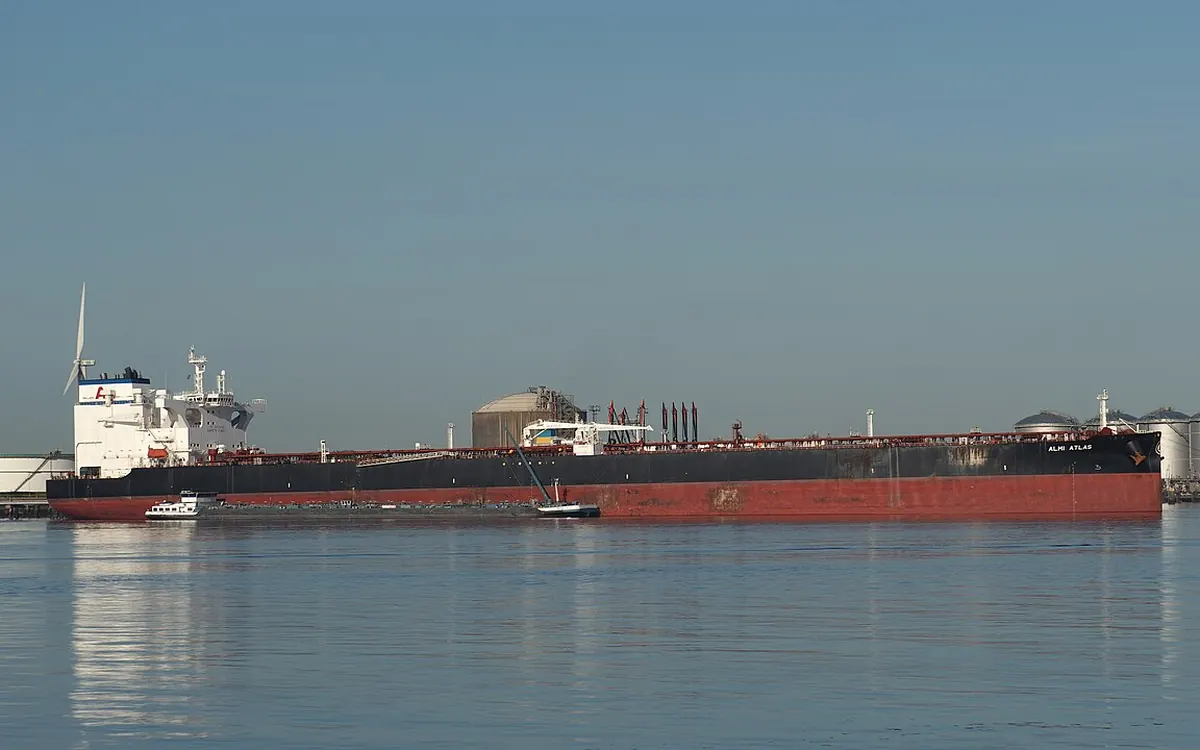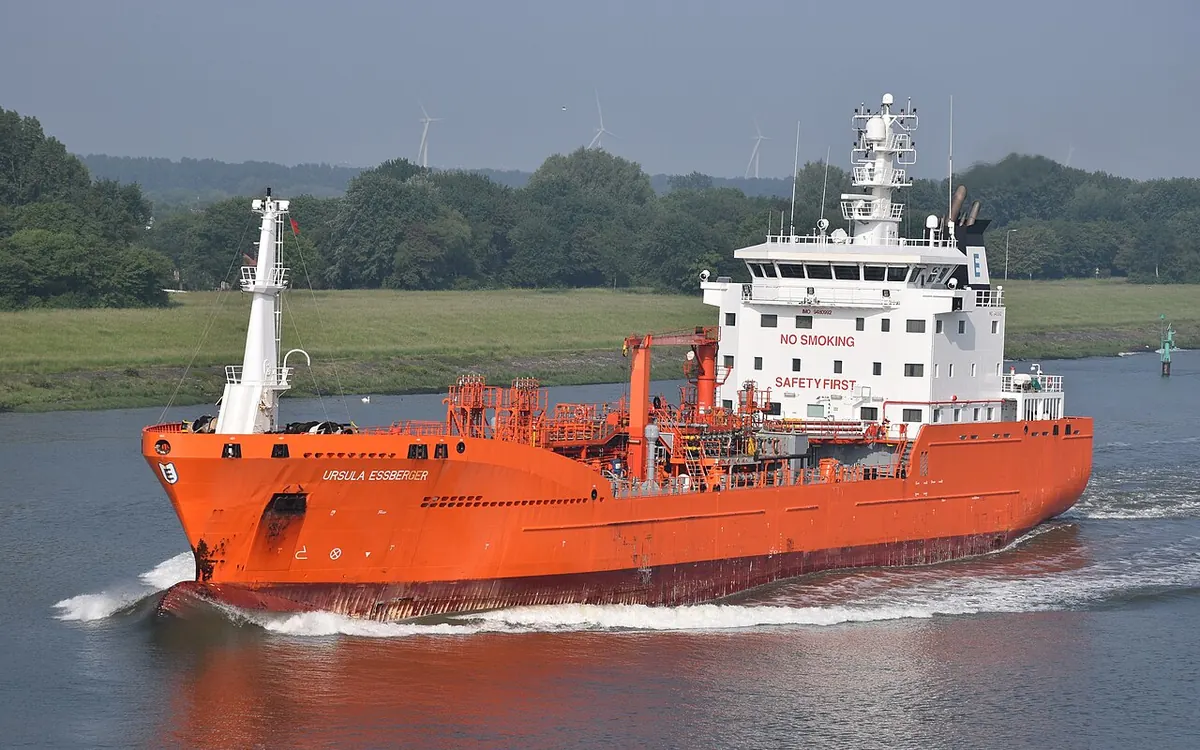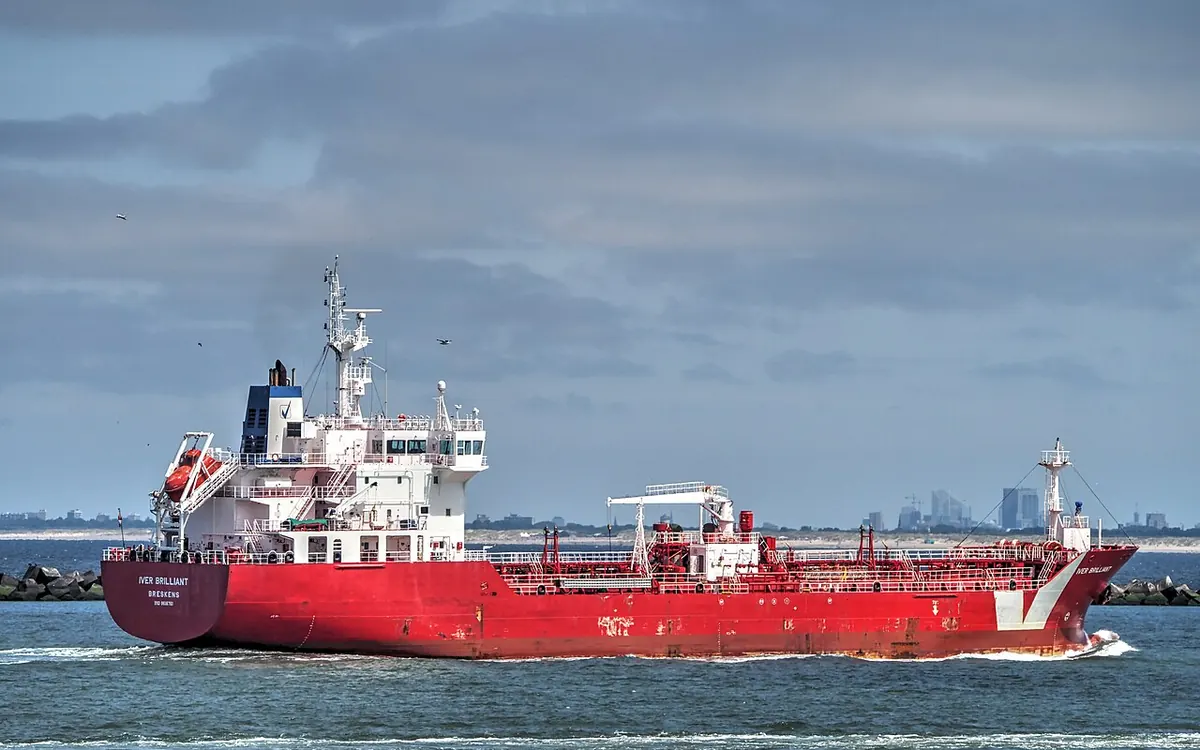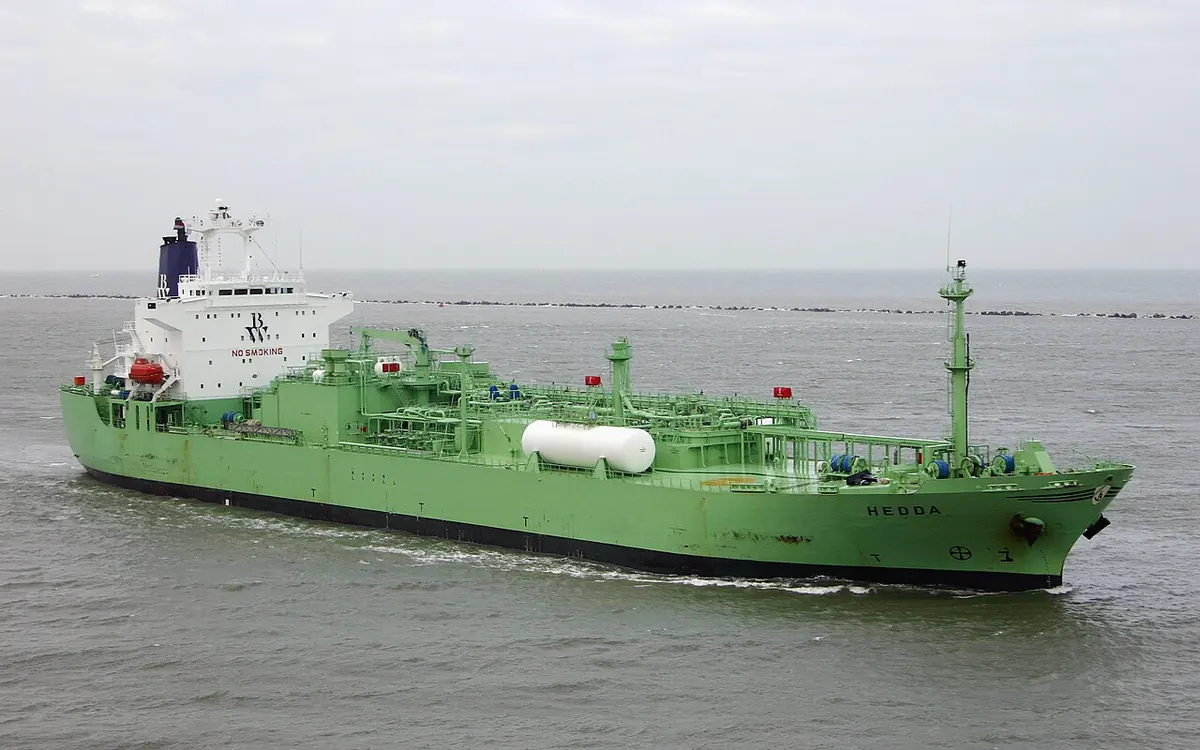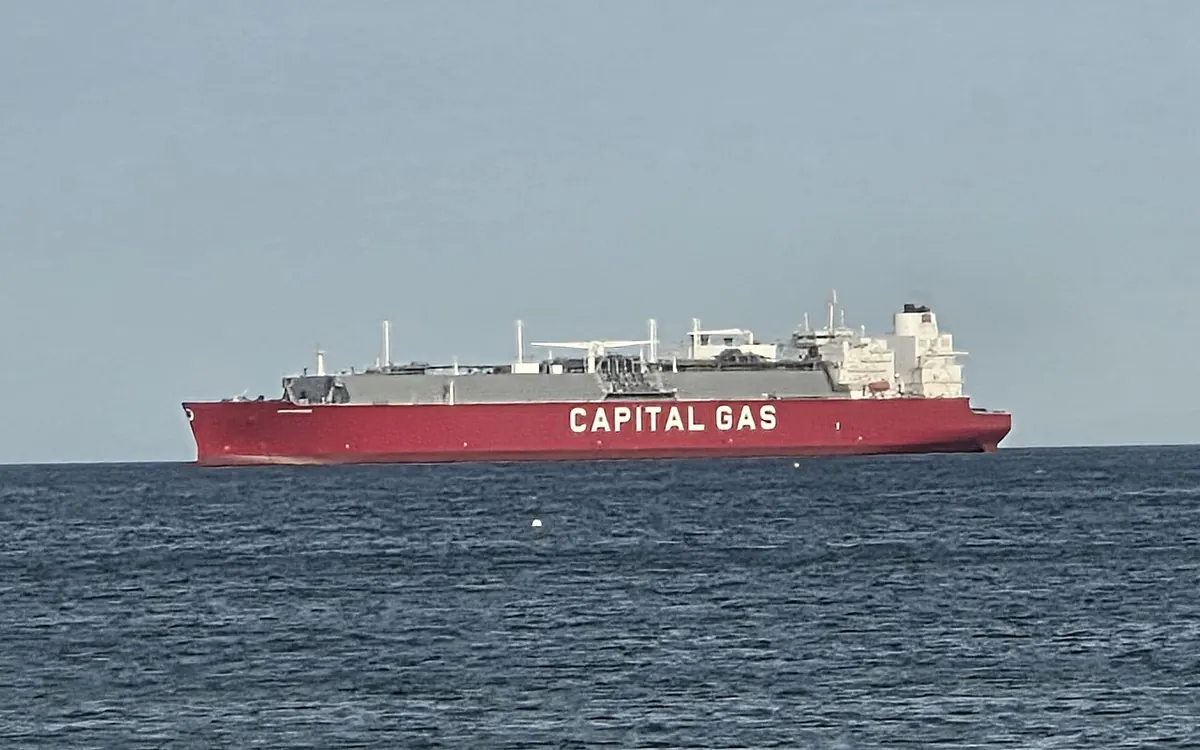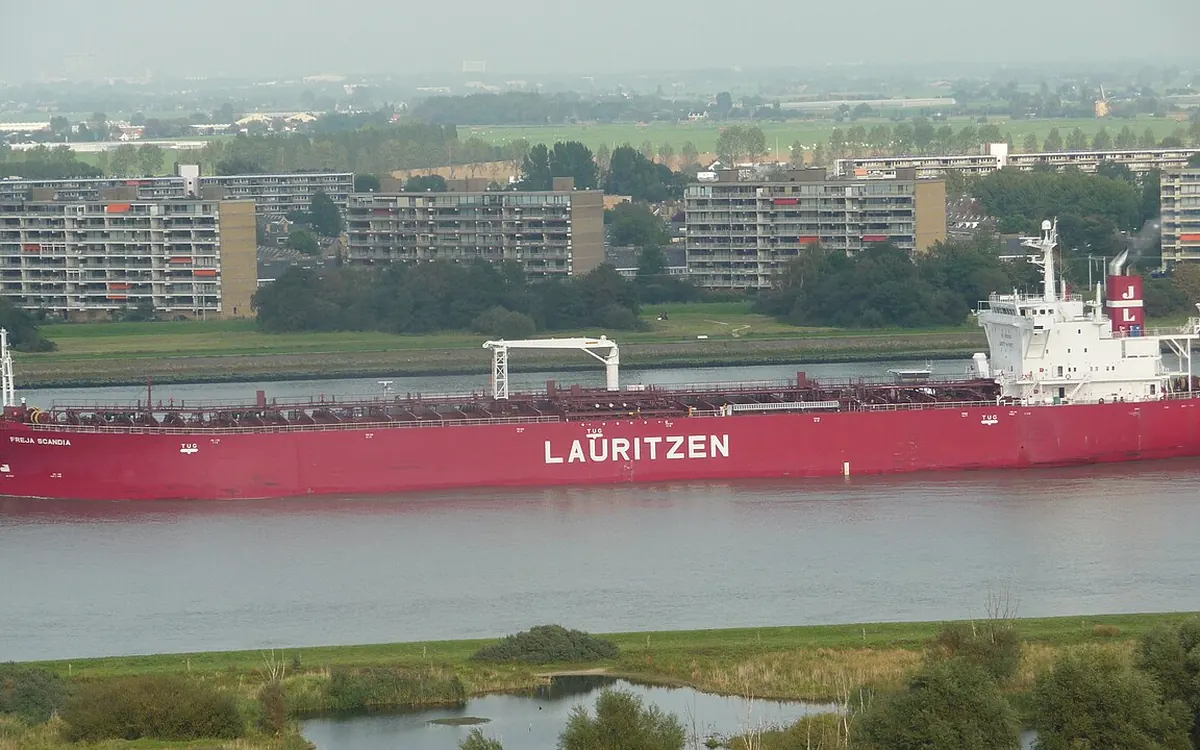
Carries refined petroleum products such as gasoline, diesel and jet fuel. Product tankers are generally much smaller than crude carriers, from well under 10,000 DWT up to about 80,000 DWT Panamax ships.
What a product tanker is
Oil tankers come in two basic types: crude tankers and product tankers. Product tankers are generally much smaller. They move refined products from refineries to points near consuming markets, while crude tankers bring unrefined oil to the refineries.
The ships range from coastal units of a few thousand tonnes to Panamax tankers of about 80,000 DWT. Most newer tankers have a double hull, with a space between the outer shell and the cargo tanks.
How cargo is loaded and handled
Cargo is pumped from shore into the tanks. The vapour in each tank is vented or returned ashore through a vapour recovery line, and ballast is shifted to keep trim. Flow starts at low pressure, holds steady, then slows for topping off. Every tanker has at least two independent methods of tank gauging.
The ship discharges with its own cargo pumps while the crew watch tank levels, the manifold and the pump room. Tanks are cleaned when the product changes or before inspection. Less viscous cargoes are washed with water, often by fixed or portable machines with high pressure jets, and a tank must be made gas free before anyone enters it.
Size classes and dimensions
Shell created the AFRA scale in 1954. It first split tankers into General Purpose under 25,000 DWT, Medium Range from 25,000 to 45,000 DWT and Long Range above that, and it was rescaled as ships grew in the 1970s.
Today the AFRA classes for products are GP from 10,000 to 24,999 DWT, MR from 25,000 to 44,999 DWT, LR1 from 45,000 to 79,999 DWT and LR2 from 80,000 to 159,999 DWT. The market scale counts product tankers as 10,000 to 60,000 DWT and Panamax as 60,000 to 80,000 DWT. Tankers under 10,000 DWT mostly work near coasts and on inland waterways.
Cargo and trades
Typical cargoes are gasoline, diesel and jet fuel. In 2005 refined products made up 23.3% of the 2.42 billion tonnes of oil shipped by tanker, the rest being crude.
Product trades run from refineries to points near consuming markets. The smallest tankers, under 10,000 DWT, generally work near coasts and on inland waterways, while MR and LR ships cover the longer sea legs.
History and related ship types
Early oil moved in wooden barrels on break bulk ships, which wasted weight and space and leaked. Purpose built tankers with fixed iron tanks followed, and the steam tanker Glückauf of 1886 set the pattern for later designs by pumping oil straight into the hull.
Chemical tankers also carry clean petroleum products, and many product tankers trade alongside them. After the Exxon Valdez spill, the US Oil Pollution Act of 1990 shut single hull tank vessels of 5,000 gross tons or more out of US waters from 2010, with some exceptions for ships with a double bottom or double sides.
What a shipper should know when booking
Tankers are hired by voyage charter, time charter, bareboat charter or contract of affreightment. A COA fixes a total volume over a period in set lot sizes, for example 1 million barrels in a year in 25,000 barrel shipments.
Freight is set as a lump sum, a rate per tonne, a daily time charter equivalent or a percentage of Worldscale. Under a lump sum the owner pays port costs and voyage expenses, while under rate per tonne and time charter terms the charterer usually pays them. Tell the owner the previous cargo matters: tank cleaning between products takes time.
Variants
Size classes
All size classes and canal limits
Questions shippers ask
What is the difference between MR and LR tankers?
They are AFRA size classes. MR covers 25,000 to 44,999 DWT, LR1 45,000 to 79,999 DWT and LR2 80,000 to 159,999 DWT.
Can a product tanker carry crude oil?
Product tankers are designed for refined products. Crude usually moves on larger crude tankers that run from oil fields to refineries.
Who pays port costs on a tanker charter?
Under a lump sum rate the owner pays port and voyage costs. Under rate per tonne and time charter terms the charterer generally pays them.
Why does the last cargo matter?
Tanks must be cleaned when the product changes, and a new cargo can be contaminated by residues, so the owner plans cleaning around the previous grade.