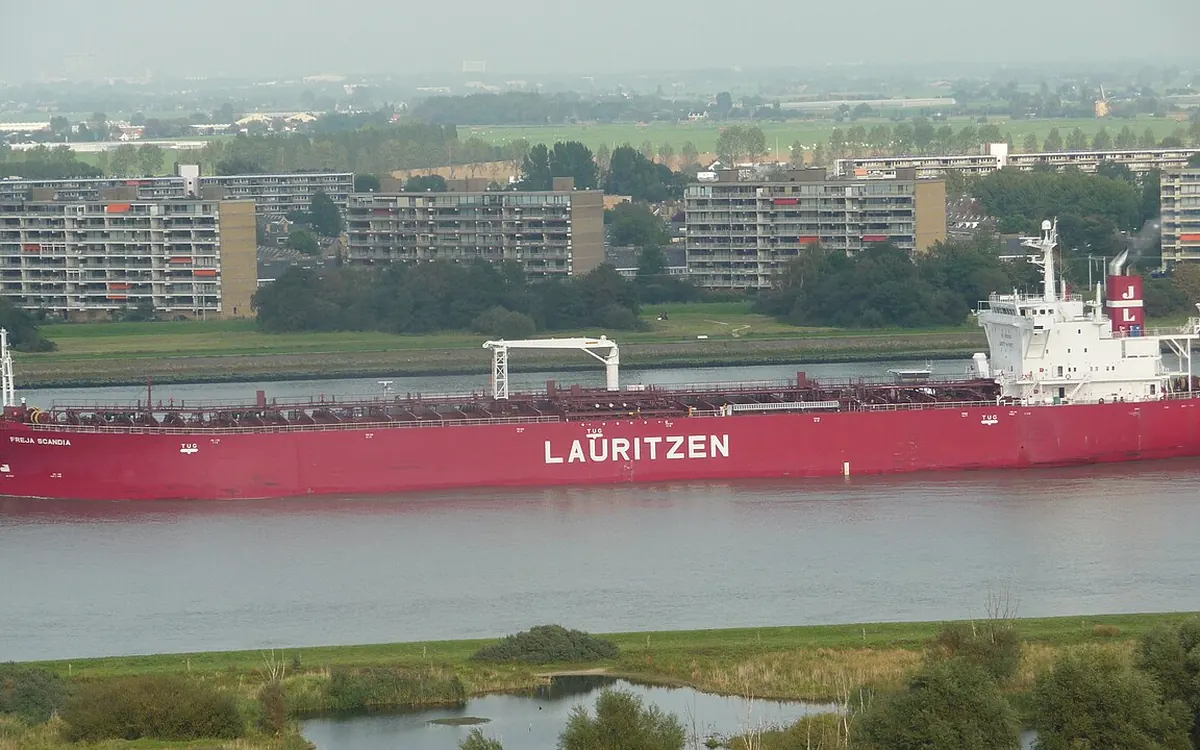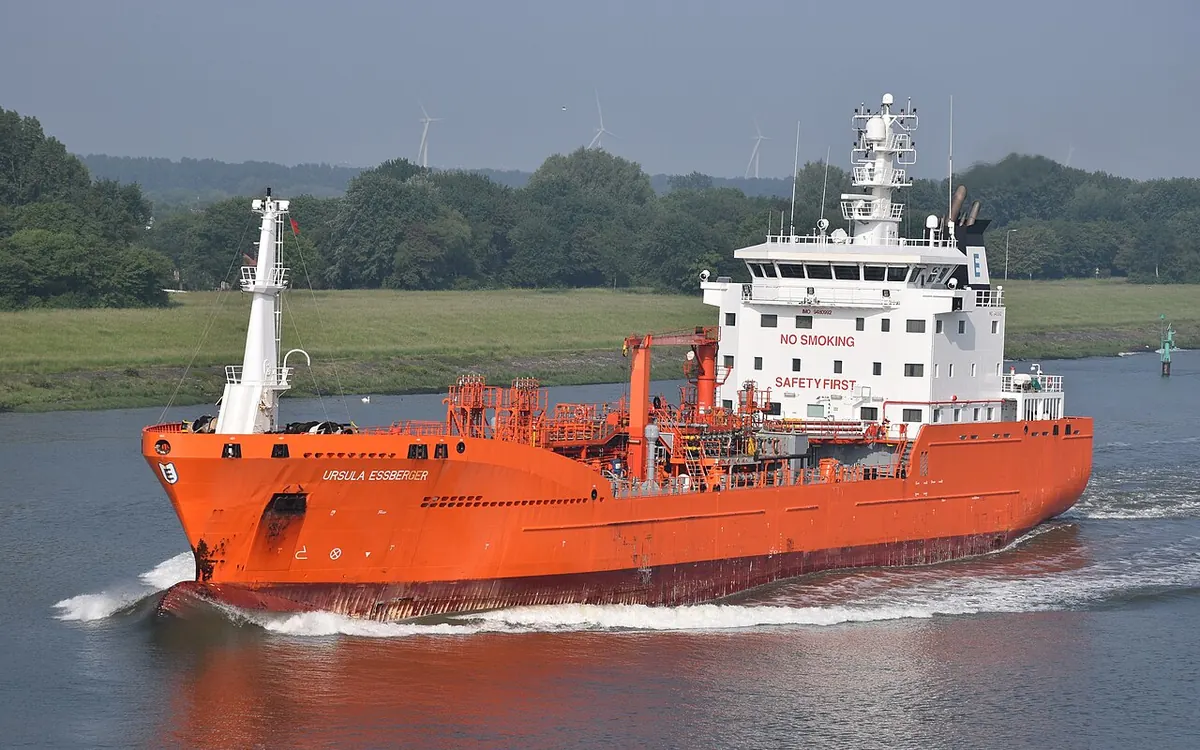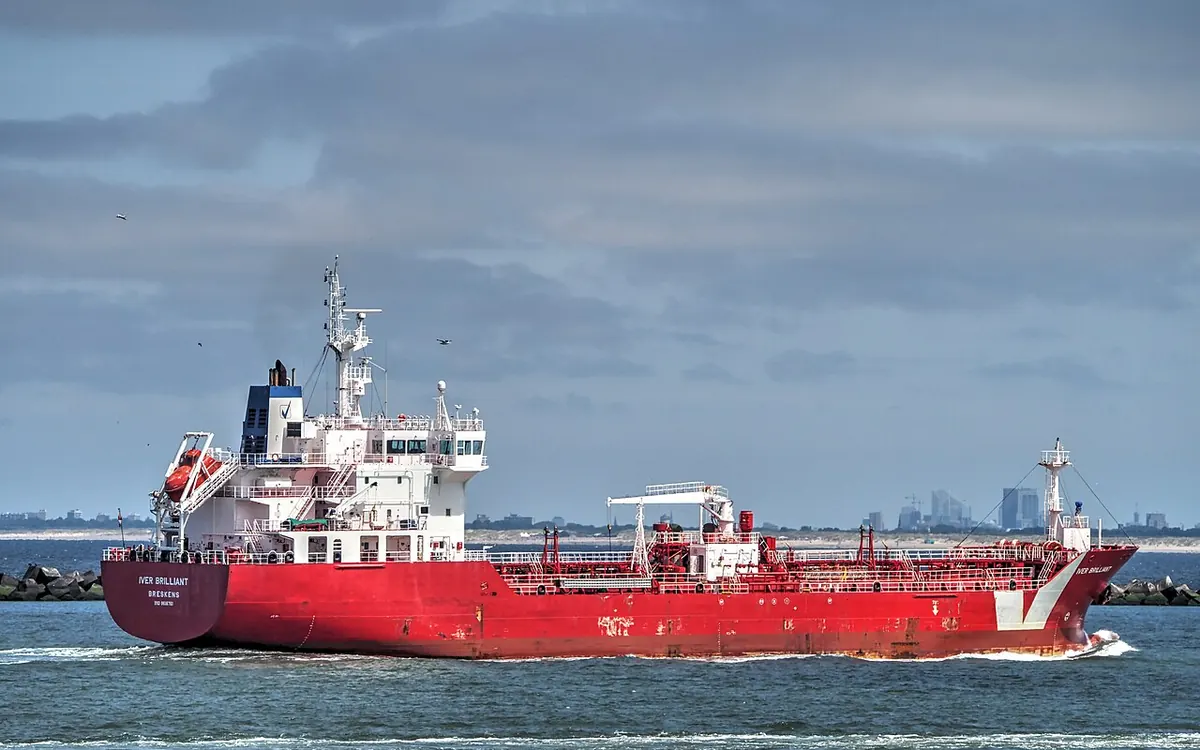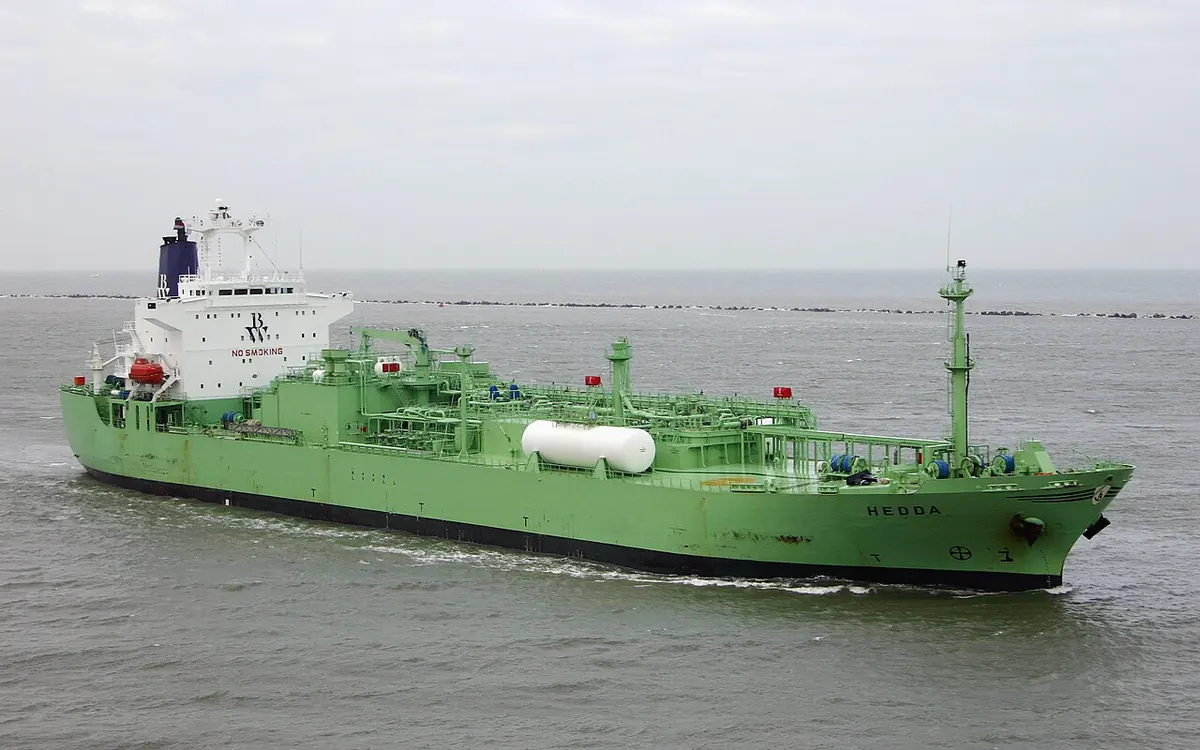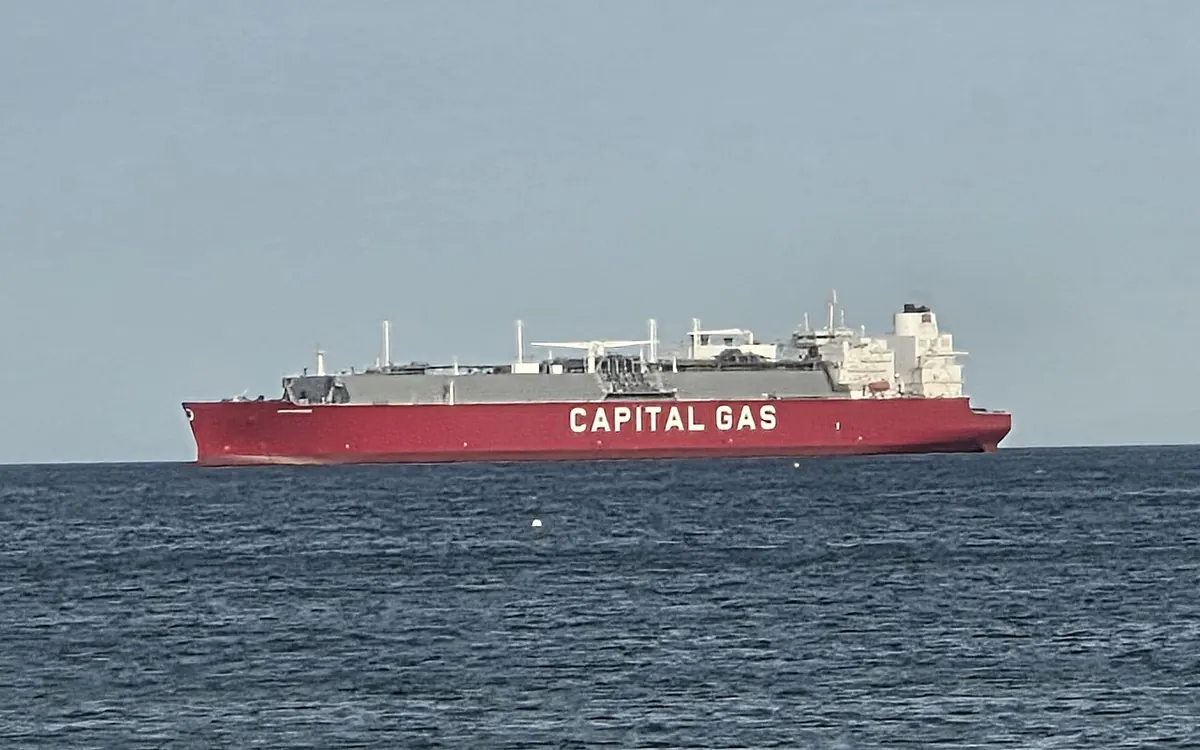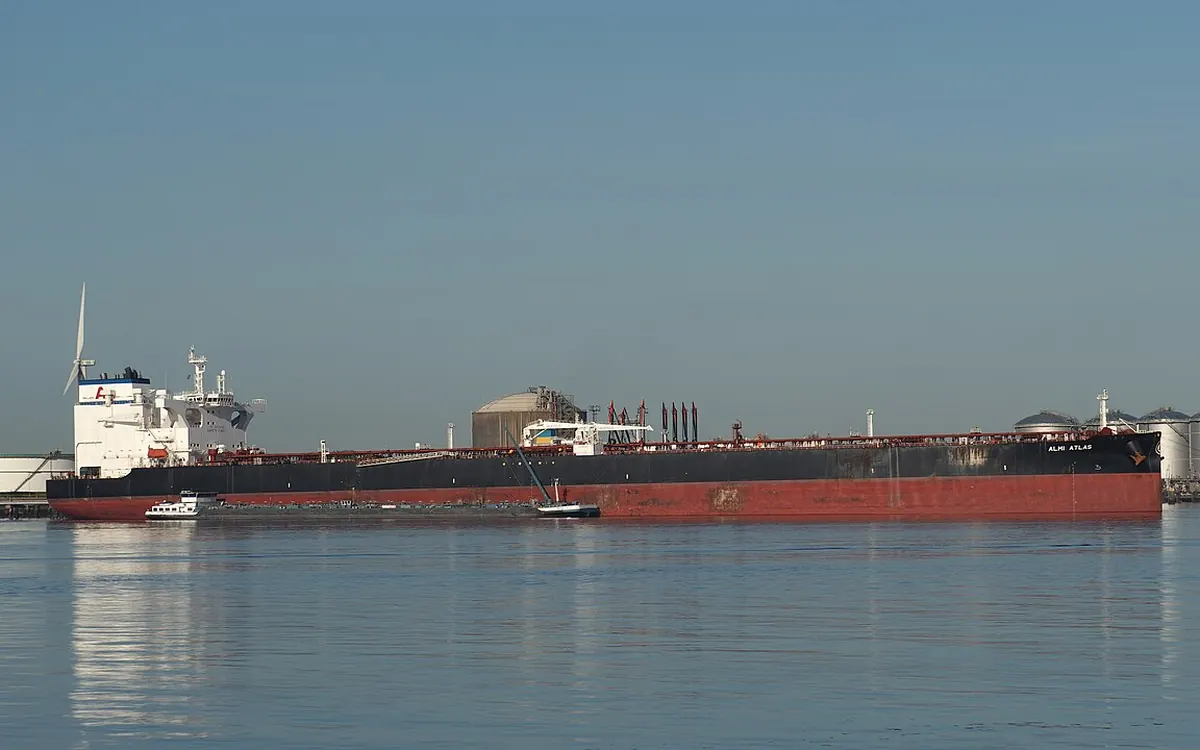
Moves large quantities of unrefined crude oil from where it is produced to refineries. Crude tankers are the largest tankers afloat: a VLCC carries about 2 million barrels.
What a crude oil tanker is
An oil tanker is a ship built for the bulk transport of oil or its products. There are two basic types: crude tankers and product tankers. Crude tankers move large quantities of unrefined crude oil from the point of extraction to refineries, and they are the largest tankers afloat.
The cargo is carried in fixed tanks inside the hull. Most newer tankers are double hulled, with an empty space between the outer hull and the cargo tanks. Tankers move about 2 billion tonnes of oil a year, and they are second only to pipelines in transport efficiency.
How crude is loaded and discharged
Loading is done by pumping from shore into the tanks. As the oil goes in, the vapour inside the tank is either released to the air or sent back ashore through a vapour recovery line, and ballast water is moved to keep the ship in trim. Pumping starts slowly, then holds a steady pressure until topping off, the most dangerous phase. Every tanker has at least two independent ways to gauge its tanks.
Discharge uses the ship's own cargo pumps. Before any transfer, the chief officer writes a transfer plan and the ship and terminal hold a pretransfer conference and complete a safety checklist. On most crude tankers a crude oil washing (COW) system circulates part of the cargo through fixed cleaning machines to remove wax and asphaltic deposits.
Size classes and dimensions
Crude tankers range from about 55,000 DWT Panamax ships to ultra large crude carriers of over 440,000 DWT. On the AFRA scale, LR2 covers 80,000 to 159,999 DWT, VLCC 160,000 to 319,999 DWT and ULCC 320,000 to 549,999 DWT. The market scale uses Aframax at 80,000 to 120,000 DWT, Suezmax at 120,000 to 200,000 DWT and VLCC at 200,000 to 320,000 DWT.
A typical Suezmax is about 160,000 DWT with a beam of about 48 m. It is limited by the Suez Canal to a draft of 20.1 m and an air draft of 68 m. An Aframax carries about 600,000 barrels. VLCCs and ULCCs above 250,000 DWT carry about 2 million barrels, or 318,000 tonnes.
Cargo, trades and routes
In 2005, 2.42 billion tonnes of oil were shipped by tanker, and 76.7% of it was crude. Aframax tankers can serve most ports in the world. They work short to medium hauls in the Black Sea, North Sea, Caribbean, South and East China Seas and the Mediterranean, where ports are too small for larger ships.
Supertankers often cannot enter port fully loaded. They load at offshore platforms and single point moorings, and at the other end they often discharge part of the cargo to smaller tankers at lightering points offshore. Their routes are long, often around seventy days at sea.
History and notable ships
Oil once travelled in 40 gallon wooden barrels, and the empty barrel alone was 20% of the weight of a full one. The steam tanker Glückauf of 1886 is often called the first modern oil tanker, because oil was pumped straight into the hull. Until 1956, tankers were sized for the Suez Canal. The canal closure in the Suez Crisis sent oil around the Cape of Good Hope and pushed owners towards much bigger ships.
The largest ever was Seawise Giant, built in 1979: 564,763 DWT, 458.45 m long, 24.611 m draft and 46 tanks. No new ULCC has been built since the early 2000s, and the last four, the TI class, now serve as floating storage units.
What a shipper should know when booking
Tankers are hired on a voyage charter, a time charter, a bareboat charter or a contract of affreightment for a set volume over a period. Freight is agreed as a lump sum, a rate per tonne, a time charter equivalent per day, or as a percentage of Worldscale, where WS 100 is the baseline rate for a route.
Check the draft and the size limits of both terminals, because a fully laden VLCC may need lightering or an offshore mooring. Since the Oil Pollution Act of 1990, single hull tankers of 5,000 gross tons or more have been excluded from US waters, so hull type matters for some trades.
Variants
Size classes
All size classes and canal limits
Questions shippers ask
How much oil does a VLCC carry?
About 2 million barrels, or roughly 318,000 tonnes. An Aframax carries about 600,000 barrels.
Why are Aframax tankers so common?
Their size lets them call at most ports in the world, including regions without the deep terminals that VLCCs need.
What is Worldscale?
A freight scale published by the Worldscale Associations of London and New York. WS 100 is the baseline rate for a route, and deals are fixed as a percentage of it, such as WS 85.
Can a VLCC go straight into port?
Often not when fully loaded. Many load at offshore moorings and discharge part of the cargo to smaller tankers at lightering points.