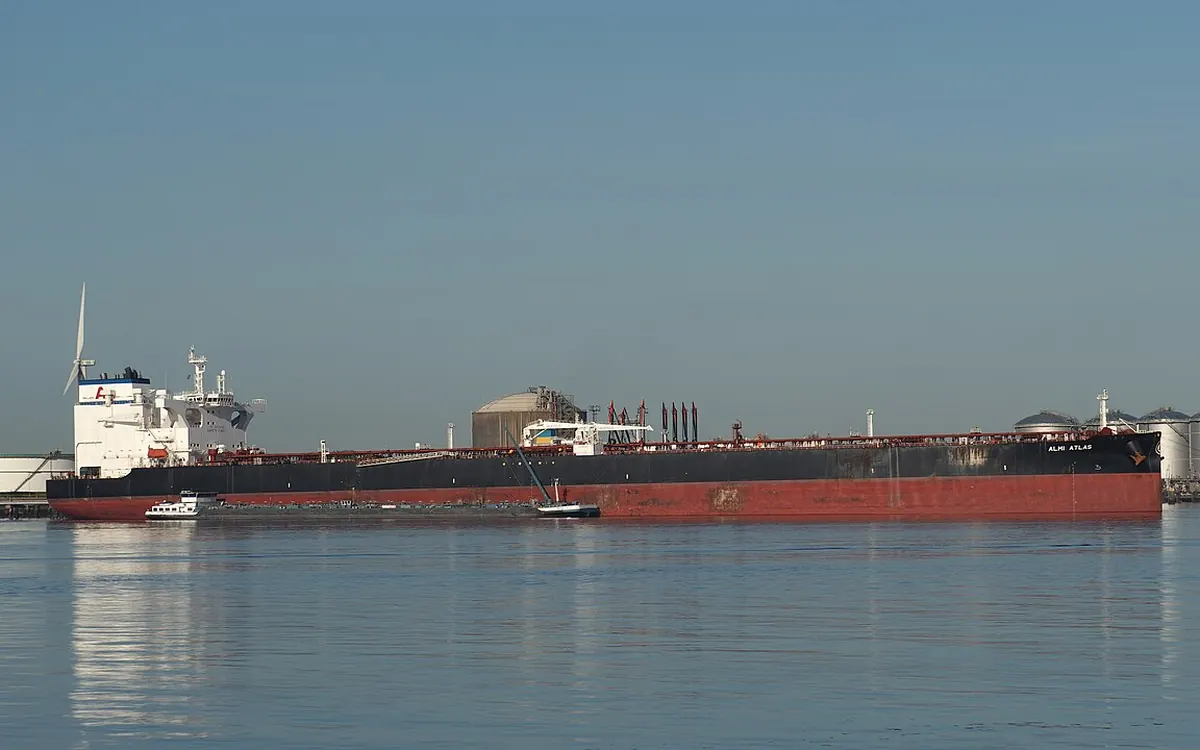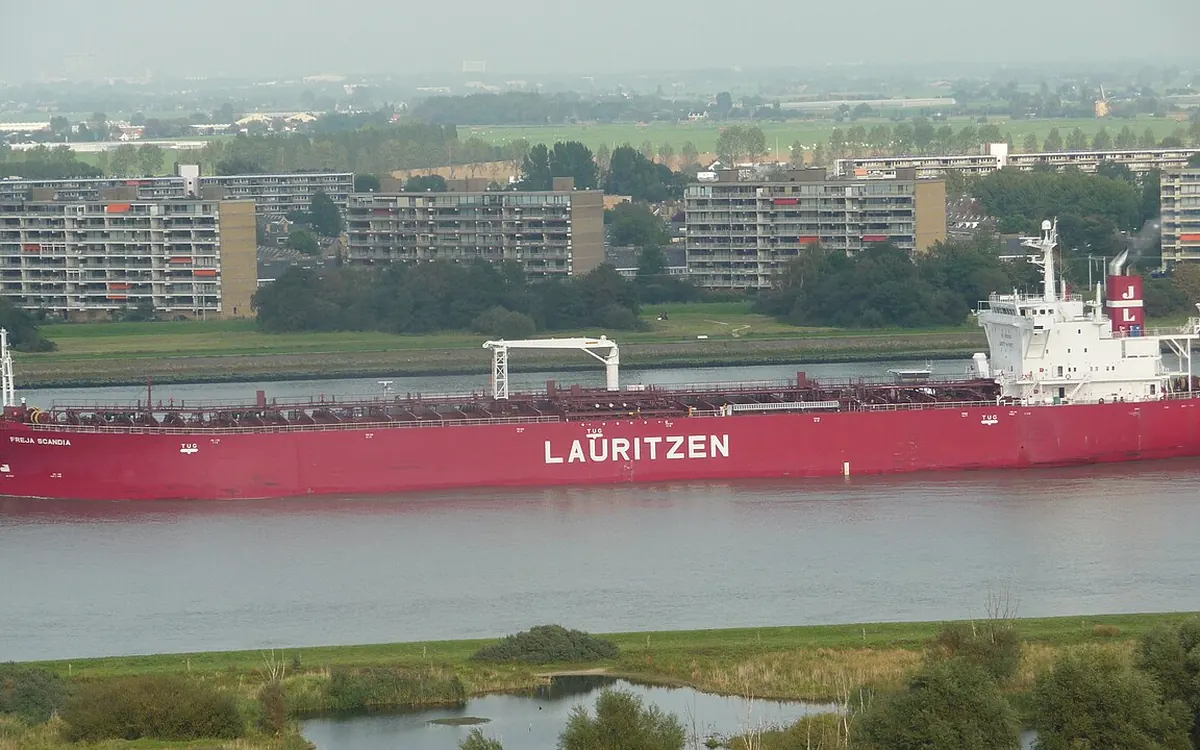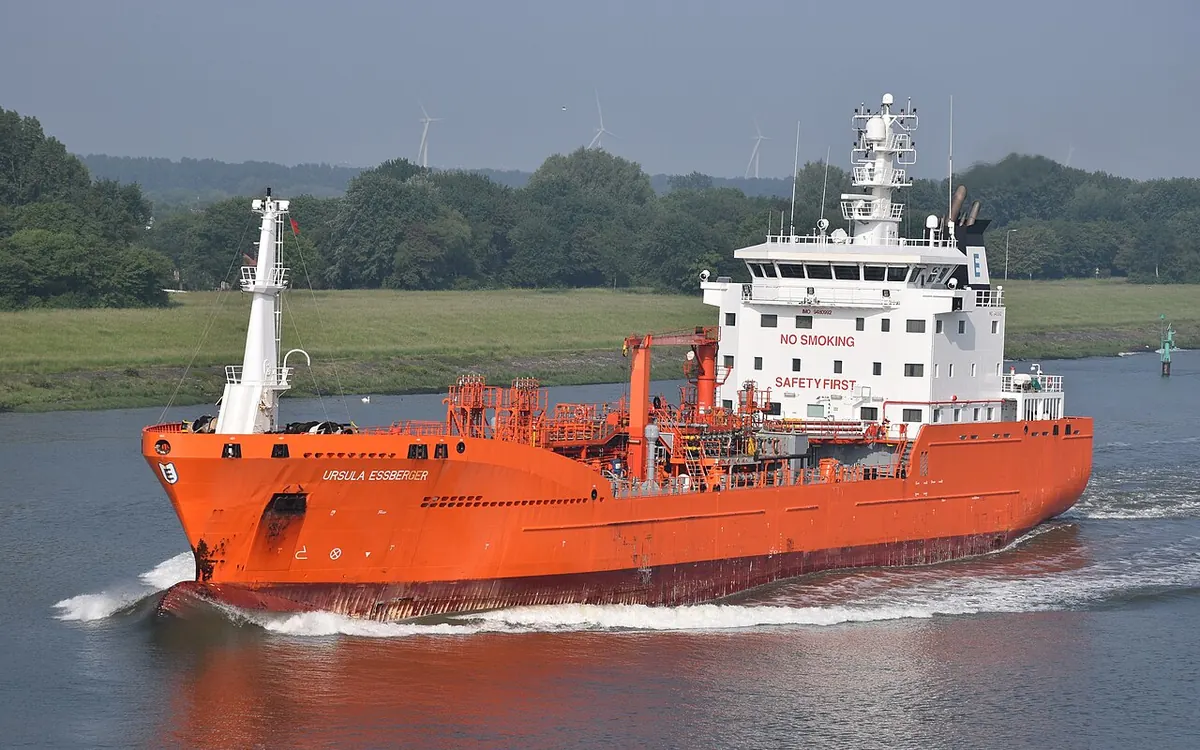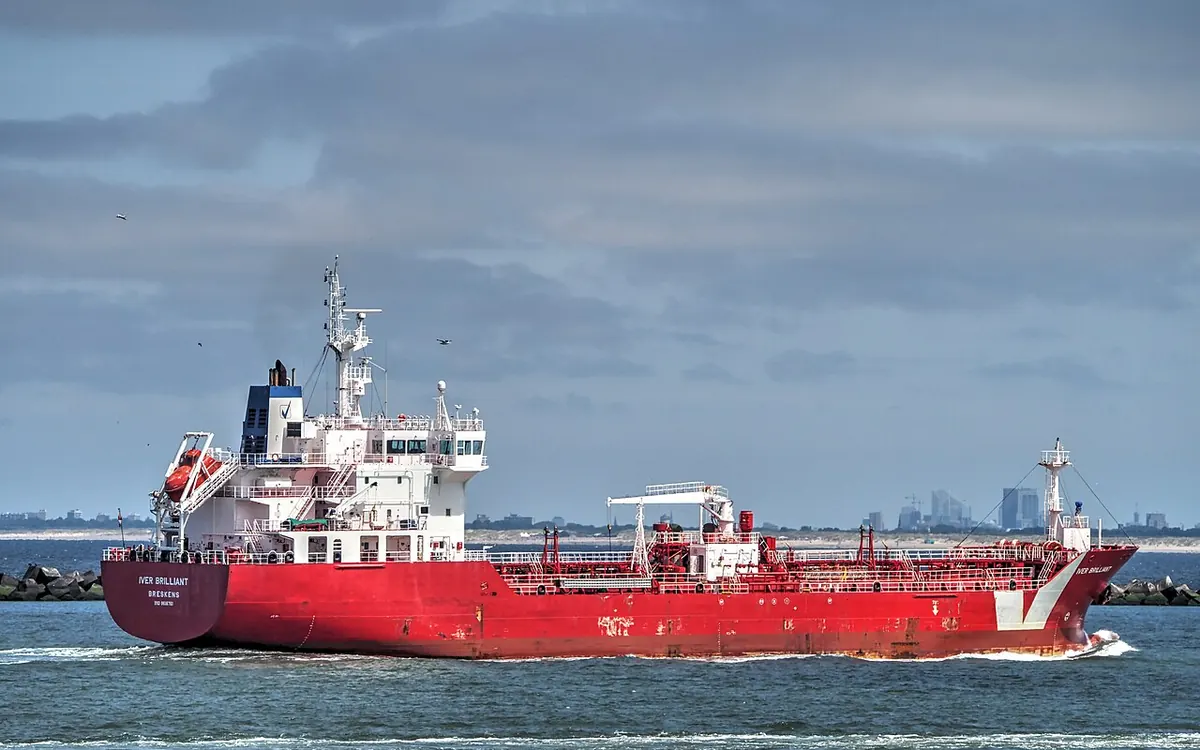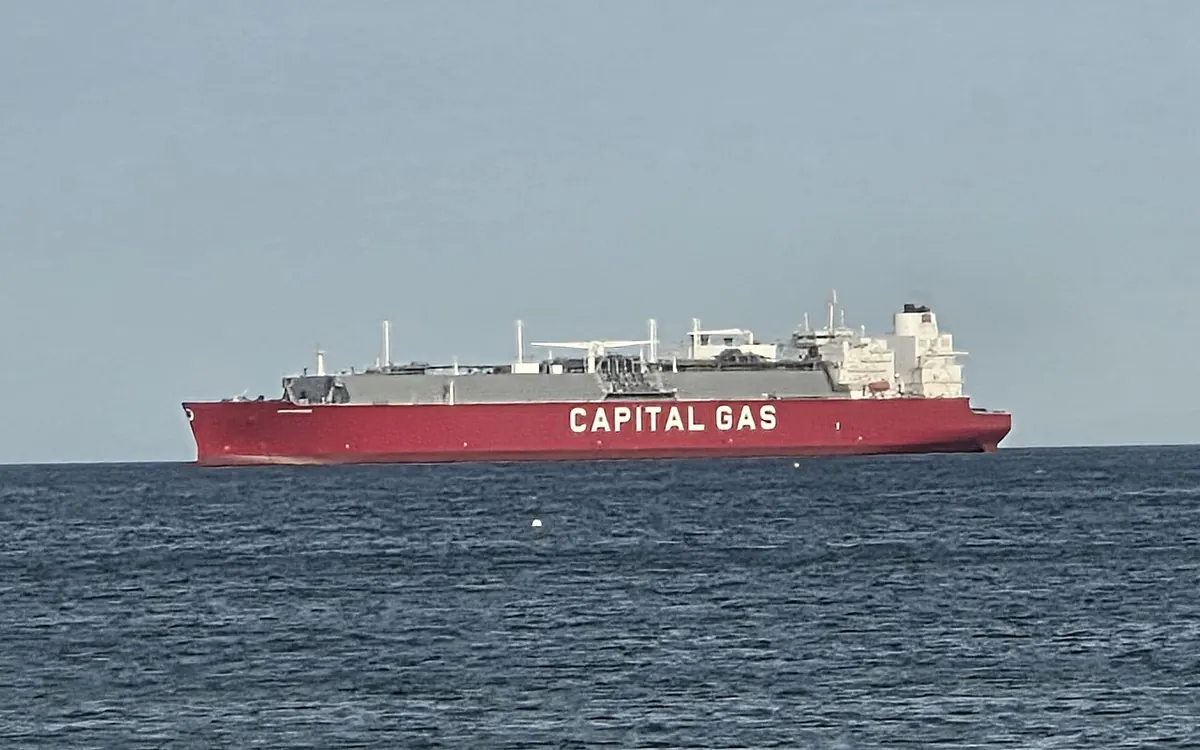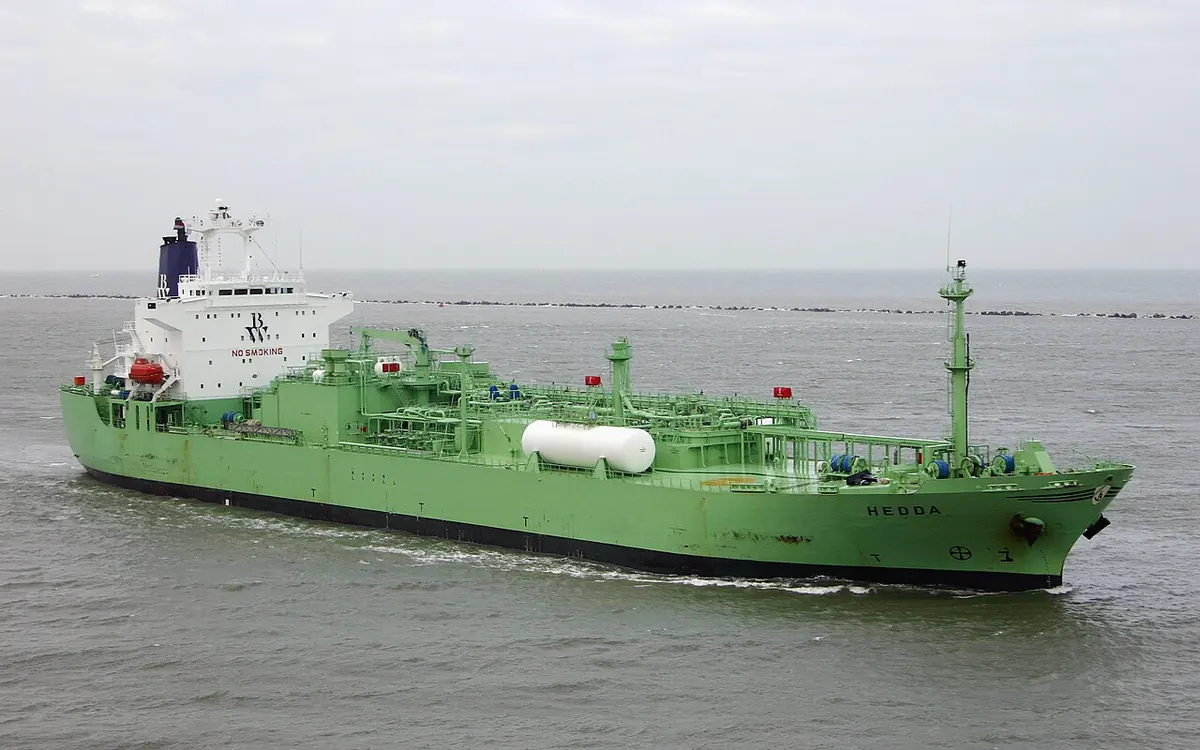
Liquefied petroleum gas is kept liquid by pressure, by cooling, or both. Most oceangoing fully pressurised LPG ships have 3 to 5 spherical or cylindrical tanks.
What an LPG carrier is
A gas carrier is a ship designed to transport LPG, LNG or liquefied chemical gases in bulk. The gas is kept liquid on board, so most gas carriers have refrigeration plants. Ships trading internationally are built to the International Code for the Construction and Equipment of Ships Carrying Liquefied Gases in Bulk, issued by the IMO.
LPG is odourless and non toxic, has a high calorific value and contains little sulphur, which makes it a clean fuel. Carriers are grouped by how they keep the cargo liquid: fully pressurised, semi pressurised, fully refrigerated, plus ethylene carriers.
Tanks and cargo handling
Fully pressurised ships carry LPG in 3 to 5 spherical or cylindrical pressure tanks. Semi pressurised ships use cylindrical, spherical or bi lobe tanks and carry propane at about 8.5 kg/cm² and -10 °C. They can load or discharge at both refrigerated and pressurised terminals.
Fully refrigerated ships carry gas at low temperature and atmospheric pressure in prismatic tanks, which make the best use of the hull. Most use independent tanks with rigid polyurethane foam insulation, while older ships may have loose perlite. With a booster pump and a cargo heater they can also discharge into pressurised tanks ashore.
Sizes and dimensions
Most fully pressurised oceangoing LPG carriers typically hold 20,000 to 90,000 m³ and are 140 to 229 m long. Fully refrigerated ships range from 20,000 to 100,000 m³.
Fully refrigerated LPG carriers of 50,000 to 80,000 m³ are called VLGCs, Very Large Gas Carriers. LNG carriers are often larger by volume, but the term is normally used only for refrigerated LPG ships. Capacity of gas carriers is quoted in cubic metres, not deadweight.
Cargo and trades
The main cargoes are LPG, meaning propane and butane, plus ammonia and vinyl chloride, which fully refrigerated ships carry in large volumes over long distances. Ethylene carriers also take ethylene and most other liquefied gases.
Fully pressurised ships are still built in numbers. They are a simple, cost effective way to move LPG to and from small gas terminals. The large refrigerated ships work long routes between big export and import terminals, and most of them were built in Japan and Korea.
History and variants
Sea transport of liquefied gas began in 1934, when two combined oil and LPG tankers entered service. They were oil tankers fitted with small riveted pressure vessels, used to carry a refinery by product over long distances. The first purpose built fully refrigerated LPG tanker was the Rasmus Tholstrup, built in Sweden to a Danish design.
LEG carriers are the most advanced gas tankers. Their insulated stainless steel cylindrical tanks carry ethylene at its boiling point of -104 °C and cargoes up to specific gravity 1.8, from -104 °C to +80 °C at up to 4 bar.
What a shipper should know when booking
Match the ship to both terminals. A fully refrigerated ship suits large refrigerated terminals, a pressurised ship suits small pressurised ones, and a semi pressurised ship can serve both. Check the cargo temperature and pressure your terminal can accept.
State the exact gas and its specification, since ammonia, vinyl chloride and ethylene need suitable tanks and materials. Ask about the previous cargo and cooling down. New LPG carriers are usually dual fuel and can run on diesel or LPG.
Variants
Size classes
All size classes and canal limits
Questions shippers ask
What is a VLGC?
A Very Large Gas Carrier, a fully refrigerated LPG ship of 50,000 to 80,000 m³.
How is LPG kept liquid on a ship?
By pressure in pressure tanks, by cooling to its boiling point in insulated tanks, or by a mix of both in semi pressurised ships.
Can an LPG carrier carry ammonia?
Yes. Fully refrigerated ships commonly carry ammonia and vinyl chloride as well as LPG.
Which ship suits a small terminal?
Fully pressurised ships are a simple, cost effective way to serve smaller pressurised gas terminals.