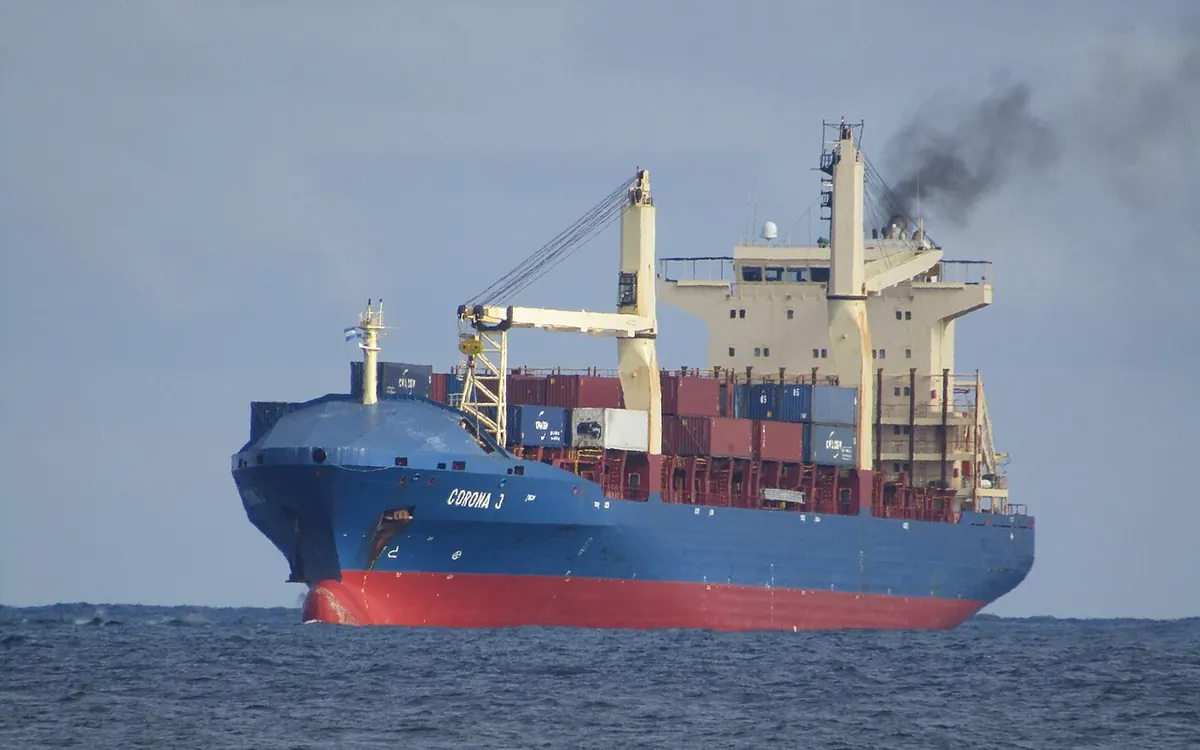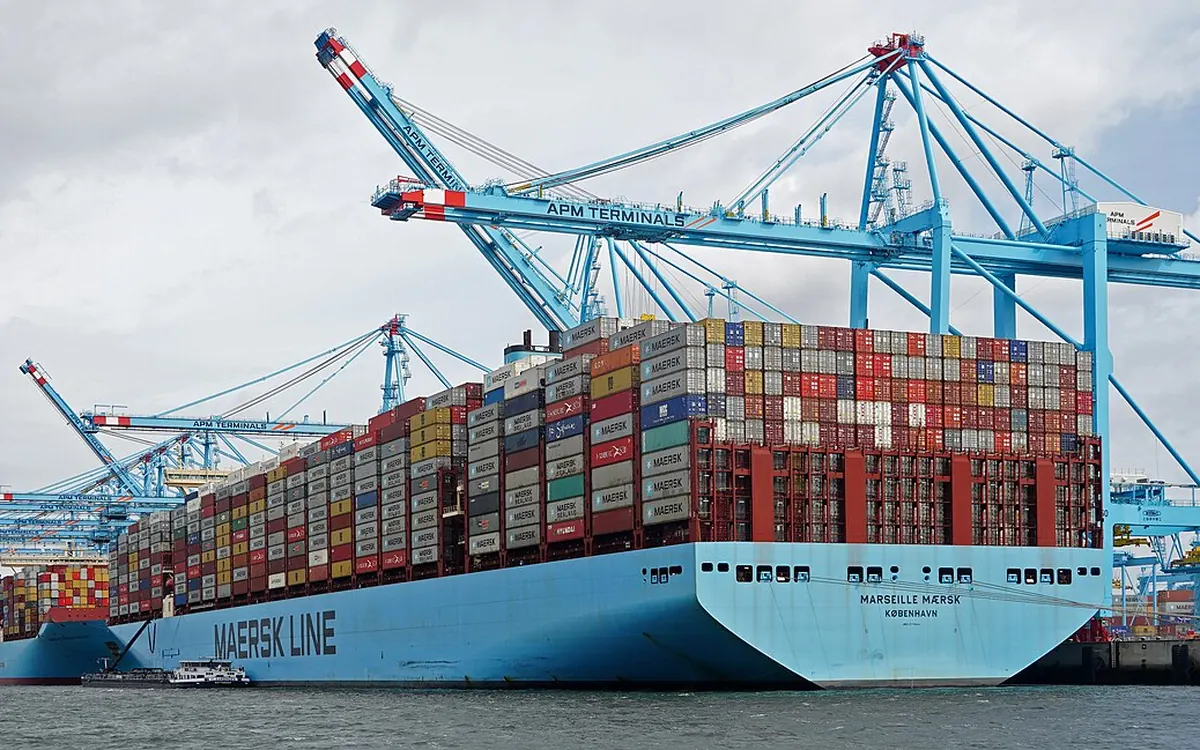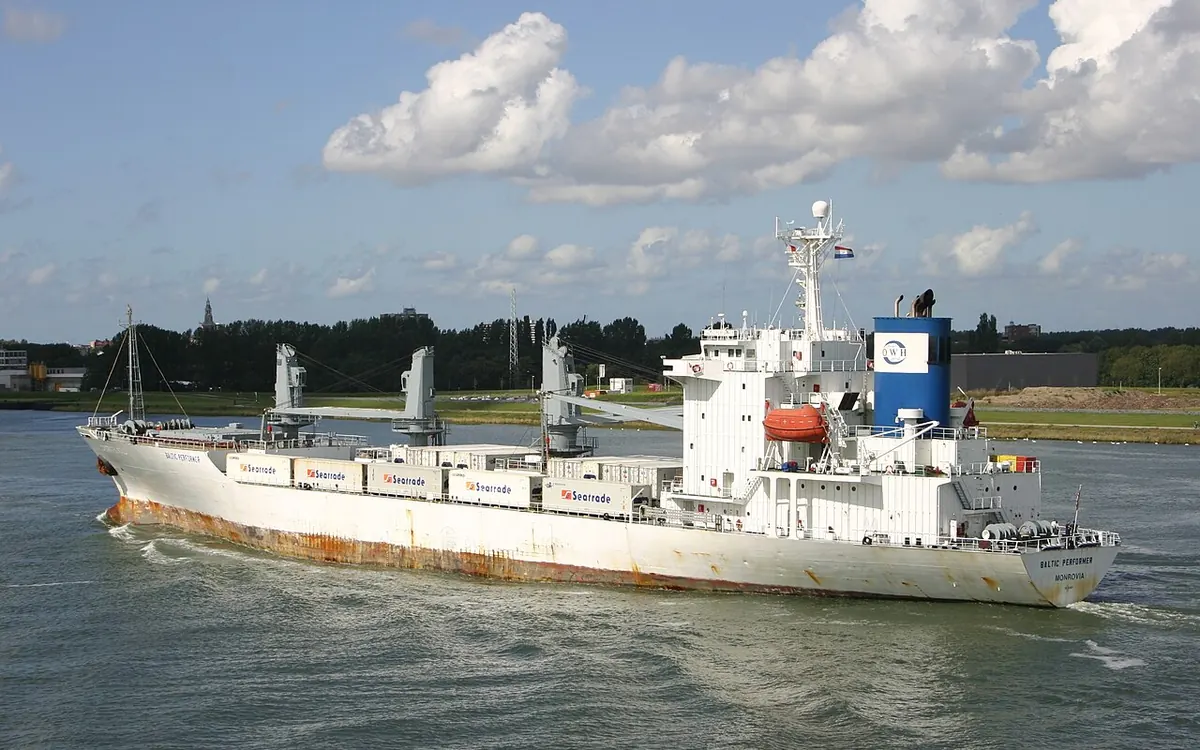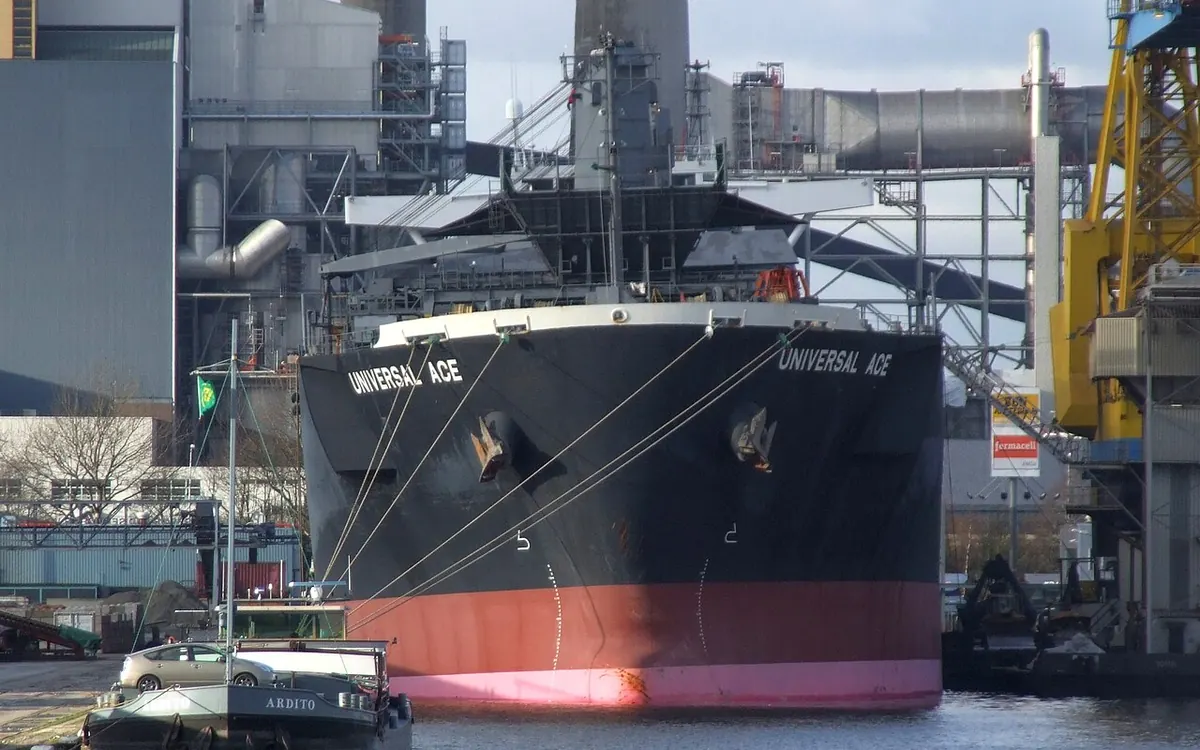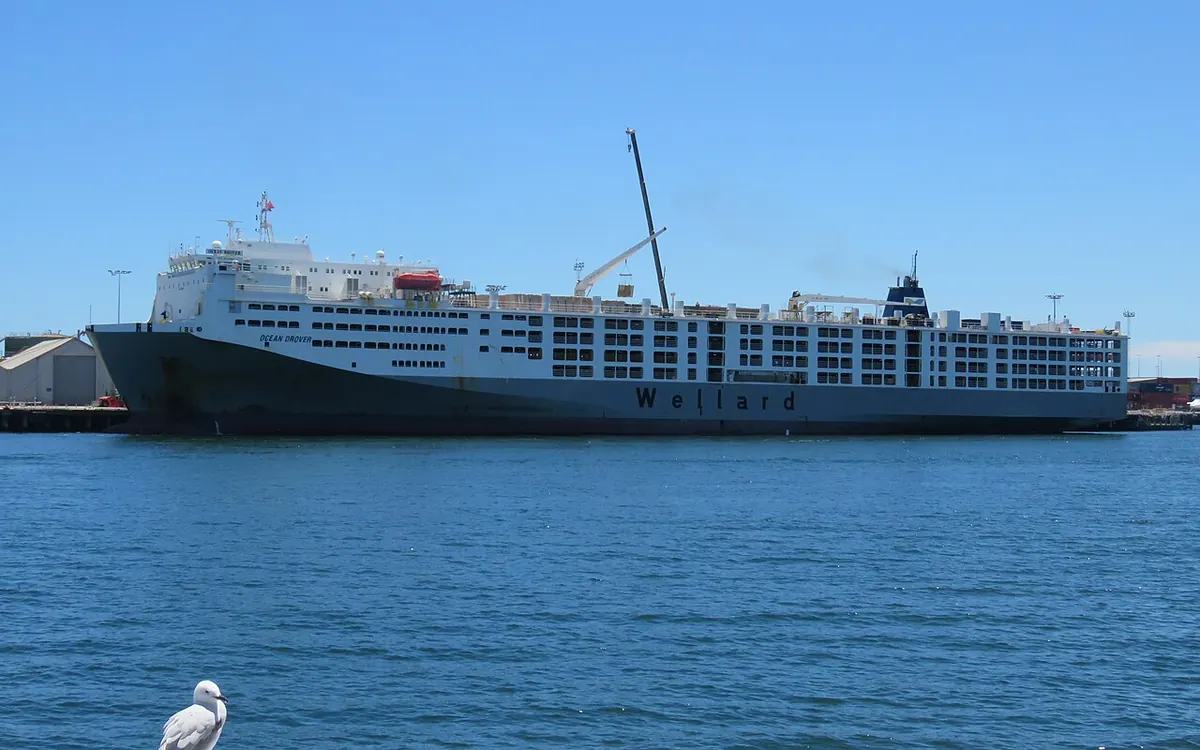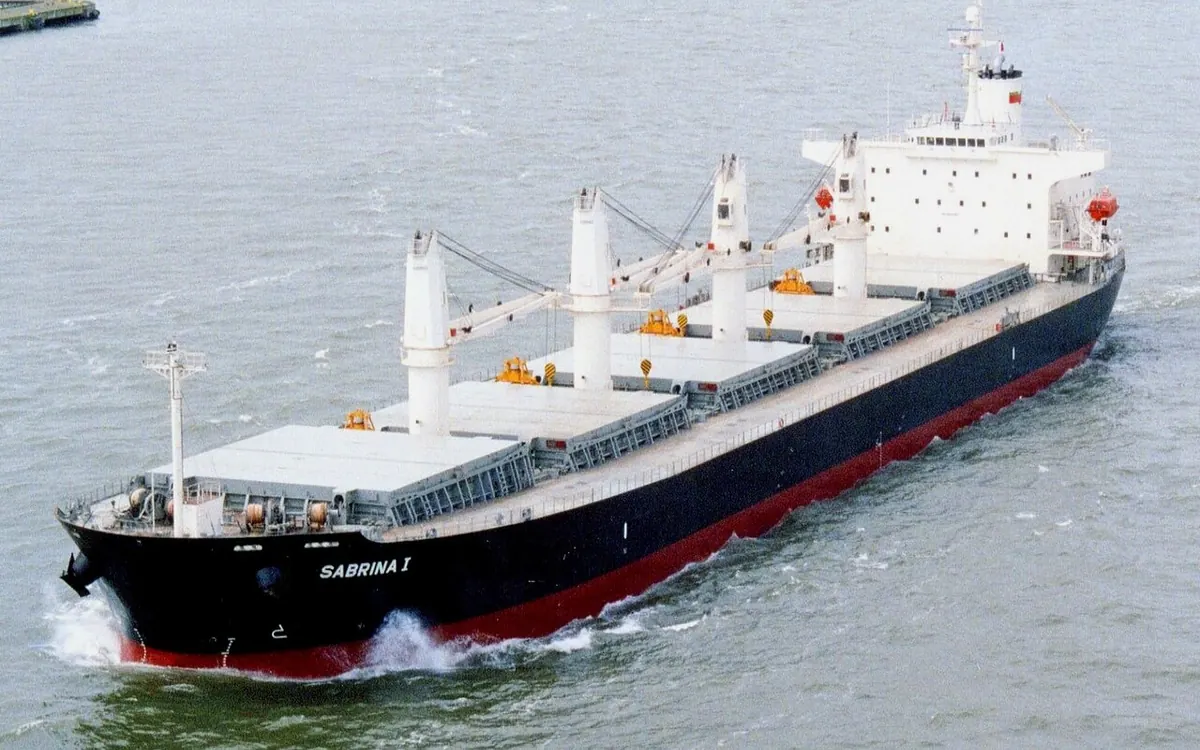
Single-deck ship with large hatches for unpackaged dry cargo in volume. Small classes are geared, Capesize and larger need shore loaders. The largest ore carriers reach 400,000 DWT.
What a bulk carrier is
A bulk carrier, or bulker, is a merchant ship built to carry unpackaged bulk cargo in its holds: typically grain, coal, ore, forest products, steel coils or cement. Bulk carriers make up 21 percent of the world's merchant fleets.
They range from single-hold mini-bulk carriers to ore ships of 400,000 DWT. South Korea is the largest single builder, and 82 percent of these ships were built in Asia. Crews range from three people on the smallest ships to over 30 on the largest.
How cargo is loaded and discharged
Every bulk carrier has a series of holds under prominent hatch covers. Geared ships carry cranes, derricks or conveyors and can work ports without shore equipment. Gearless ships depend on shore loaders and unloaders, which saves the cost of installing and maintaining cranes.
Conveyor belts load at standard rates of 100 to 700 tons per hour, and the most advanced ports reach 16,000 tons per hour. A crane's discharge rate is limited by its grab, which holds 6 to 40 tons. Self-dischargers use their own conveyor belts or an excavator running over the hatches to unload quickly.
Size classes and dimensions
Bulk carriers fall into six size categories: small, Handysize, Handymax, Panamax, Capesize and very large. Typical ranges are 10,000 to 35,000 DWT for Handysize, 35,000 to 59,000 DWT for Handymax, 60,000 to 80,000 DWT for Panamax and 80,000 DWT and over for Capesize. Very large ore carriers start above 200,000 DWT.
Handymax ships are typically 150 to 200 m long with five holds and four cranes. Panamax size follows the old canal locks: 32.31 m beam, 294.13 m length and 12.04 m draft. Port limits create regional classes such as Kamsarmax (229 m), Newcastlemax (about 185,000 DWT) and Seawaymax (226 m, 7.92 m draft).
Cargo and trades
Handysize and Handymax ships are general purpose and together make up 71% of bulk carriers over 10,000 DWT. They carry grain, fertiliser, cement, steel coils and forest products, often into ports with limited equipment.
Capesize ships are specialised: 93% of their cargo is iron ore and coal. They are too large for the Panama Canal, but the deepening of the Suez Canal to 20 m lets most of them pass. Mini-bulk carriers of 500 to 2,500 tons serve rivers and pass under bridges.
Variants and recent developments
Besides geared, gearless and self-discharging ships, there are combined carriers for liquid and dry bulk, common in the 1970s but rare since 1990, and Great Lakes freighters with a forward house for transiting locks.
In October 2022, the MOL bulk carrier Shofu Maru arrived in Newcastle on its maiden voyage as the first bulk carrier partly powered by a hard sail, with a five percent fuel saving expected. Larger bulkers from Handymax up usually run a single low-speed two-stroke diesel.
What to know when booking
Bulk freight is usually quoted per tonne on a voyage basis, but some shippers charter a whole ship and pay a daily rate instead. Match the size class to your lot and to the draft and length limits of both ports.
Ask whether the ship is geared if the discharge port lacks shore cranes, and check the port's loading rate, since it decides how long the ship stays alongside. A mini-bulk carrier spends about 55 hours in port per call, so handling speed counts on short trades.
Variants
Size classes
All size classes and canal limits
Questions shippers ask
Which bulk carrier size fits my cargo?
Lots up to about 35,000 t suit Handysize, 35,000 to 59,000 t Handymax, 60,000 to 80,000 t Panamax, and larger ore or coal lots Capesize. Port draft and length limits also decide.
Do bulk carriers have their own cranes?
Smaller Handysize and Handymax ships are often geared. Capesize and larger ships are gearless and need shore loaders.
How fast is a bulk carrier loaded?
Standard conveyor rates are 100 to 700 tons per hour, and the best terminals reach 16,000 tons per hour. Grab discharge depends on bucket size, 6 to 40 tons.
Can I hire a whole bulk carrier?
Yes. Some shippers charter a ship and pay a daily rate instead of a price per ton.