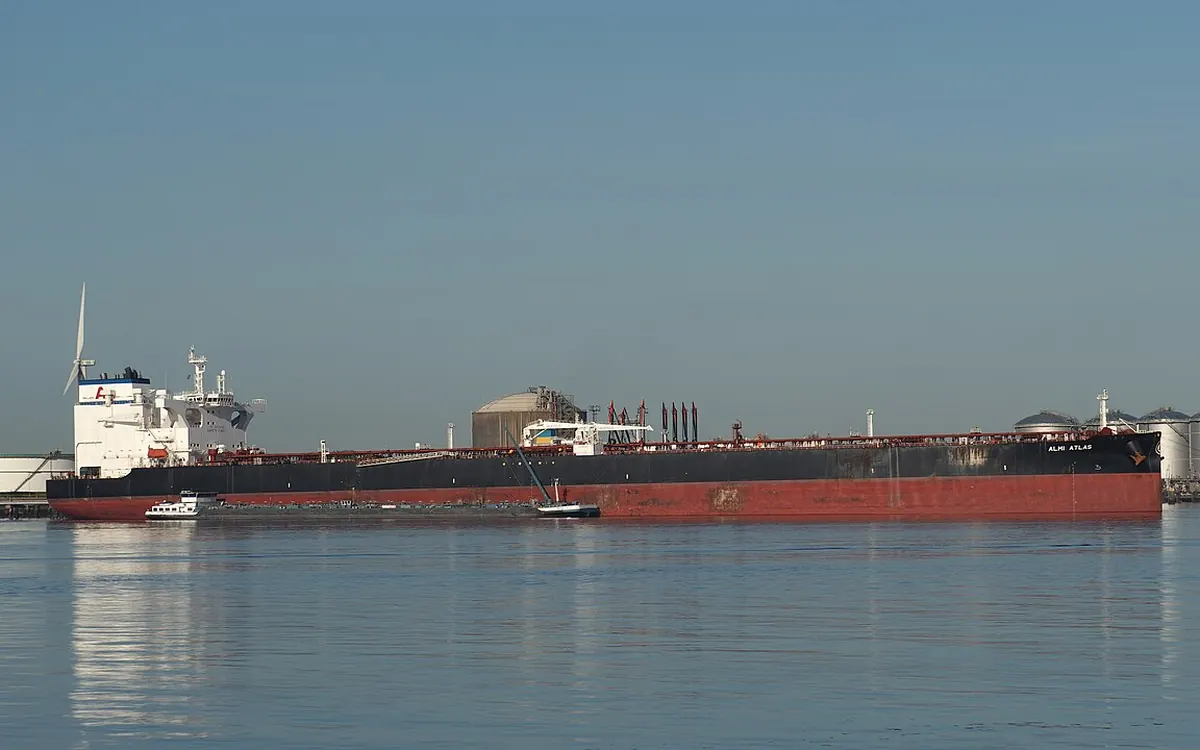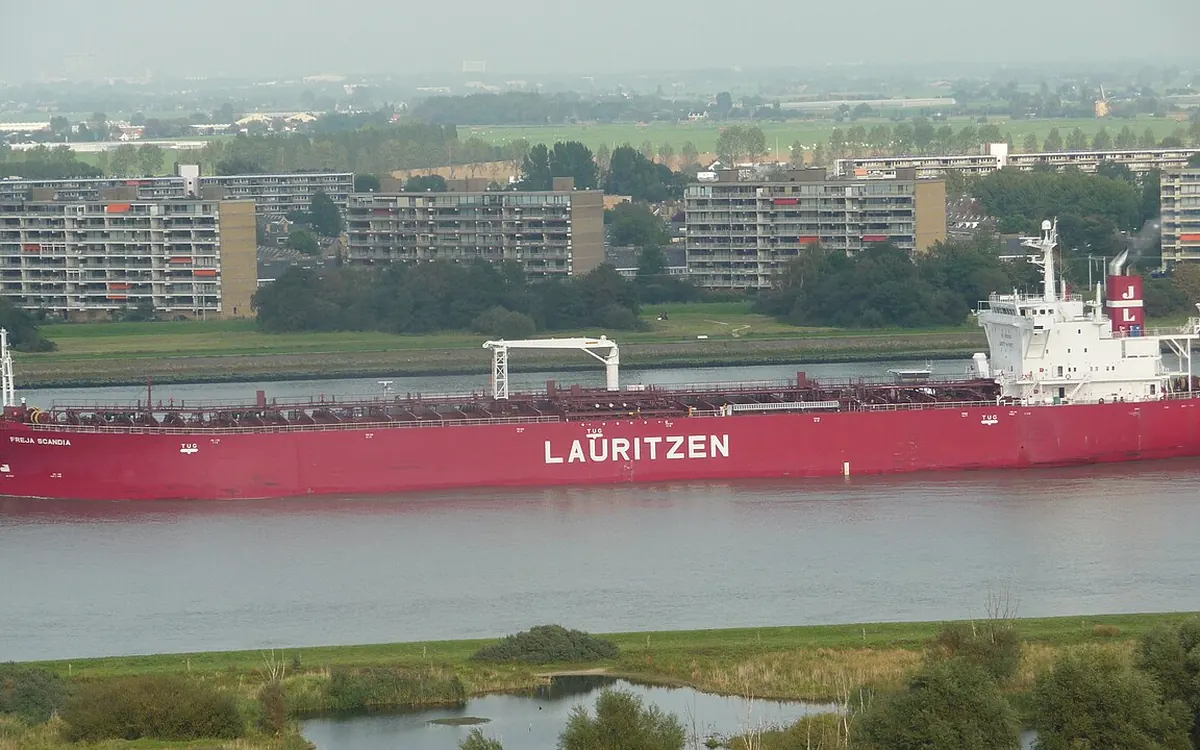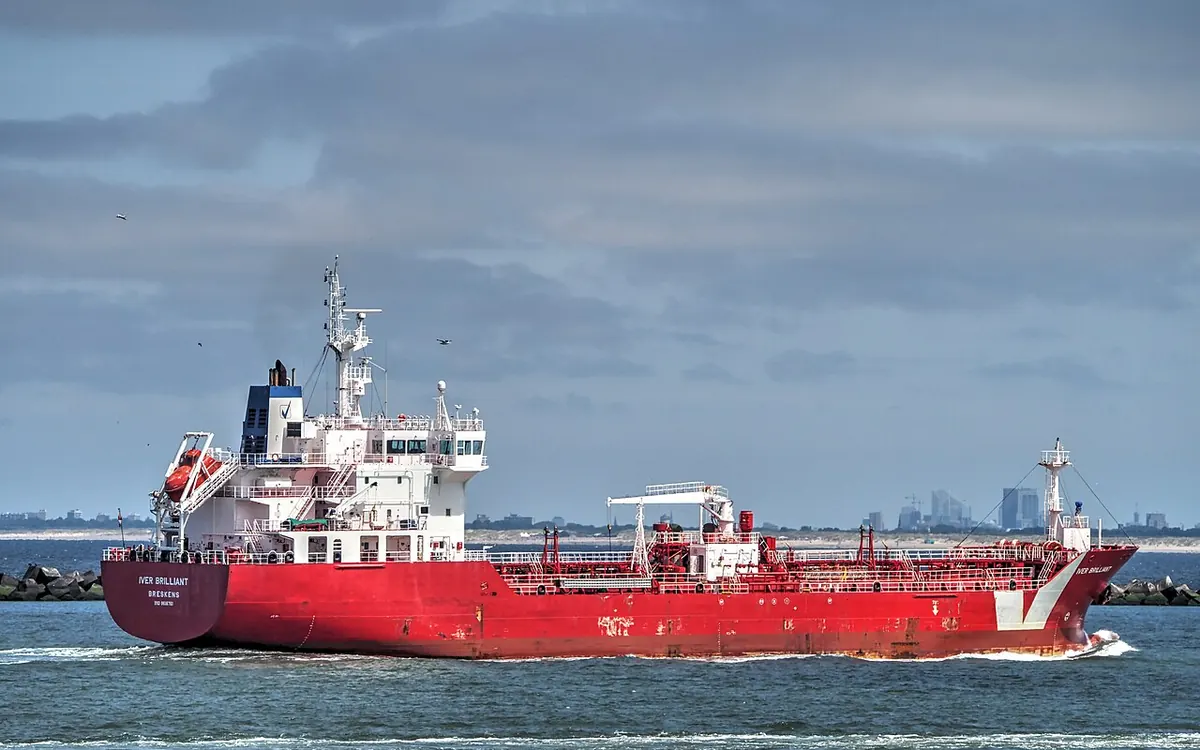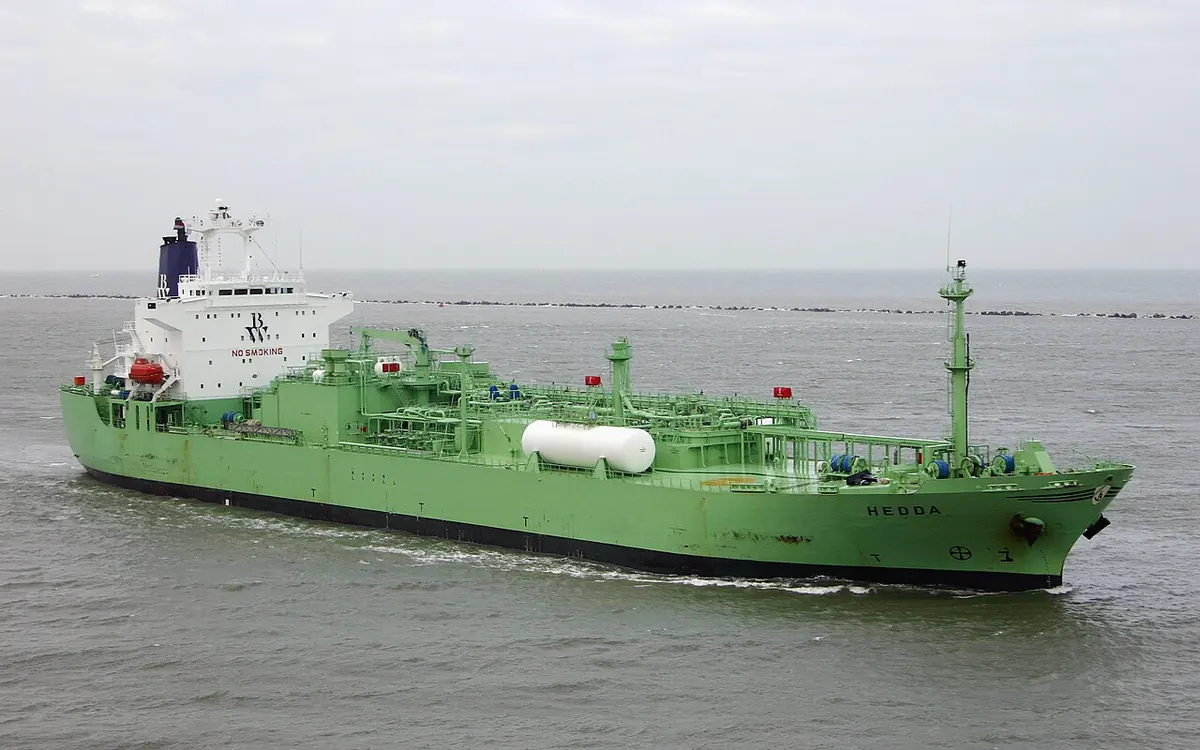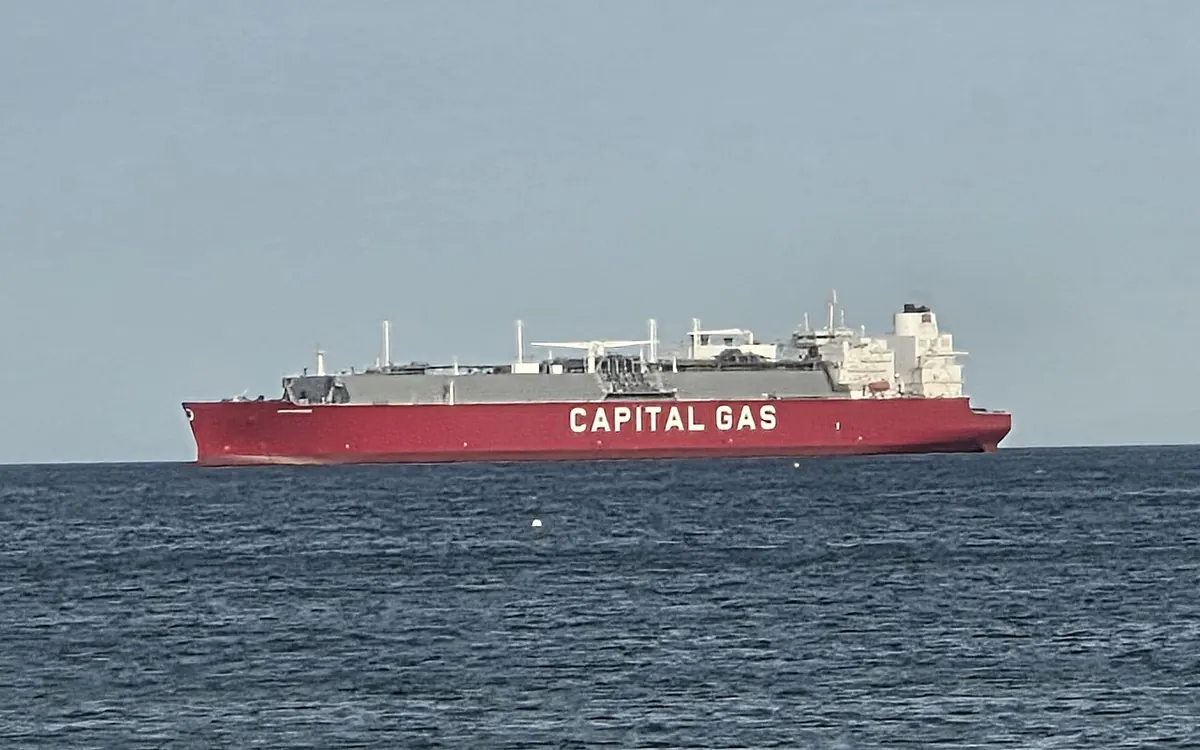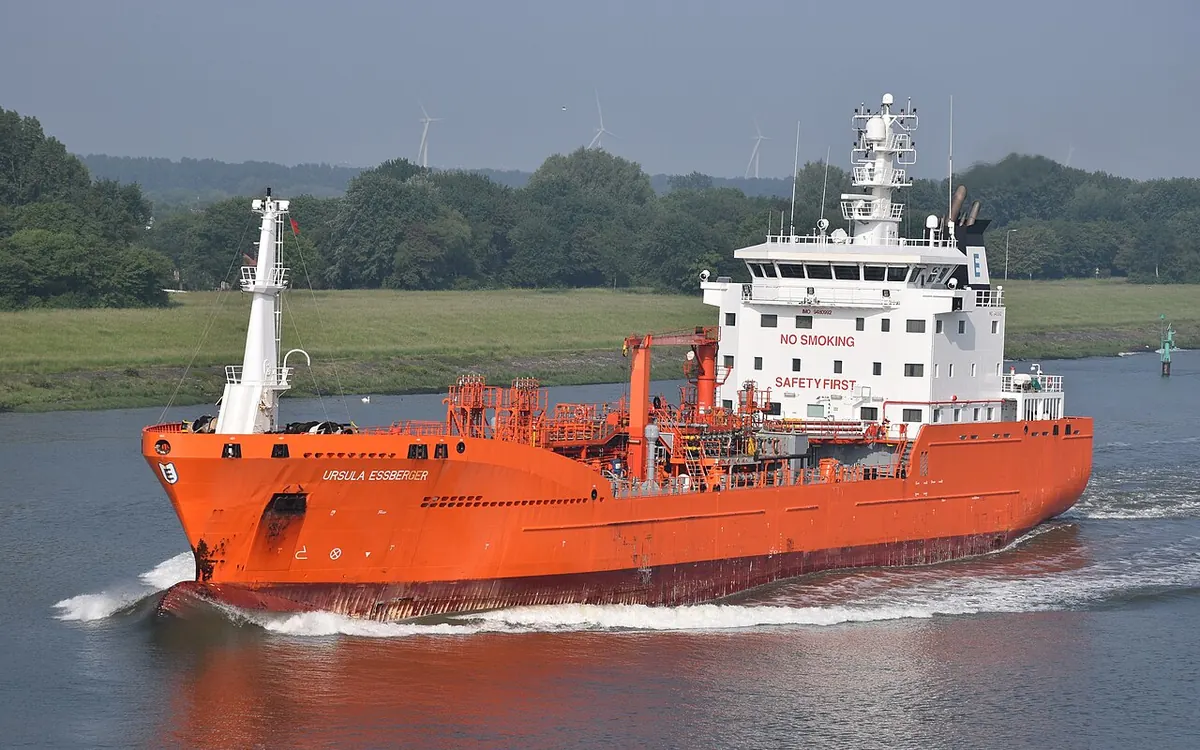
Built for liquid chemicals listed in chapter 17 of the IBC Code (MARPOL Annex II). Tanks are coated (phenolic epoxy or zinc) or stainless steel and segregated so several cargoes travel at once.
What a chemical tanker is
MARPOL Annex II defines a chemical tanker as a ship built or adapted to carry in bulk any liquid product listed in chapter 17 of the International Bulk Chemical (IBC) Code. Besides industrial chemicals and clean petroleum products, these ships often carry sensitive cargoes that need very clean tanks, such as palm oil, vegetable oils, tallow, caustic soda and methanol.
All modern chemical tankers have a double hull. Depending on the hazard of the products they carry, they are classed as IMO Type 1, 2 or 3.
Tanks, pumps and cargo handling
The cargo tanks are either coated, with phenolic epoxy or zinc paint, or made of stainless steel. The tank material decides what a tank can carry. Aggressive acids such as sulfuric and phosphoric acid need stainless steel, while easier cargoes such as vegetable oil can travel in epoxy coated tanks.
Most ships have one hydraulically driven submerged pump per tank, with its own piping, so each tank loads a separate cargo without mixing. Steam passes through stainless steel heating coils to keep some cargoes fluid. Stiffeners sit on deck rather than inside the tanks, so the walls stay smooth for the fixed cleaning machines. Tanks are kept under an inert gas blanket, often nitrogen.
Sizes and construction
Oceangoing chemical tankers range from about 5,000 to 35,000 DWT. That is smaller than the average for other tanker types, partly because chemical terminals have tight size limits.
Most new chemical tankers come from yards in Japan, Korea and China, where the large majority of stainless steel chemical tankers are built. Welding stainless steel to the accuracy that cargo tanks need is a hard skill to learn. Smaller builders work in Turkey, Italy, Germany and Poland.
Cargo and trades
Because every tank has its own pump and line, an oceangoing chemical tanker may carry many grades on one voyage. It often loads and discharges these parcels at different ports or terminals. Planning the stowage and the schedule takes specialist knowledge on board and ashore.
Charterers and end users include oil majors, industrial consumers, commodity traders and specialist chemical companies. Large operators include Stolt-Nielsen, Odfjell, Navig8 and Mitsui O.S.K. Lines.
IMO ship types
Ships carrying chemicals in bulk are classed in three types. Type 1 ships carry products with very serious environmental and safety hazards and need the maximum preventive measures against leakage. Type 2 ships carry products with appreciably severe hazards and need significant measures.
Type 3 ships carry products with sufficiently severe hazards to need a moderate degree of containment to survive damage. Most chemical tankers are rated IMO 2 and 3, because the volume of IMO 1 cargo is very limited.
What a shipper should know when booking
Chemical tankers are often fixed on a rate per tonne. Unlike a lump sum deal, port costs and voyage expenses are then generally paid by the charterer. Give the product name as listed in the IBC Code, because it decides the IMO ship type and tank coating you need.
Ask which tank your parcel will go in, what it carried before, and whether it is stainless steel or coated. Tank cleaning matters, since residue can spoil the purity of the next cargo, and tanks must be ventilated and checked free of toxic or explosive gas first. Mention heating needs for viscous cargoes.
Variants
Questions shippers ask
Can one chemical tanker carry several products?
Yes. Most ships have a separate pump and pipe for each tank, so different grades travel at the same time without mixing and can discharge at different ports.
Which tank do acids need?
Aggressive acids such as sulfuric and phosphoric acid need stainless steel tanks. Easier cargoes like vegetable oil can go in epoxy coated tanks.
What does IMO 2 mean?
It is the middle of three IMO ship types for bulk chemicals, for products with appreciably severe hazards. Most chemical tankers are IMO 2 or 3.
How is freight usually set?
Chemical tanker charters often use a rate per tonne, with port costs and voyage expenses generally paid by the charterer.