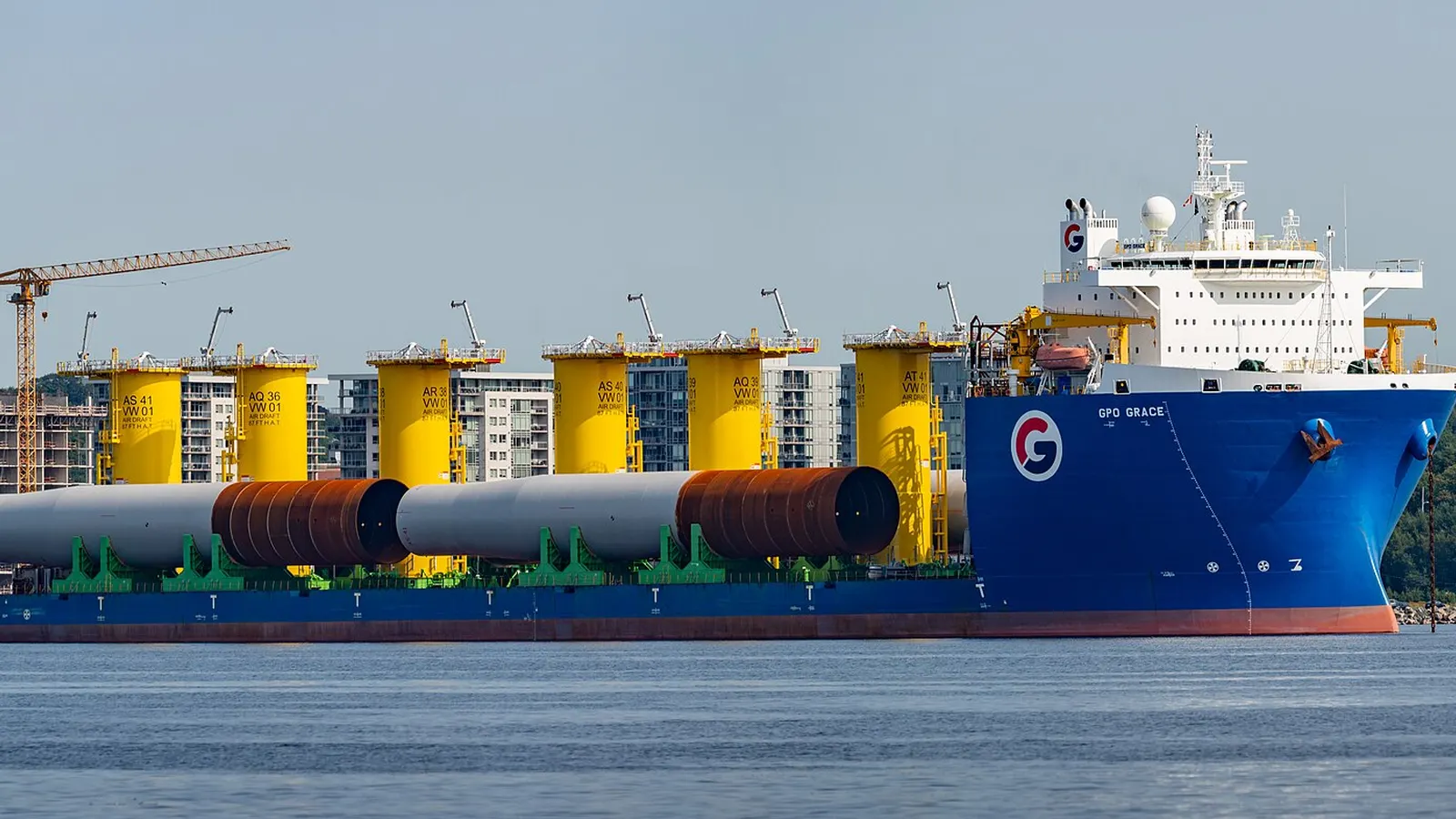
Industrial freight splits by cargo shape. Standard machinery and steel products move in 20 and 40 foot containers, while anything that exceeds the box goes on flat racks, open tops or platforms as out-of-gauge cargo. Coils, plate, pipe and sections go breakbulk on general cargo ships, or by rail wagon to the quay. Ores, coal, grain and fertiliser move in bulk on Handysize to Capesize carriers. Turbines, transformers and process modules use heavy-lift ships, roll trailers, low loaders and port cranes.
Problems start when cargo, equipment and port are checked separately. A flat rack booked as a standard box is refused at the terminal, a berth proves too shallow for the loaded draught, or the quay crane cannot lift the piece. Bulk and breakbulk legs also lack the event feed that containers have. Port data, sailings by vessel and vessel positions in one place let planners test the route before the carrier is chosen.