Skip to content
Navo24Navo24
Fertiliser and crop protection freight

Agro-chemicals and fertiliser logistics.

Fertiliser and crop protection flows run in short seasonal waves, mixing bulk and bagged cargo with dangerous goods in classes 5.1, 6.1 and 9. Navo24 is a data and software platform that gives tracking, schedules, rates, load plans and reference data, so planners can follow these moves without handling the cargo.

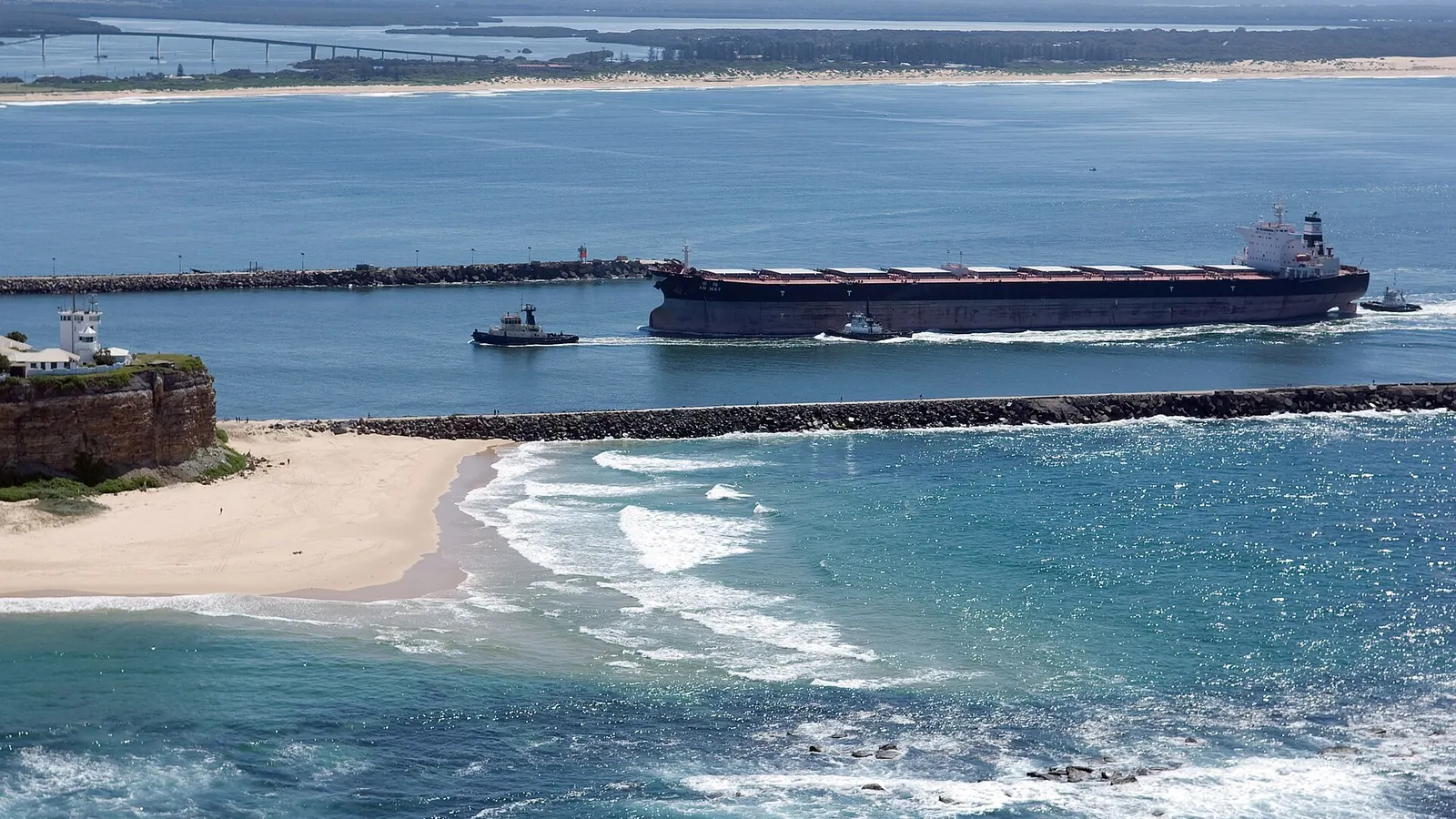
Newcastle is one of  the world's largest coal export ports. Coal represents 90% of cargo tonnage. Other bulk cargoes include grains, vegetab

Overview

Fertiliser moves mostly as bulk on handysize, supramax and panamax bulk carriers from producing regions to import ports, then onward by silo trailer, tipper, covered hopper wagon or barge. Bagged product of 25 to 50 kg, and big bags of 500 to 1,000 kg, travels on pallets in 20 ft and 40 ft containers, in curtainsider trailers or as break bulk. Crop protection products ship in drums, jerricans and cartons, mostly in containers, with formulators supplying regional distributors ahead of each application season.

Problems start when the paperwork and the physical move disagree. A product declared as class 9 at booking but treated as 5.1 at the terminal can lose its slot, and a vessel that slips by a week can land bagged urea after farmers have already bought elsewhere. Navo24 brings schedules, cut-offs, container tracking, port data and load plans into one place, so planners see changes while there is still time to reroute or rebook.


What goes wrong today

01

Application windows leave no slack

Spring and autumn demand compresses into a few weeks, and dangerous goods slots on popular sailings fill first. A rolled container or a late wagon can mean product reaches the distributor after the season has closed.

02

Classification changes the whole booking

Ammonium nitrate based fertilisers can fall under UN 2067 in class 5.1 or UN 2071 in class 9, and pesticides under UN 2588 in class 6.1 or UN 3077 and UN 3082 in class 9. Each route changes carrier acceptance, the dangerous goods declaration, segregation and the earlier DG cut-off.

03

Moisture, crushing and contamination damage

Hygroscopic products cake when containers sweat or hatches are opened in rain, and stacked big bags deform on poor pallets. Bulk holds need cleaning or liners, and fertiliser must be kept apart from food, feed and incompatible goods.

04

Port and terminal limits get missed

Not every berth accepts class 5.1 bulk, and draft, discharge rates and storage capacity vary widely between ports. A vessel nominated to a berth that cannot handle the cargo or draft costs days at anchor.

What Navo24 gives you

SchedulesMCP

Plan sailings around DG cut-offs

SchedulesMCP lists sailings, cut-offs, transshipment points and carrier on-time reliability, so planners can book earlier than the season needs and choose services that tend to hold their dates. Direct sailings reduce the number of times a dangerous goods box is handled and can be rolled.

  • Compare cut-offs across carriers per lane
  • Prefer direct services for DG boxes
  • Check reliability before committing season stock
Open SchedulesMCP
TrackingMCP

Follow containers and spot delays early

TrackingMCP follows containers across 240+ carriers with predicted ETAs and free time alerts. Distributors waiting on bagged fertiliser or formulated pesticide see slippage while there is still time to re-slot trucks and warehouse space.

  • Predicted ETAs across 240+ carriers
  • Free time and demurrage alerts
  • API, webhooks and MCP for your own systems
Open TrackingMCP
LoadingMCP

Load bagged and palletised product properly

LoadingMCP plans pallets, cartons and crates into containers and trucks in 3D, showing how many pallets of 25 kg or 50 kg bags fit within the payload and floor space. Planners can test layouts before packing, keeping weight spread evenly and heights within the door opening.

  • Pallet and carton layouts in 3D
  • Check payload against floor space
  • Test stacking before the container is packed
Open LoadingMCP
World Sea Ports

Check port depth and bulk facilities

World Sea Ports gives depths, maximum vessel size, berths and facilities for 2,900+ ports. Buyers of bulk fertiliser can check whether a vessel size fits a discharge port before nominating it.

  • Depths and maximum vessel size
  • Berths and cargo facilities per port
  • Compare alternative discharge ports
Open World Sea Ports

How it works with Navo24

  1. Check route and cut-offs

    Compare sailings and DG cut-offs for the lane, then confirm the carrier accepts the exact UN number and class.

  2. Plan the load

    Model pallets or bags in the container or trailer, and confirm weight and VGM figures before packing.

  3. Track the move

    Follow the container or vessel with predicted ETAs and receive alerts when the schedule or free time changes.

  4. Prepare delivery and return

    Use arrival data to book haulage, silo or warehouse space and plan the empty container return before charges start.

Rules and standards that apply

IMDG Code (SOLAS Chapter VII)

Sets classification, packing, marking, segregation and documents for fertiliser and pesticide classes 5.1, 6.1 and 9, including the marine pollutant mark and the dangerous goods declaration.

IMSBC Code

Governs solid bulk cargoes at sea, including schedules for ammonium nitrate based fertilisers, and sets hold condition, trimming and moisture requirements.

IMO/ILO/UNECE CTU Code

Gives guidance for packing, securing and ventilating cargo units, which matters for bagged fertiliser on pallets and drums of crop protection product.

ADR and RID

Cover dangerous goods by road and rail in Europe, setting vehicle and wagon requirements, transport documents, placarding and driver training for onward legs.

SOLAS Chapter VI VGM

Requires a verified gross mass for every packed container before loading, so mis-stated bag weights can cause a box to be refused.

Questions

Is ammonium nitrate fertiliser class 5.1 or class 9?

It depends on composition. Ammonium nitrate based fertilisers that meet the oxidising criteria are carried as UN 2067 in class 5.1, while those of the non-explosive type that do not are listed as UN 2071 in class 9. The shipper should confirm classification from the safety data sheet and test data before booking.

Is urea a dangerous good for shipping?

Urea is not classed as dangerous goods under the IMDG Code in normal form, and it falls under HS 3102. In bulk it is still subject to the IMSBC Code, and it needs dry holds and clean equipment because it absorbs moisture.

Which documents does a pesticide shipment need?

Typically a dangerous goods declaration, a container packing certificate, the safety data sheet, a commercial invoice and packing list, and the bill of lading. Pesticides under UN 3077 or UN 3082 also need the marine pollutant mark on packages.

How do I stop bagged fertiliser caking in a container?

Keep bags dry before packing, use waterproof liners or sealed bags, and avoid packing in damp conditions. Dunnage and desiccant reduce contact with condensation, and the CTU Code gives guidance on ventilation and securing.

When should I book space for the application season?

Book as early as stock allows, because dangerous goods slots are limited per vessel and DG cut-offs are often earlier than for general cargo. Checking sailing schedules and carrier reliability weeks ahead leaves time to rebook if a service is cancelled.