

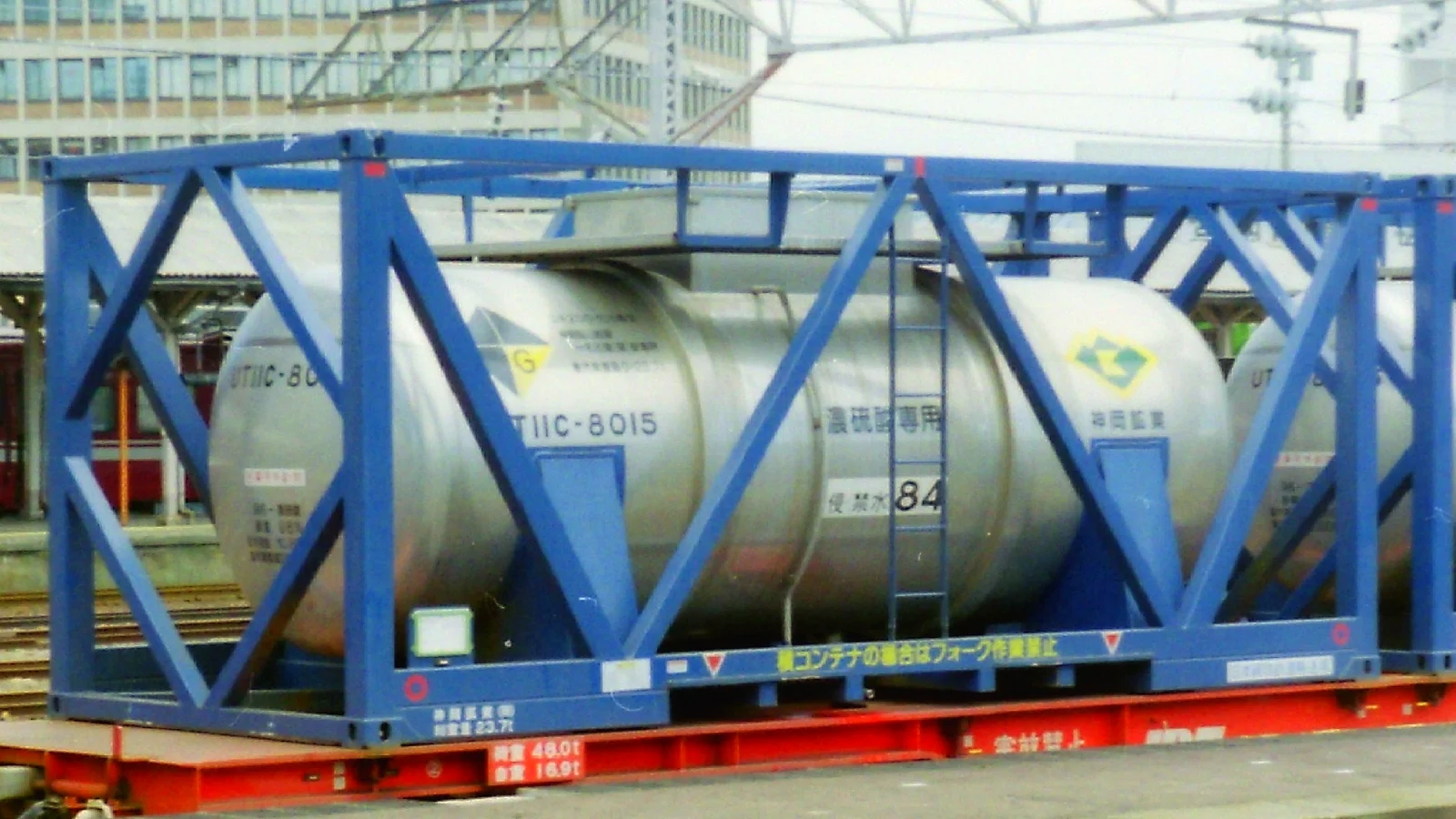
A crate of ceramic mugs can survive a drop or a few rough bumps without much trouble, but a drum of flammable solvent has no such margin for error.
That gap is the whole story behind hazardous material transport. Ordinary cargo like clothing, toys, or home décor can be boxed up and sent by air or sea with barely a second thought. Hazmat sits at the other end of that spectrum entirely, and getting it there safely takes real deliberate effort, not guesswork.
What Counts as Hazardous Cargo (and Why You Need to Know It Cold)
Hazardous cargo shows up in every physical state: gas, liquid, solid. Some of it is scalding hot, some is bone cold, a lot of it has no smell and no color at all, and some of it is bright and obvious the moment you see it. A single pure chemical can be dangerous on its own. So can a blend of substances, or a finished manufactured product built around them. What ties the category together is the classification system that ranks how much danger each item carries, with the labeling following from that ranking.
If you’re shipping or carrying this cargo, the label alone only gets you so far. You need to understand the actual nature of what’s in the container, the hazard it genuinely poses, and the specific laws that govern moving it from point A to point B. None of that knowledge is optional, and none of it can live only in someone’s head. It has to show up on paper: documentation, labels, declarations, all of it tracking the cargo the whole way through.
Rules Change by Mode, and by Border
Whether you’re the shipper or the carrier, the restrictions that apply depend heavily on how the cargo is moving. Sea, road, and air each come with their own rulebook, and those rulebooks shift again from country to country, and in some cases between individual states inside a single country.
The IMDG Code (International Maritime Dangerous Goods Code) governs hazardous cargo at sea. Road transport in the US falls under 49 CFR, the Code of Federal Regulations Title 49. Air cargo answers to IATA, the International Air Transport Association, whose Dangerous Goods Regulations (DGR) are the standard reference for documenting hazardous air shipments. These frameworks get revised over time, so a packing method or declaration that cleared before should be checked against the current version rather than assumed to still apply.
Paperwork Carries as Much Weight as the Cargo
Six documents, roughly, is what you’re looking at, depending on the cargo type and the route: MSDS, DG Packing, DG Request, DG Manifest, a List or Declaration, and the TREM Card. Each one does different work, and which ones you need shifts with the nature of the goods, the shipping country, the receiving country, and the mode of transport.
That list can look like alphabet soup on paper, but each document gets checked at some point along the route, so skipping one is not really an option.
Different hazard classes carry different handling rules and different segregation requirements, and the only way that information travels down the chain, from the person who packed the container to the person unloading it on the other side, is through the paperwork. Hazmat shipping papers carry the hazard information to everyone who touches the cargo after you, from the loading dock to the final handler on the other end.
Packing It So It Stays Put
Good packing matters for any cargo, but for hazardous goods the stakes climb fast. You need the right materials, the right padding, the right strapping, all of it there to keep the contents from shifting, spilling, or getting damaged before any of that can start. Crews secure and tie everything down for the journey ahead.
There’s also a practical wrinkle worth mentioning: dangerous goods generally need to be stored somewhere quick and easy to reach, in case something goes wrong mid-transit and someone needs to get to it fast.
Everyone in the Chain Needs the Same Briefing
The training requirement runs through every role involved: the people loading and handling the cargo, the operators running the equipment, the drivers moving the trucks, the approvers signing off, and the staff who manage the documentation. It covers both the specific job and how that job fits into the larger chain. Each person needs to know the rules governing the cargo itself, the rules at whichever port it’s passing through, the regulations in the destination country, and the procedures and paperwork the transfer actually requires.
Hazmat compliance responsibility runs across every role that touches the shipment, from the packers and handlers through to the drivers and approvers.
Hazardous goods transport is a specialized discipline with a lot of moving parts, and every link in that chain needs full visibility into what’s being shipped, what paperwork backs it up, how it needs to be labeled, and which laws apply at each stage. Strict guidelines apply throughout, and the planning has to be thorough well before the cargo ever reaches a port or a terminal.
Working with a logistics provider or a hazmat specialist who already knows the packing standards, the labeling rules, and the documentation requirements tends to save a lot of grief down the line.