Skip to content
Navo24Navo24
Freight data for the Americas

Logistics in the Americas.

North America, Latin America and the Caribbean: the ports, the countries and the Navo24 tools for shipments into, out of and within the Americas.

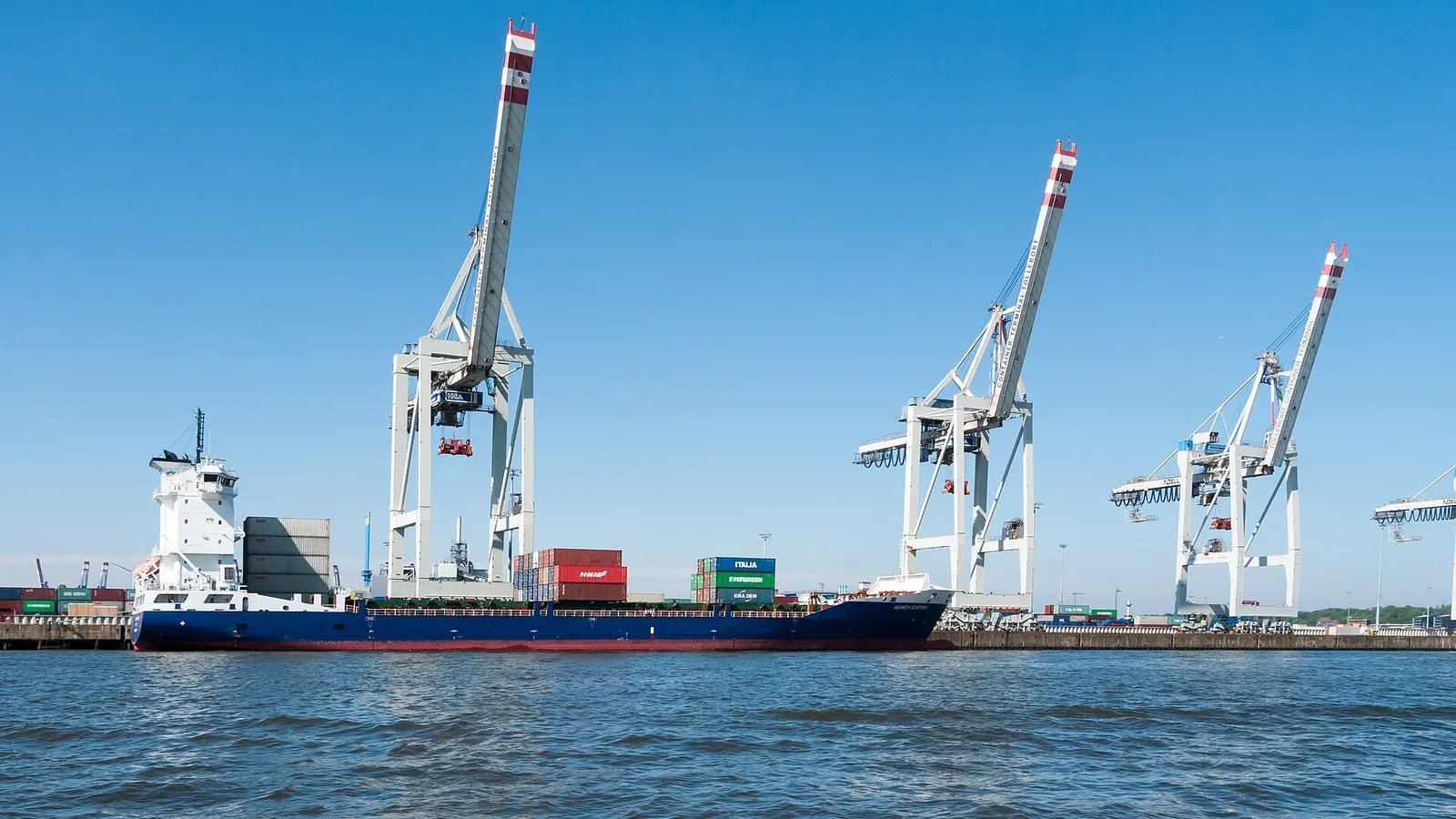
Wikipedia Ahoi in Hamburg 2019

Overview

Freight in the Americas runs on four distinct systems. Asian imports reach Los Angeles, Long Beach, Savannah and New York New Jersey, then move inland by double-stack well cars or by 53 ft containers on chassis. Mexico connects through Manzanillo, Lázaro Cárdenas and Veracruz, with rail and truck links to the US border. South America exports reefer fruit, protein, coffee, grain and ore from Santos, Guayaquil, Callao and Valparaiso. The Caribbean relies on transshipment hubs such as Kingston, Freeport and Caucedo.

Delays here rarely happen at sea. They sit in the gaps: a rotation that changes around Panama Canal draft or transit slots, an ISF or ACI filing missed before loading, a box held past free time because a depot is full, or a reefer without power. Carrier milestones, schedules, port limits and free-time clocks have to be read together, so the planner sees the problem before the invoice does.


What goes wrong today

01

Panama Canal draft and transit limits

Neopanamax locks allow vessels up to 366 m long, 51.25 m wide and 15.24 m draft in tropical fresh water, and the permitted draft changes with Gatun Lake levels. A restriction or slot shortage can change the rotation of an all-water service between Asia and the US East Coast.

02

Three customs systems, three deadlines

US imports need an Importer Security Filing 24 hours before loading, Canada requires eManifest data through CBSA, and Mexico requires a pedimento and a Carta Porte for road moves. A filing that is late or inconsistent with the bill of lading can hold the box before it reaches the gate.
03

Free time, chassis and empty returns

Demurrage and detention clocks start on different events, and US inland moves depend on chassis availability and depot return rules. A box that misses its pickup window at a congested terminal can cost more in charges than the delay itself.
04

Reefer cargo over long, hot inland legs

Fruit from Ecuador, Chile and Peru, and protein from Brazil, depends on continuous power and set points held at the plug, from farm to vessel and to the final warehouse. A gap at a terminal reefer outlet or a genset change on a truck leg can spoil a full container.

What Navo24 gives you

TrackingMCP

Track containers from origin to inland ramp

TrackingMCP follows ocean containers across 240+ carriers, with predicted ETAs and free-time and demurrage alerts, so you can see when a box reaches Santos, Savannah or Manzanillo and how many free days remain. Use the API, webhooks or MCP to feed the same events into your TMS or an AI agent.

  • One timeline across carriers and ports
  • Free-time and demurrage alerts before charges start
  • API, webhooks and MCP for your systems
Open TrackingMCP
SchedulesMCP

Compare sailings, cut-offs and reliability

SchedulesMCP shows sailings, cut-offs and transshipment points for lanes such as Asia to the US West Coast, Europe to Brazil and the Caribbean feeder network. Carrier on-time reliability helps you judge whether a tight connection at Panama or Kingston is realistic.

  • Cut-offs for VGM, documents and gate-in
  • Transshipment at Colón, Kingston, Freeport and Caucedo
  • Carrier on-time reliability by lane
Open SchedulesMCP
World Sea Ports

Check port depths and vessel limits

World Sea Ports gives depths, maximum vessel size, berths and facilities for ports from Vancouver to Buenos Aires. Check whether a berth takes a 14,000 TEU ship or only feeders before you accept a routing.

  • Depth and maximum vessel size per port
  • Reefer, container and bulk facilities
  • UN/LOCODE identifiers for clean bookings
Open World Sea Ports
FreightRatesMCP

Benchmark FCL rates by lane

FreightRatesMCP gives indicative ocean FCL rates and rate history for Americas lanes, so you can see whether a quote to Houston, Callao or Santos is in line with recent movement. Use it alongside surcharges such as PSS, THC and the Panama Canal charge.

  • Indicative 20 ft and 40 ft FCL rates
  • Rate history to spot seasonal swings
  • Compare quotes before you commit
Open FreightRatesMCP

How it works with Navo24

  1. Check the lane and port limits

    Confirm that the load port and discharge port take the vessel size and that the routing avoids a Panama constraint that does not suit your date.

  2. Pick a sailing and set cut-offs

    Compare sailings and reliability, then diarise the VGM, document and ISF or ACI filing deadlines before the cut-off.

  3. Track the box and the ETA

    Follow the container by booking, bill of lading or container number, and watch the predicted ETA for changes in rotation or port dwell.

  4. Clear, collect and return the empty

    Use free-time alerts to plan pickup, chassis and the empty return so demurrage and detention do not start unnoticed.

Rules and standards that apply

SOLAS Chapter VI VGM

Every packed export container must have a verified gross mass declared before loading, and carriers at US, Brazilian and Chilean ports will refuse to load a box without it.

CBP Importer Security Filing (10+2) and ACE

US-bound ocean cargo needs an ISF submitted 24 hours before loading abroad, and the carrier files its manifest data separately.

CBSA Advance Commercial Information and eManifest

Marine cargo for Canada must be reported to CBSA before arrival, and a container imported for sale needs its own filing.

USMCA rules of origin and certification

Goods moving between the US, Mexico and Canada claim preferential duty only with a valid origin certification and a correct HS classification.

Mexico CFDI Carta Porte complement

Domestic road and rail moves in Mexico must travel with a Carta Porte describing the goods, route and transport units.

Questions

How do I track a container shipping to the Americas?

Enter the container number, booking number or bill of lading number in TrackingMCP, which covers 240+ carriers. You get a single event timeline, a predicted ETA and free-time alerts for the discharge port.

What is the maximum vessel size for the Panama Canal?

The Neopanamax locks take vessels up to 366 m long, 51.25 m wide and 15.24 m draft in tropical fresh water. The older Panamax locks are limited to 294.13 m length, 32.31 m beam and 12.04 m draft, and the permitted draft can be lowered when lake levels fall.

When must an ISF be filed for US imports?

The Importer Security Filing, known as 10+2, must be submitted to US Customs and Border Protection at least 24 hours before the cargo is loaded on the vessel at the foreign port. Late or inaccurate filings can lead to liquidated damages and cargo holds.

What is the difference between demurrage and detention?

Demurrage is charged when a full container stays inside the terminal beyond free time. Detention is charged when the container is outside the terminal, or not returned empty, beyond the allowed days.

What temperature should I set for reefer cargo from South America?

The set point depends on the commodity: bananas are usually carried at around 13 to 14 °C, while frozen meat is carried at about minus 18 °C or lower. Always follow the shipper's instruction and the carrying temperature in the booking, and check plug availability at each terminal.