Skip to content
Navo24Navo24
Beverage freight data and planning

Beverage logistics.

Beverage shipments are heavy and volume-driven, so payload limits, VGM declarations, flexitank loading and summer or festive peaks shape every booking. Navo24 gives shippers and forwarders container tracking, vessel schedules, rates, load plans and reference data to plan and follow these moves; it does not handle or store cargo.

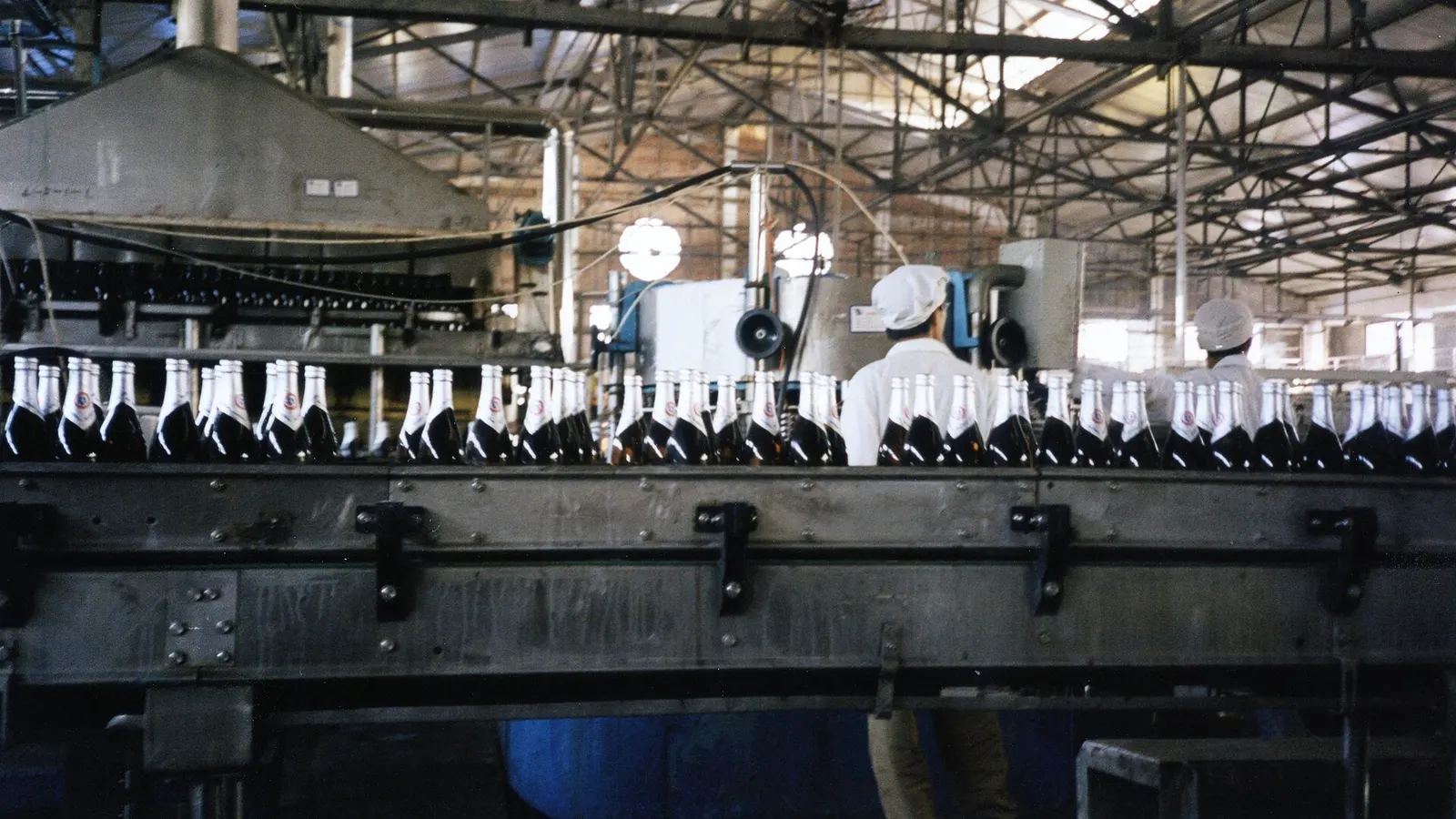
Zhaoqing, China Pabst Blue ribbon, bottling line

Overview

Most beverage trade moves in 20ft and 40ft dry containers on deep-sea lanes, while bottled water, beer, soft drinks and juice also travel by curtainsider and swap body inside Europe. Wine and spirits go in standard boxes, or in insulated or reefer containers when heat is a risk. Bulk wine and juice often ship in 20ft flexitanks. Cargo is palletised, and a loaded pallet of bottled drinks often weighs 1 tonne or more. Demand peaks in summer, around Ramadan and before Christmas.

Problems start when the load plan, the weight declaration and the sailing do not match. A box packed to the pallet count can exceed the payload or road axle limit, a VGM filed late can leave a container at the terminal, and a rolled sailing in July or November can miss the sales window. Reliable weights, cut-offs, live container events and schedule data let you catch these issues before gate-in.


What goes wrong today

01

Weight limit hit before volume

About 20 pallets at 1.2 t each reach 24 t in a 20ft box before dunnage and tare are counted, so the container is often full by weight long before it is full by volume. Road legs add another cap, such as 44 t gross on six axles in the UK or 40 t in many EU states.

02

VGM deadlines at the terminal

Under SOLAS a container needs a verified gross mass from the shipper before it is loaded, and the carrier or terminal sets its own cut-off. A missing or mismatched figure means the box is not loaded, and it then sits on terminal charges.

03

Flexitank and liquid loading risks

A flexitank in a 20ft box typically carries around 16,000 to 24,000 litres of non-hazardous liquid such as wine or juice. Poor bulkhead fitting, wrong fill or a rough road leg can cause leaks and uneven weight distribution, and the shipper declares the full gross mass.

04

Peak season squeezes space

Summer drinks stock, festive gift packs and Ramadan volumes compete for space and equipment on the same lanes. Blank sailings, port congestion or a rolled booking can push stock past the date the retailer needs it.

What Navo24 gives you

LoadingMCP

Plan pallets against payload and axle limits

LoadingMCP builds a 3D plan of cartons and pallets in containers and trucks, so you can check how many pallets fit and what the gross weight will be before the booking is confirmed. Use it to compare 20ft against 40ft, or single-layer against double-stacked loads.

  • Pallet count and total weight per container
  • Compare 20ft, 40ft and truck options
  • Share a plan with the packing site
Open LoadingMCP
TrackingMCP

Follow every container to the door

TrackingMCP follows containers across 240+ carriers with predicted ETAs, so planners can see gate-in, loading, transshipment and discharge in one place. Free-time and demurrage alerts help you collect boxes and return empties before charges build up.

  • Container events and predicted ETA
  • Free-time and demurrage alerts
  • API, webhooks and MCP for your systems
Open TrackingMCP
SchedulesMCP

Book sailings with cut-offs in view

SchedulesMCP lists sailings with cut-offs, transshipment points and carrier on-time reliability. Use it to place beverage stock on a sailing that leaves enough margin for VGM, customs and peak-season delays.

  • Port cut-offs and transit times
  • Direct and transshipment options
  • Carrier on-time reliability
Open SchedulesMCP
FreightRatesMCP

Compare lane rates before peak season

FreightRatesMCP gives indicative FCL lane rates and rate history, which helps you budget for summer and festive volumes. Compare rate movements with the heavy weight and peak season surcharges that carriers may apply to dense beverage loads.

  • Indicative 20ft and 40ft lane rates
  • Rate history for seasonal planning
  • Spot movements before you commit
Open FreightRatesMCP

How it works with Navo24

  1. Plan the load and weight

    Model pallets and cartons in LoadingMCP to confirm the gross weight stays within the container, chassis and road limits.

  2. Choose sailing and rate

    Compare SchedulesMCP sailings and cut-offs with FreightRatesMCP lane rates, and leave margin for the VGM deadline.

  3. Declare VGM and gate in

    Submit the verified gross mass to the carrier or terminal before the cut-off, then follow gate-in and loading events in TrackingMCP.

  4. Track to delivery and return

    Use predicted ETAs and free-time alerts to plan unloading, excise or customs steps, and empty return.

Rules and standards that apply

SOLAS Chapter VI, Regulation 2 (VGM)

The shipper must provide a verified gross mass by weighing the packed container or by summing contents and tare, and carriers will not load a packed container without it.

IMO/ILO/UNECE CTU Code

It sets guidance for packing and securing cargo units, which matters for heavy pallets, bracing and the weight distribution of a flexitank load.

CSC safety approval plate

The plate on each container shows its maximum gross weight, and the packed weight plus tare must stay within that limit.

IMDG Code, Class 3 for high-strength spirits

Spirits and some alcoholic preparations can be regulated as flammable liquids depending on strength, flash point and packaging, so check the special provisions before booking.

EU excise rules and EMCS e-AD

Alcoholic drinks moving under duty suspension in the EU travel with an electronic administrative document, and delays at the border can affect excise timing.

Questions

How many pallets of beer or soft drinks fit in a 20ft container?

It depends on the pallet footprint and the weight per pallet, but a 20ft box usually holds around 10 to 11 pallets per layer, and two layers are often not possible by weight. A loaded pallet of bottled drinks can weigh 1 tonne or more, so check the total against the container payload, typically about 28 t for a standard 20ft.

Do I need a VGM for a container of bottled drinks?

Yes. Under SOLAS Chapter VI, a packed container needs a verified gross mass before loading on an international sea voyage. The shipper provides it by weighing the packed container or by adding the weights of the cargo, packing and tare.

What is a flexitank and what does it carry?

A flexitank is a single-use polyethylene bladder fitted inside a 20ft container for bulk non-hazardous liquids such as wine, juice or vegetable oils. Typical capacity is around 16,000 to 24,000 litres. It needs correct fitting, bulkheads and filling to avoid leaks.

Are spirits dangerous goods for shipping?

Sometimes. Spirits at around 40 percent alcohol by volume can have a flash point low enough to be classed as Class 3 flammable liquids under the IMDG Code, depending on strength, packaging and the special provisions that apply. Always check the classification with the carrier before booking.

How can I avoid missing the summer or Christmas sales window?

Book earlier than normal, choose sailings with a margin on the port cut-off, and track the container so you see delays at transshipment or discharge. Peak season surcharges and blank sailings can also change cost and timing, so compare schedules and rates before you confirm.