Skip to content
Navo24Navo24
Shipper and BCO cargo visibility

Importers and exporters.

You own the cargo, so you should not wait for an email to know where it is. Navo24 gives shippers and BCOs their own view of every container, the sailings on their lanes and what the lane costs.

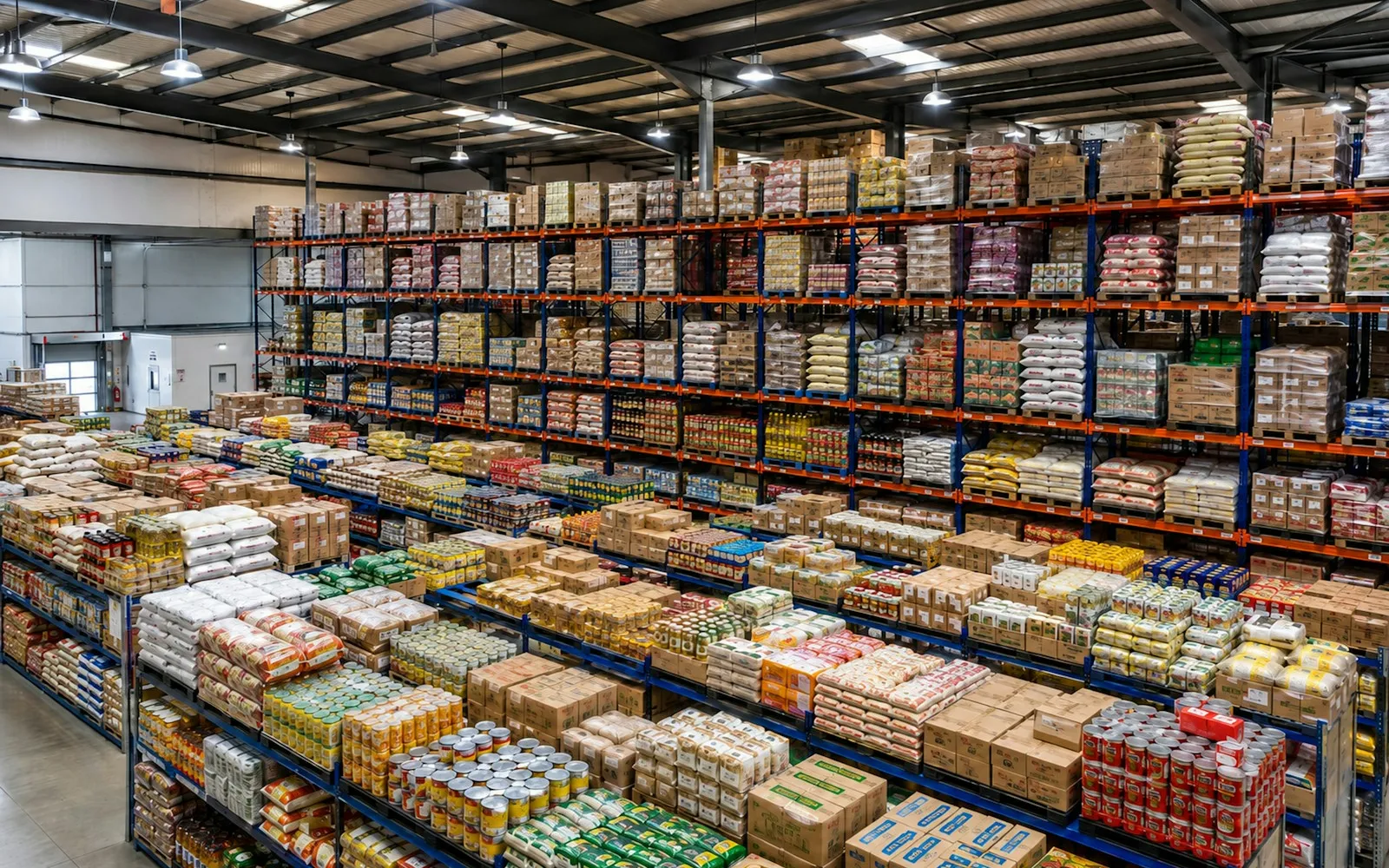
A large warehouse interior filled with shelves of packaged goods

Overview

Importers and exporters move most manufactured goods in 20 ft and 40 ft dry containers, with the 40 ft high cube the workhorse for cartons and palletised freight. Reefers carry perishables at fixed set points, from minus 18 °C for frozen meat to about 13 °C for bananas. Tank containers and flexitanks carry liquids, and air freight takes urgent or high-value lines. Cargo usually travels under FOB, CIF, FCA or DAP, so risk, cost and control pass at different points. Many lanes involve transshipment at a hub port.

The forwarder or carrier holds the data, and the cargo owner hears it second-hand. A status request waits a day, a vessel rolls at a transshipment port without notice, and free time runs out on a box nobody was watching. Closing the gap means carrier events, predicted ETAs, published schedules with reliability figures and lane rates in one place that the shipper controls, so decisions are made before the invoice arrives.


What goes wrong today

01

Status answers arrive a day late

Asking a forwarder where a container is means waiting for them to check the carrier site and reply. By then a vessel may have sailed, rolled or omitted a port, and the production or sales team is already planning on old information.

02

Free time expires on unwatched boxes

Demurrage starts when free time at the terminal ends, and detention starts when the full box is outside the terminal beyond its allowance. A box that clears customs on Friday but is collected the following Thursday can cost more than the haulage it was waiting for.

03

Bookings ignore carrier reliability

Rates are compared line by line, but the cheapest sailing may belong to a service that regularly arrives days late or blanks sailings. Without on-time data per carrier and lane, the cost of a delay never enters the booking decision.

04

Cut-offs, VGM and rolled cargo

A container without a verified gross mass under SOLAS, or a late gate-in against the port cut-off, can be refused or rolled to the next sailing. Exporters often learn about it only when the booking status changes, which is too late to recover the departure.

What Navo24 gives you

TrackingMCP

Track every container yourself, any carrier

TrackingMCP follows containers across 240+ carriers using the container, booking or bill of lading number. It shows milestone events, predicted ETAs and free-time alerts, so you see the position without writing to anyone.

  • Container, booking or B/L number lookup
  • Predicted ETA and free-time alerts
  • API, webhooks and MCP for your systems
Open TrackingMCP
SchedulesMCP

Book sailings with reliability data

SchedulesMCP lists sailings with cut-offs, transshipment ports and carrier on-time reliability on your lane. Compare transit time and punctuality alongside price before you commit to a booking.

  • 72,000+ sailings with port cut-offs
  • Transshipment ports shown per routing
  • On-time reliability by carrier and lane
Open SchedulesMCP
FreightRatesMCP

Know what the lane should cost

FreightRatesMCP gives indicative FCL rates and rate history for your lanes. Use it to check a forwarder quote against the market and to time contract and spot decisions.

  • Indicative 20 ft and 40 ft FCL rates
  • Rate history to spot seasonal swings
  • Check quotes before you accept them
Open FreightRatesMCP
LoadingMCP

Plan the load before the box arrives

LoadingMCP places cartons, pallets and crates into containers and trucks in 3D. Exporters can check how much fits in a 40 ft high cube, whether the weight stays within payload, and whether a second box is needed.

  • 3D plans for cartons, pallets and crates
  • Payload and volume checked per container
  • Fewer part-empty boxes and surprise extras
Open LoadingMCP

How it works with Navo24

  1. Compare sailings and cost

    Check schedules, cut-offs, carrier reliability and indicative rates on your lane, then book the service that fits the delivery date.

  2. Follow the box from gate-in

    Add the booking or container number to tracking and watch gate-in, loading, transshipment and the predicted arrival.

  3. Act on free-time alerts

    Use the alerts to book haulage, customs and unloading slots so the box leaves the terminal inside free time.

  4. Return the empty on time

    Plan the empty return to the right depot before detention starts, and keep the event history for any invoice query.

Rules and standards that apply

Incoterms 2020

FOB, CIF, FCA, DAP and the other rules decide where risk passes and who must watch the cargo, so they decide whose problem a delay is.

SOLAS Chapter VI, Regulation 2 (VGM)

Every packed export container needs a verified gross mass from the shipper before loading, and a mismatch or missing VGM can stop the box boarding.

ISO 6346

The container number format of owner code, category letter, serial and check digit is the key used to identify and track your box.

DCSA track and trace event standards

Standard event types such as gate-in, loaded and discharged make status comparable across carriers and explain why two systems may show different statuses.

IMO/ILO/UNECE CTU Code

Guidance on packing and securing cargo in containers helps exporters avoid damage claims, overweight boxes and rejected loads.

Questions

How can I track my container without asking my forwarder?

Enter the container number, booking number or bill of lading number into a tracking tool that reads carrier events directly. You will see gate-in, loading, transshipment, discharge and a predicted ETA without waiting for an email.

What is the difference between demurrage and detention?

Demurrage is charged when a container stays at the terminal beyond its free time. Detention is charged when the container is held outside the terminal, usually with the consignee, beyond its allowed days before the empty is returned.

How do I check whether a carrier is reliable on my lane?

Look at schedule reliability by carrier and trade lane, meaning the share of sailings that arrive on time. Compare it with transit time and price, since the cheapest sailing is not always the one that arrives when planned.

Why was my container rolled to a later sailing?

Common causes are a full vessel, a missed port cut-off, a missing or mismatched VGM, or documents not released in time. Carriers may also blank a sailing or omit a port, which moves cargo to the next available service.

Does Navo24 move or insure my cargo?

No. Navo24 is a data and software platform, not a forwarder or carrier, and it never moves, stores, insures or handles cargo. It gives you tracking, schedules, rates and planning tools, and you keep your existing carriers, forwarders and insurers.