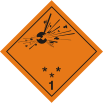
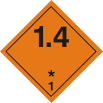
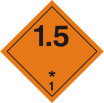
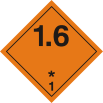
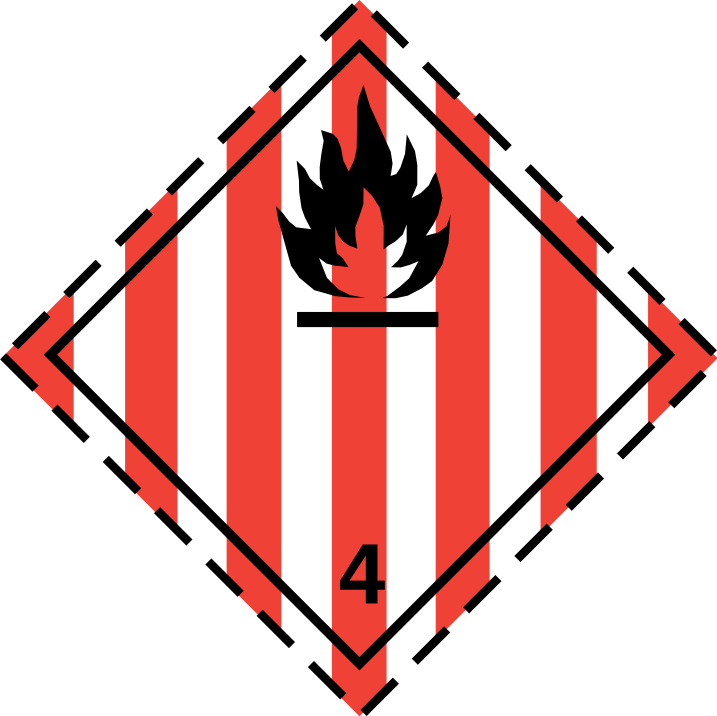
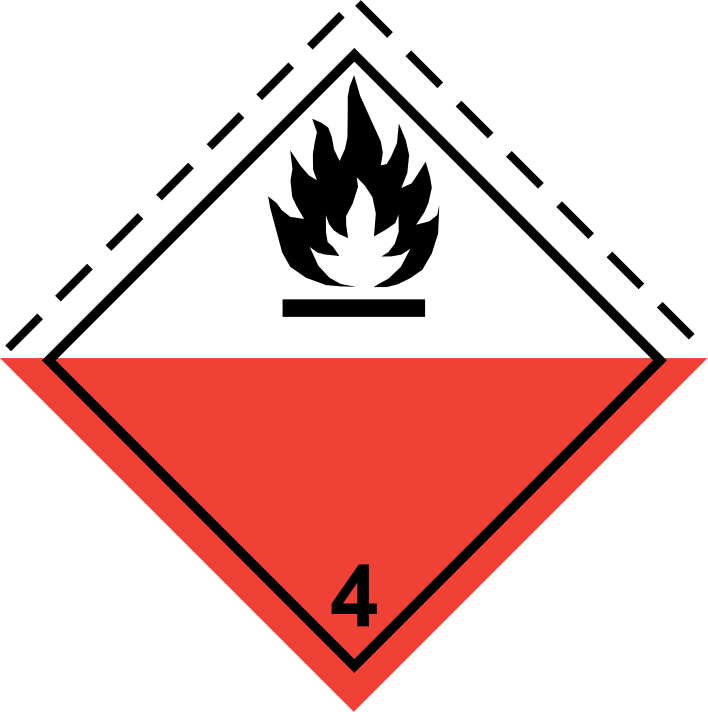
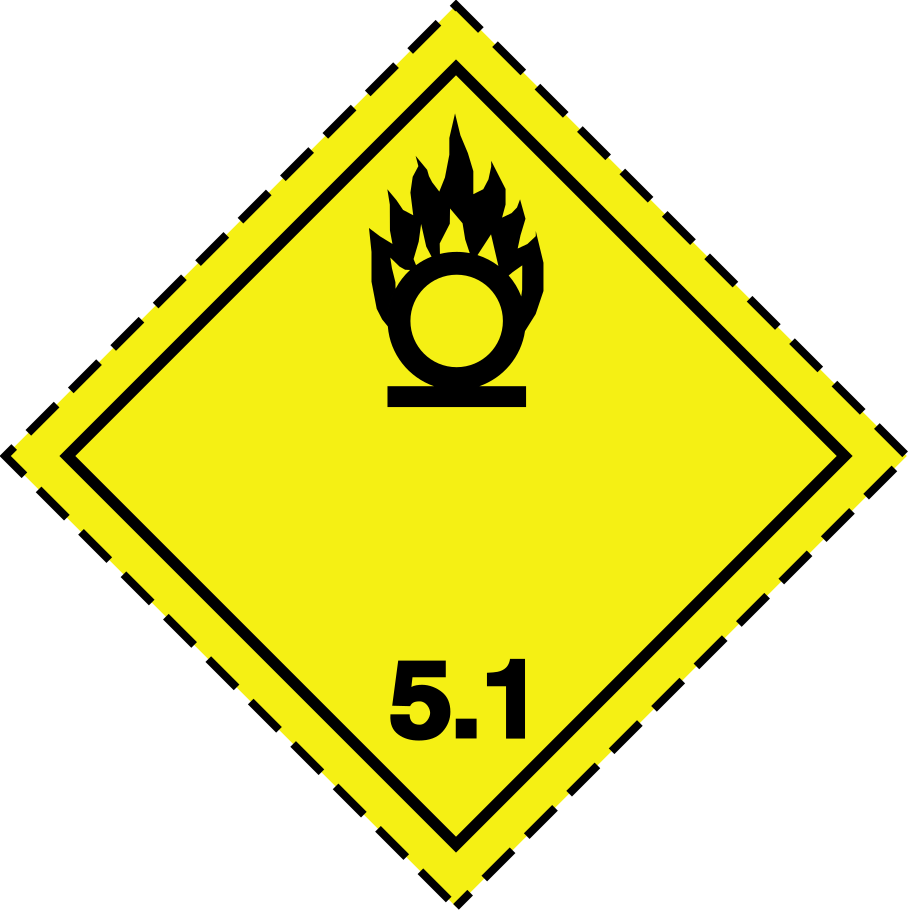
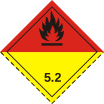
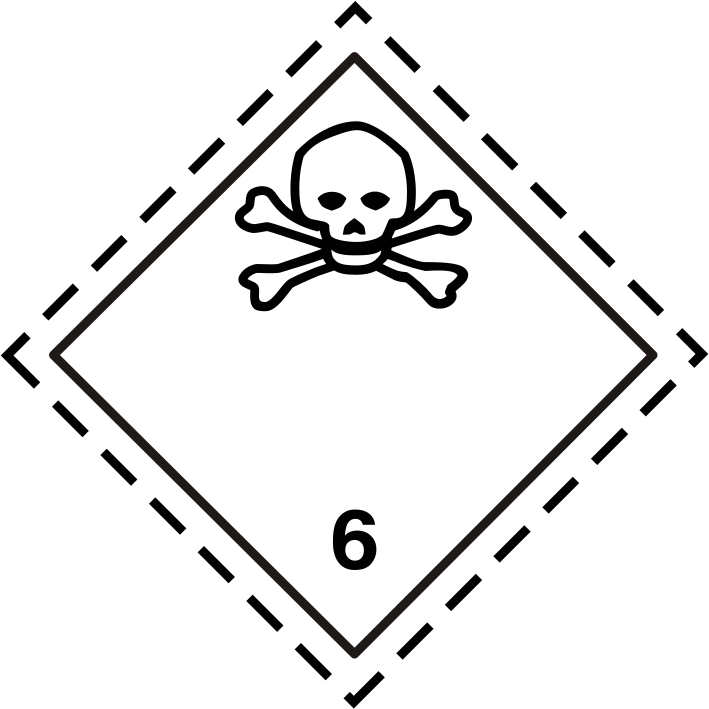
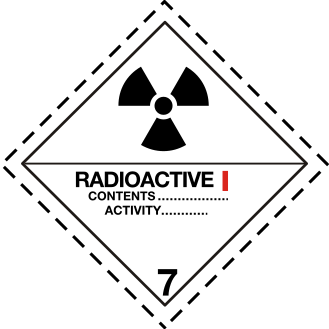
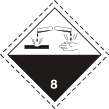
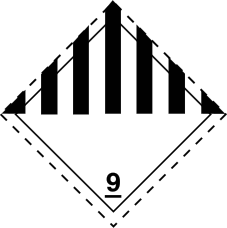
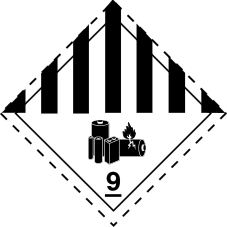
Dangerous goods are split into nine classes by their main hazard. The numbering comes from the UN Model Regulations and is the same in the IMDG Code (sea), IATA DGR (air), ADR (road) and RID (rail).
The nine classes
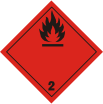
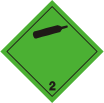
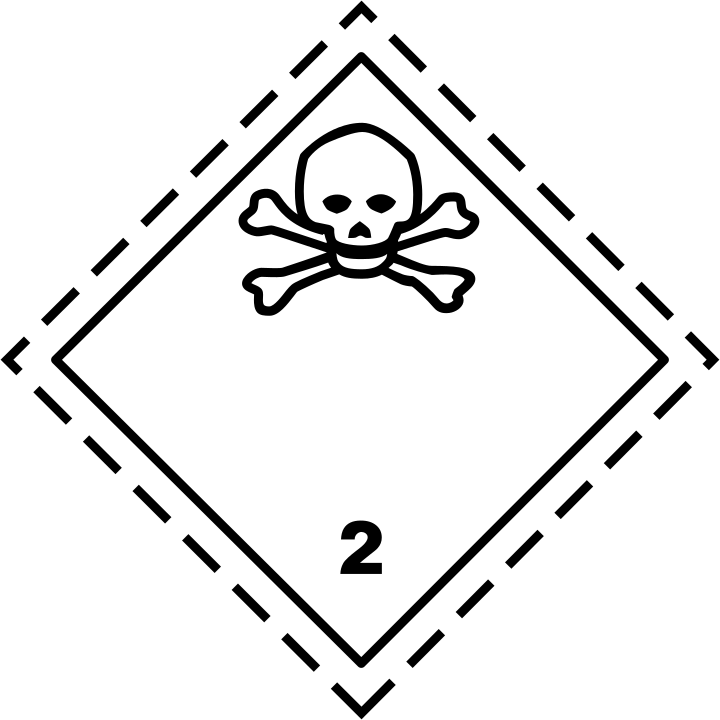
Order of the numbers is not the order of danger. Each card shows the hazard labels used on packages for that class.
Class 1: Explosives
1.1 to 1.31.41.51.6
Division 1.1Substances and articles which have a mass explosion hazard
Division 1.2Substances and articles which have a projection hazard but not a mass explosion hazard
Division 1.3Substances and articles which have a fire hazard and either a minor blast hazard or a minor projection hazard or both, but not a mass explosion hazard
Division 1.4Substances and articles which present no significant hazard
Division 1.5Very insensitive substances which have a mass explosion hazard
Division 1.6Extremely insensitive articles which do not have a mass explosion hazard
Typical cargo: Fireworks, ammunition, detonators, airbag inflators (some are Class 9).
No packing groups
Class 2: Gases
2.12.22.3
Division 2.1Flammable gases
Division 2.2Non-flammable, non-toxic gases
Division 2.3Toxic gases
Typical cargo: LPG and aerosols (2.1), nitrogen and CO2 (2.2), chlorine and ammonia (2.3).
A booking needs the UN number, proper shipping name, class, packing group and, for sea, the IMDG declaration. Lines accept or refuse per class and port.
Lithium batteries are Class 9 but have their own UN numbers (UN 3480, 3481, 3090, 3091) and extra rules by air.
See Container Types for tank containers used for liquid dangerous goods.