

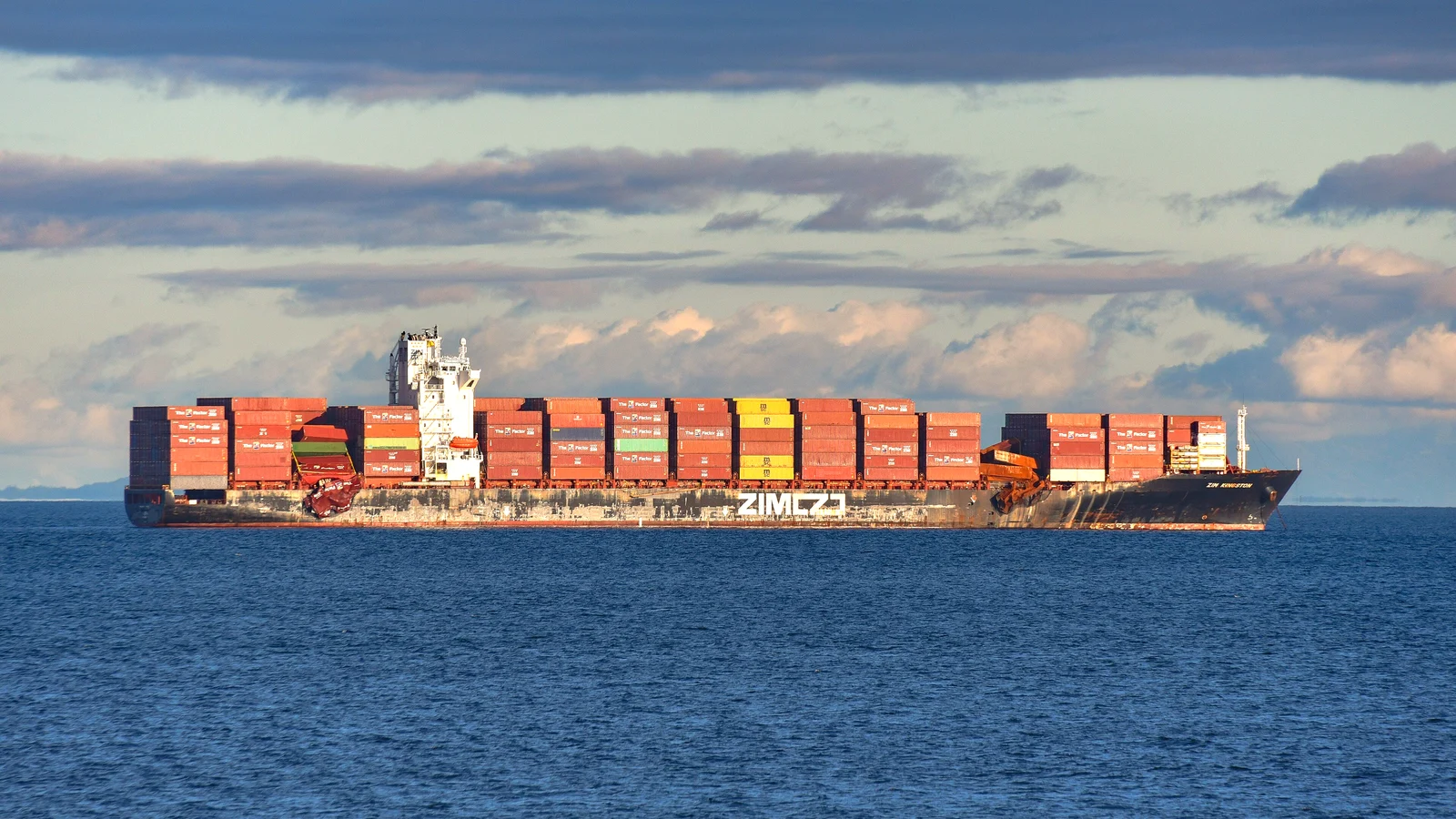
Marine insurance transfers the risks of a shipping venture from everyone concerned in it to the insurer. The risks in question hit the ship, the cargo and every party with a stake in the trip, and the insured also answers to third parties. Where cargo is concerned, cover begins the moment the goods are delivered to the carrier and runs until they are re-delivered to the receiver.
What kind of contract this is
The contract is onerous, which means it creates obligations. It is also aleatory, because it depends on contingent events, and reciprocal, because each party is bound to the other.
The terms and conditions have to be written into the marine insurance policy. Issuing the policy can happen at signing or at a later point. As evidence that the contract exists, an insurer typically provides a letter of intent for hull and machinery cover and an insurance certificate for cargo. The policy can name a party, be made out to order or to a holder, and it never counts as a title of credit.
Ship, equipment and cargo cover
Shipowners buy hull and machinery insurance for the vessel. Alongside it sits P&I cover, which picks up damage the hull and machinery policy leaves out, and shipowners get it by joining a P&I club or several, associations created for exactly this. Containers, chassis and similar equipment fall to the Through Transport Club, which is a P&I club focused on that kind of cover. The cargo itself is insured by the shipper.
Hull and machinery insurance pays when the ship is lost outright, and it pays for partial damage. Third-party liabilities fall under it too, along with the ship’s equipment and outfits, provisions and stores for officers and crew, and on specialized vessels whatever special fittings they need.
The P&I side has its own list: cargo damage arising from the B/L contract, liability toward third parties (stevedores, for instance), crew sickness, fines landing on the shipowner, and similar items.
Cargo covers, and where they stop
Fire, collision, pilferage and other external causes sit inside all risks cover. Acts of war are usually excluded, and so are strikes and riots, unless an endorsement brings them back in. Total loss cover applies when the goods are wrecked outright, or when what reaches the destination is unusable and bears no resemblance to the goods that were insured.
Particular average is a partial loss that happens fortuitously. Free of particular average covers come in several forms. The basic one pays for total loss, for the contribution owed in a general average, and for cargo that fell overboard. A second form is free of particular average except where the loss comes from fire, collision with a ship or craft, collision with a structure (fixed or floating) or submersion. A third is built for cargo on deck: it covers total loss, average contribution and loss caused by rough seas, but only aboard specialized ships, container carriers and Ro/Ro among them. Conventional vessels are outside it. Last comes the special policy, which also includes particular average.
Containers have their own rules, the Institute Container Clauses-Time 1987, established by the International Underwriters Association, which groups British insurers, and accepted everywhere. Cover on containers can be bought in the insured’s own name, on behalf of third parties, or for whom it may concern. With that last option, the beneficiary can be traced through the bill of lading for the carriage.
CIF and CIP sales: 110% and the paperwork behind it
In a CIF or CIP sale the letter of credit sets the terms: the seller (the exporter) goes to an insurer for cover, then endorses the policy to the buyer (the importer) or to the issuing bank. The insured amount is the cargo’s value on CIF or CIP terms, sea freight and premium included, plus 10% as expected profit. Where that value can’t be determined, the sum insured is set at 110% of the amount guaranteed under the letter of credit.
Marine cargo insurance has to follow what the letter of credit says. The policy should carry a date no later than the shipment date, and it should name the liquidator, or that person’s agent, at the destination port.
When cargo is damaged, the beneficiary, meaning the receiver or a bank, is paid at destination once it hands over the surveyor’s report, the insurance certificate and the full set of export documentation. After settlement the beneficiary declares that the claim was paid in full. From that point the insurer can go after the carrier through recourse under subrogation for at least a share of the sum paid, provided the carrier turns out to be liable for the damage.
General average
It is a separate matter from particular average. The York-Antwerp Rules (1974 revision) set the test in Rule A: a general average act exists only when somebody deliberately and reasonably makes an extraordinary sacrifice or spends extraordinary money for the common safety, to pull the property in a shared maritime adventure out of danger. In practice that gives five conditions. The loss is extraordinary, reasonable and deliberate, it serves the common benefit, and it happens at a time of general peril.
Typical cases: a vessel run aground deliberately so it won’t sink, cargo damaged by salt water poured on a fire, hiring salvage help, or diverting to a port of refuge when the machinery breaks down or another peril appears.
If the voyage ends well and the ship survives, everyone with something at risk on board pays a proportional share of the loss: the shipowner, any charterer due to collect freight, cargo owners, shippers and receivers. Parties who came away undamaged or carry no insurance pay too. Sharing proportionally means nobody gains at another’s expense, and the sacrificed property is left exactly where it would have stood had other property been given up instead. Even a party shown to have caused the event must contribute. Cover for the general average contribution can be added to the insurance, and the insurer then reimburses each party the amount it paid.
P&I clubs
Shipowners form P&I clubs to insure one another mutually against risks that the hull and machinery policy does not take on. As a rule the clubs also refund damages owed to third parties. Each is split into three branches.
Protection takes responsibility for injuries to people who are not crew members, along with harm done to other vessels or to structures in port. Indemnity takes cargo shortages, cargo damage and pollution, general average contributions, legal expenses, and fines triggered by the discovery of stowaways. It also refunds the repatriation costs of sick crew members and fines imposed for illegal actions by the master or crew. Defence supplies legal assistance whenever the vessel’s or the owner’s interests need protecting. Cover starts when a shipowner joins a club.
Each year members pay contributions into a common fund. If payouts exceed the fund available, members are asked for additional contributions. Any amount left at the end of the year is returned to all members in proportion. Large shipping lines commonly belong to several clubs, which lets them split their contributions conveniently and still get adequate cover.
Most of the market sits in one place. Twelve clubs form the International Group of P&I Clubs, and together they insure about 87% of the world’s ocean-going tonnage. Many of them are British or Scandinavian, a trace of where modern shipping law grew up. Familiar names include the UK P&I Club, Britannia, Gard, Skuld, NorthStandard, the American Club and the Japan P&I Club. Next to them sit specialist mutuals that are not P&I clubs in the strict sense. TT Club insures ports, terminals and logistics operators, and ITIC covers ship agents, brokers and other intermediaries.