

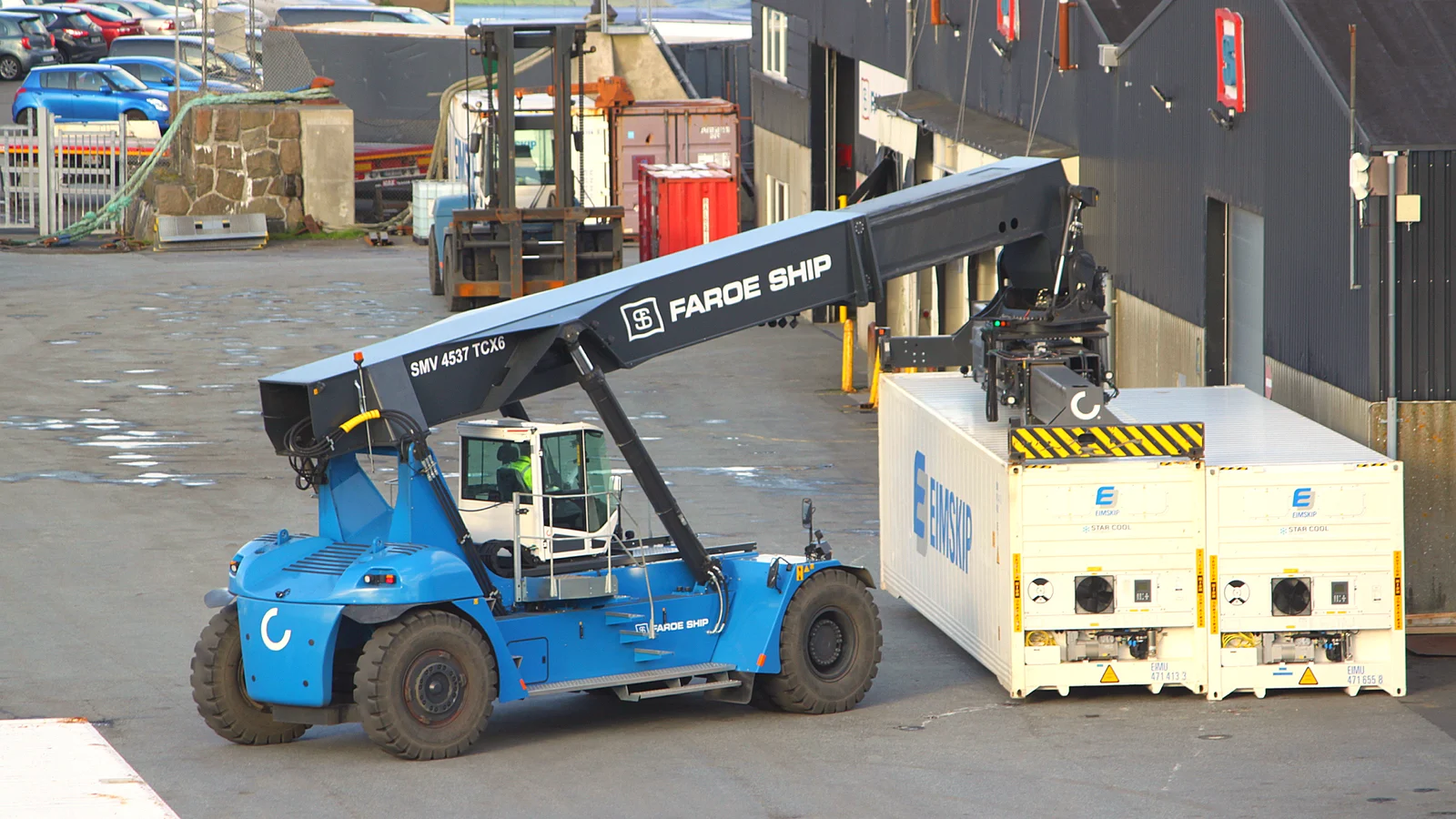
A container sitting on a quay in summer is an oven. The same box in midwinter on a rail flat can run close to freezing. Between the two sit your goods, plus humidity, vibration, and however many days the transit takes. Container insulation is what stands between cargo and all of that: it regulates temperature, keeps condensation under control, and preserves the quality of what you promised to deliver.
What Insulation Actually Does
At its core, insulation controls heat transfer. External temperatures swing hard across climates and transport modes, sometimes within a single journey. Without a thermal barrier, temperature-sensitive goods degrade or spoil outright. And here’s the part shippers underestimate: even cargo with no special temperature needs suffers. Wood warps. Packaging softens or cracks. Condensation finds its way in. Insulation slows the rate of temperature change inside the box rather than holding it at a fixed number, and slowing change is usually enough.
Cold Chain Workhorse
Food, pharmaceuticals, chemicals, industrial materials. These are the cargoes where insulated containers, liners, and packaging earn their keep, holding required temperature ranges, often alongside refrigeration or controlled atmosphere systems. In cold chain logistics, insulation does quiet, unglamorous work: it reduces how hard the active cooling has to run, improves energy efficiency, and acts as a backup when a mechanical system fails. A reefer unit that dies mid-ocean makes the value of that buffer obvious fast. In regulated industries, temperature stability is a compliance requirement.
Condensation Inside the Box
Temperature fluctuations cause condensation inside containers. The CTU Code (MSC.1/Circ.1497, Annex 3) explains the mechanism: boxes stowed on top of the deck stow can see daily temperature swings of more than 25 °C, and as the roof cools in the late afternoon the air beneath it hits its dew point and “container sweat” drips onto the cargo. Moisture drips onto electronics, paper, textiles, and metal, and the damage follows: corrosion, mold, packaging that gives out under the damp. Insulation limits the temperature differential between a container’s interior and exterior, which is what triggers condensation in the first place. In practice it rarely works alone; effective moisture management typically combines insulation with desiccants and vapor barriers.
Inside the Box Itself
Steel conducts heat rapidly, which is precisely the problem. An insulated shipping container attacks this with panels, linings, or integrated systems built into the structure; a thermal liner does a lighter version of the same job inside a standard dry box. Retrofitting an existing container costs less than replacing it, which makes the upgrade practical for specialized freight or repeat routes.
Where the Money Shows Up
Energy is the obvious line item. Insulation reduces the workload on cooling and heating systems, which lowers energy consumption and operating costs. Small gains compound over long distances. It also stabilizes temperatures during the awkward moments: loading, unloading, temporary storage. Fewer temperature excursions means fewer insurance claims, fewer delays, and less reputational damage, since temperature extremes and moisture rank among the most common causes of cargo damage. Customers notice the difference, and the returns show up measurably in lower claim rates. Sustainability targets get easier to defend, too, because insulation cuts the fuel burned for cooling.
Paperwork, Penalties, and the Multimodal Gap
Pharmaceuticals, food, hazardous materials: these sectors demand documented temperature control, full stop. Insulation supports due diligence, quality assurance protocols, and contractual obligations. When it fails, shipments get rejected, regulators impose penalties, and accreditations can disappear.
Then there’s the handover problem. Road, rail, sea, and air each bring their own challenges, and cargo rarely travels a single mode. Refrigerated trucking hands off to sea freight, and port handling exposes the load to ambient conditions nobody controls. Continuity of protection across those transitions is what insulation provides, and tracking the container through each handover shows you where it sat and for how long; it buffers the variations between legs. In multimodal logistics, that buffer often determines whether the delivery arrives intact.
A Quick Container Insulation Checklist
Before you book, run through these points with your forwarder or packer:
- Cargo sensitivity. Is there a required temperature range, or is the risk mainly moisture? Temperature-controlled goods need an insulated or refrigerated unit; moisture-sensitive goods may only need a liner plus desiccants.
- Route and dwell. List every mode change and where the box will wait on a quay or rail yard. Those exposed hours are where most excursions happen.
- Moisture at packing. The CTU Code names the cargo itself, timber dunnage, pallets and packing in rain as the main humidity sources. It gives thresholds: relative humidity below 75% prevents mould growth, below 40% prevents corrosion of ferrous metals.
- Liner or insulated unit. Match thermal performance, weight and installation method to transit duration and climate, and have it fitted by someone who has done it before.
- Evidence. Agree who records temperature and condition at handover, so a claim does not rest on guesswork. Our CTU Code packing checklist covers the rest of the stow.
Choosing Without Guessing
Thermal performance, moisture resistance, weight, durability, installation method. Those are the variables, and the right answer depends on cargo type, transit duration, climate, and applicable regulations. Generic products rarely fit well. Talk to specialists before you buy, because proper specification and installation matter as much as the material itself; an insulation system installed badly delivers little of its rated performance.
The Longer View
Yes, there’s an upfront investment. Against it sit lower energy use, lower damage rates, and efficiency gains that accumulate over every subsequent shipment. Supply chains keep getting more complex and expectations keep rising with them. Treat insulation as a strategic asset, one that carries protection, compliance, efficiency, and cost control in the same purchase, and over time the savings generally cover the initial cost.
Frequently asked questions
What does container insulation do?
Container insulation slows heat transfer through the steel walls, so the temperature inside the box changes more slowly than outside. It does not hold cargo at a fixed temperature on its own, but it narrows the swings between day and night and between transport legs, which reduces condensation, packaging damage and the load on any refrigeration unit.
Why does condensation form inside shipping containers?
Moisture comes mainly from the cargo itself, timber dunnage, pallets and packaging, or from packing in rain or high humidity. When the container roof cools, for example in the late afternoon, the air under it reaches its dew point and water condenses into drops that fall onto the cargo. The CTU Code calls this container sweat.
Does insulation replace a reefer container?
No. Insulation only slows temperature change. Cargo that must stay within a set range, such as frozen food or many pharmaceuticals, needs an insulated and temperature controlled unit that can be refrigerated or heated. Insulation still helps inside a reefer by cutting how hard the unit runs and buying time if it fails.
What humidity levels cause cargo damage in containers?
The CTU Code (MSC.1/Circ.1497, Annex 3) gives thresholds: relative humidity of 75% or more increases the risk of mould on organic goods such as food, textiles, leather and wood, and 40% or more increases the risk of corrosion of ferrous metals. At 100% water condenses. Daily temperature swings push humidity across these lines.