





















The U.S.-China Economic and Security Review Commission wants Congress to declare China’s detentions of Panama-flagged ships economic coercion, and to direct the Federal Maritime Commission to investigate the pattern and report within 90 days. Recommendation 7 in its 2026 list of recommendations, published on 18 November, also asks Congress to authorise the President to take “all necessary and appropriate economic actions” to counter China and support the Government of Panama, including through existing sanctions authorities and referrals to the International Maritime Organization “to establish a record of China’s weaponization of port access.”
ShipUniverse put the status plainly: the recommendations have not themselves enacted sanctions or opened a new FMC investigation.
26 March and 7 July: two DiBella statements
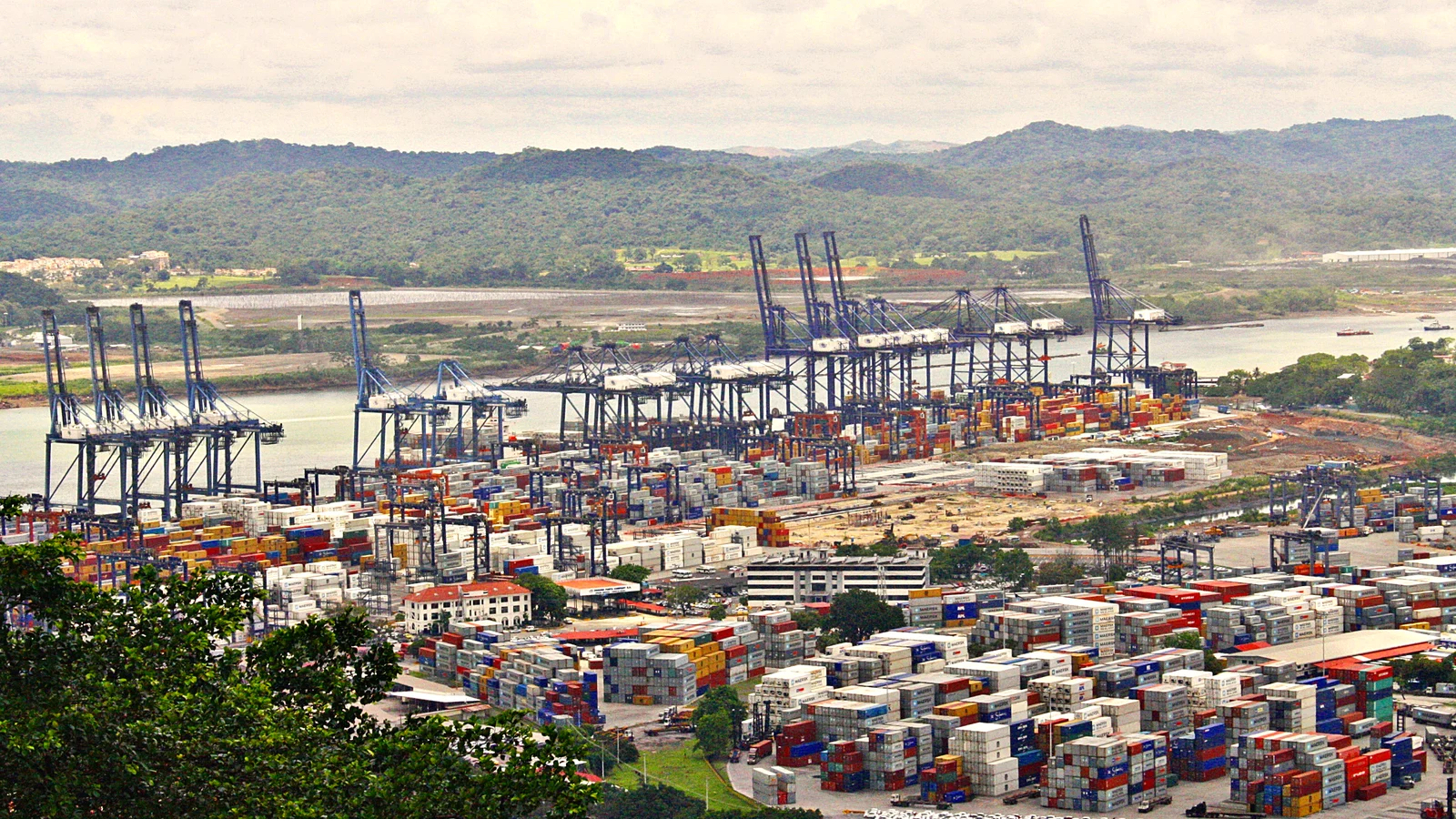
The dispute began at the two ends of the canal. Panama’s Supreme Court invalidated the framework behind the 1997 concessions held by a CK Hutchison subsidiary at Balboa, the Pacific terminal, and Cristóbal, the Atlantic terminal. APM Terminals, the Maersk arm, took over Balboa and Terminal Investment Limited, the MSC arm, took over Cristóbal, each expected to run its terminal for up to 18 months while Panama drafts a new concession. Hutchison answered with arbitration claims that could exceed $2bn. The detentions in Chinese ports came next. On 26 March, gCaptain reported, FMC Chairman Laura DiBella said the Commission was watching a surge in inspections and detentions of Panama-flagged ships in Chinese ports that appeared to go well beyond normal port state control.
By 7 July her second statement said the inspections had continued “with no sign of abatement” and called them retaliatory. Panama-flagged ships, she wrote, “carry a meaningful share of U.S. trade”. She also pointed to the laws the Commission administers: they let the FMC investigate whether foreign practices create conditions unfavorable to shipping in the foreign trade of the United States, and an investigation of conduct in Chinese ports could result in remedial measures, including measures affecting Chinese-controlled carriers operating in U.S. trade.
The footer says the views are hers, not necessarily the Commission’s. The USCC reports to Congress, and its ask is addressed to Congress.
From 140 detentions in May to 16 in July
Panama’s own figures, as Splash247 relayed them, show Chinese ports holding 16 Panama-flagged vessels in July after 140 in May; The Deep Dive counts 17 for the first three weeks of July, close to the 21 a month seen before the crackdown. In July, 10% of inspections ended in a detention, against 37% at the peak. Splash247 adds that Asia-Pacific inspection data put Panama-flag detentions between March and June at 431, more than four times the level of a year earlier. China maintains that the detentions of Panama-flagged ships rested on safety deficiencies. Splash247 reported in July a consensus between the two countries on renewing the maritime transport agreement that gives Panamanian ships port advantages in China, and The Deep Dive places the talks in Beijing on 16 and 17 July. The USCC’s annual report says Beijing reportedly let that agreement expire over domestic “procedural issues”, and calls its status unclear.
The commission tells the story from the other end. Its executive summary says that within weeks of the court ruling COSCO walked out of Balboa and Chinese authorities detained nearly 500 Panama-flagged vessels, driving 230 ships off the registry within two months. The Splash247 figures count the nearly 500 as a total since January, with the peak in May, so the commission’s two months may compress a longer campaign. Either way the recommendation lands after the peak of the China detentions of Panama-flagged ships. By July the monthly count was back near its old level.
What a shipper can act on today
Ask the carrier whether the vessel on a booking sails under the Panama flag on a China call. The July figures mix counts of vessels (16 for the month from Splash247, 17 for its first three weeks from The Deep Dive, two counts that do not match) with a 10% share of inspections, so they say little about the odds of a delay on one sailing. The larger exposure is the carrier. DiBella lists measures affecting Chinese-controlled carriers in U.S. trade as one possible remedy, and in this reading that could reach importers whose bookings sit with those lines. Schedules on the lane are the place to see which lines sail it.
DiBella’s statement says the laws the FMC administers empower it to investigate such practices, which suggests no new legislation is needed to start. The 90-day reporting window in Recommendation 7 applies only if Congress directs a probe, and as she describes the law, an investigation first looks at whether conditions unfavorable to U.S. shipping exist and only then at remedies. The figures stop at July. No source here reports the autumn count, so how far China detentions of Panama-flagged ships have fallen since is unknown.