





















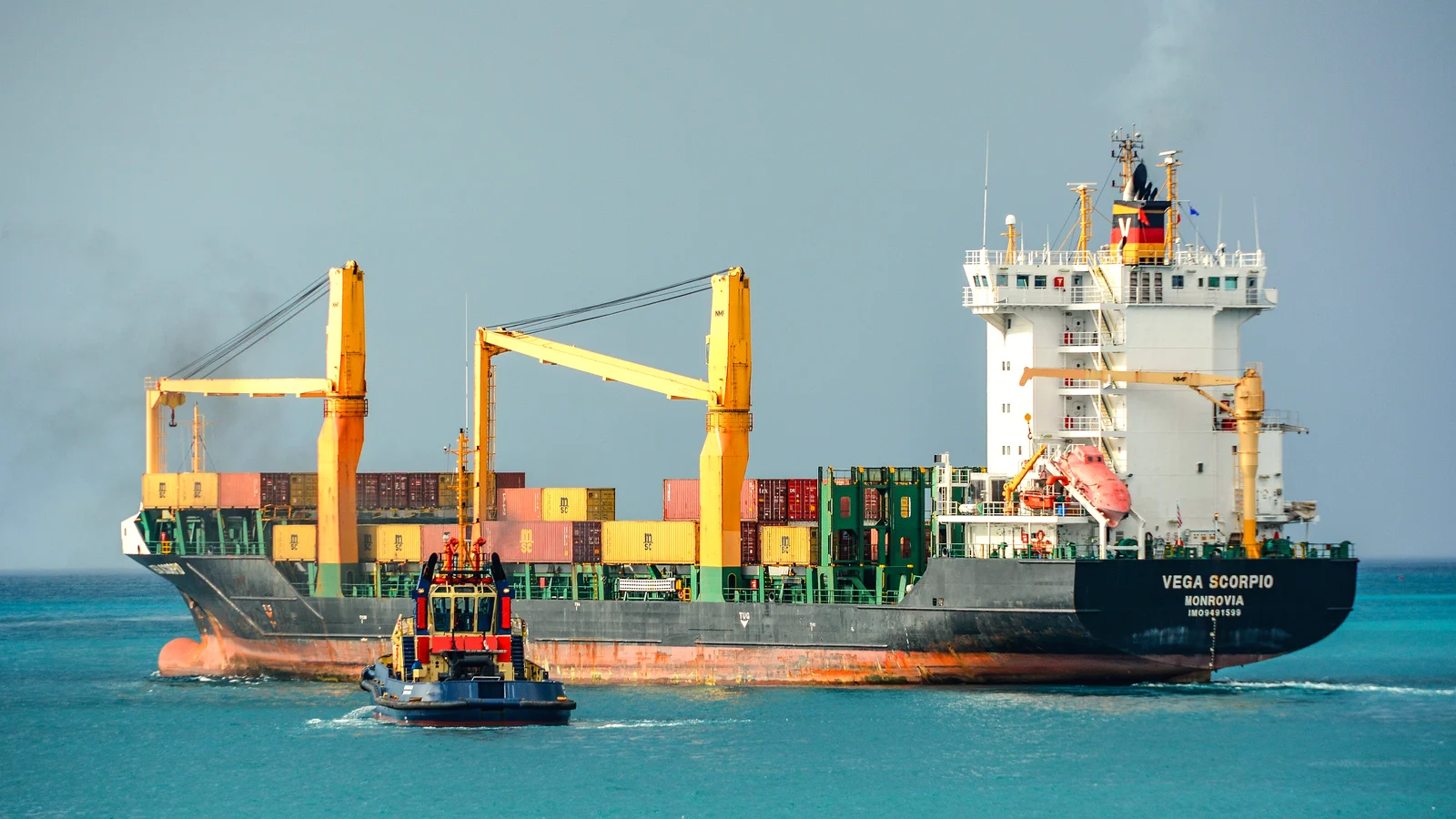
Total losses of vessels over 100GT fell from 555 in 2016-2020 to 350 in 2021-2025, an average of 70 a year, and Allianz Commercial puts the drop at 37% in its Safety and Shipping Review 2026. Reported incidents also fell, from 3,353 in 2024 to 2,818 in 2025. Fewer ships lost does not mean fewer questions for the underwriter, and marine insurance emerging risks are what those questions are about. Allianz and the IMO write about cyber attack, older ships in harsh waters and autonomous operation.
Marine insurance emerging risks and what the old ones leave behind
Machinery damage caused 1,505 of last year’s incidents, collisions 260 and fires or explosions 218. Allianz counts incidents by cause, and these are three of its 2025 counts. How hull, cargo and P&I cover fit together is a separate question. Allianz’s 2025 counts show no separate line for cyber attacks on ships.
Allianz recorded more than 200 fire incidents in 2025, down on 2024 but still the second highest total of the decade. It also links lithium-ion batteries, in electric cars and in consumer goods inside containers, to several large fire claims. Allianz also notes that bigger ships push up general average claims, and that contributions to cover losses can be as high as 50% of cargo value.
A virus and a clause
In June 2017 the NotPetya malware hit some 2,000 organizations in 65 countries, and Allianz recounts that Maersk had to reinstall 4,000 servers, 45,000 computers and 2,500 applications, with business losses in excess of $300 million. The LA Times reported in August 2017 that for up to two days affected terminals could not move cargo.
The cyber wording in cargo clauses is short. Clause 1.1 of the Institute Cyber Attack Exclusion Clause, CL 380 of 10 November 2003, removes loss, damage, liability or expense caused by the use of any computer, malicious code or computer virus “as a means for inflicting harm”, with a carve-back in clause 1.2 for weapon and missile systems when the clause is endorsed on war-risk policies. The LMA5403 endorsement of 11 November 2019 keeps the exclusion, names a computer process in paragraph 1, and adds a paragraph 2, which says the indemnity is not prejudiced when a computer system is used for some other purpose than harm, subject to the conditions, limitations and exclusions of the policy.
CL 380 already limits itself to use “as a means for inflicting harm”, and LMA5403 spells that out in its paragraph 2. For a shipper the practical order of questions is short. Which wording is attached to the cargo policy, CL 380, LMA5403 or neither? Is the clause endorsed on a war-risk policy, where the carve-back applies? And if a port terminal is down for up to two days, as in 2017, who answers for the delay, since the exclusion speaks of loss caused by a cyber attack and neither clause mentions delay?
Autonomous ships and the rulebook
The IMO adopted its MASS Code, resolution MSC.595(111), in May 2026, and it took effect on 1 July 2026. It is non-mandatory. To qualify as a MASS, a ship must have completed the approval process and hold a valid MASS Safety Certificate. The IMO says the number of fully crewless or remote-operated ships is currently limited, though a growing number are being trialled internationally.
Allianz also names satellite navigation. Jamming and spoofing of satellite navigation raise collision and grounding risks and add liability questions, according to its Maritime trends to watch 2026 webinar deck. Older ships working in hostile waters such as the Arctic, as Allianz’s review is summarized, can produce much higher claims. The average fleet age reached 23 years in 2025.
Lateness is not rare. In a query of the Navo tracking API on 17 November 2026, one account’s list held 1,103 active containers with an expected arrival date, and 201 of them were already past it, 128 by 7 days or more. The data says nothing about the cause of those delays. For a cargo owner the point is narrower: a late box is a cheap question to answer on the tracking page, and which cyber wording sits on the policy is the harder one.
Frequently asked questions
When did the MASS Code take effect?
The IMO gives 1 July 2026 as the date the MASS Code took effect, which is after its adoption as resolution MSC.595(111) in May 2026.
Who answers on a ship with a remote operator?
The IMO says the roles and responsibilities of the master, remote operators and onboard crew need to be regulated according to the ship's level of autonomy.
How many container ships are 20 years old or older?
Upply, summarizing Allianz Commercial, reports that vessels 20 years or older now account for almost a quarter of the global container ship fleet.