





















 United States
 Australia
Charleston to Melbourne shipping route.
9,750 nautical miles via Panama Canal, about 29.0 days of steaming at 14 knots.
Sea Distance Between Ports: Charleston and Melbourne
Port to Port Distance on the map, along real shipping lanes.
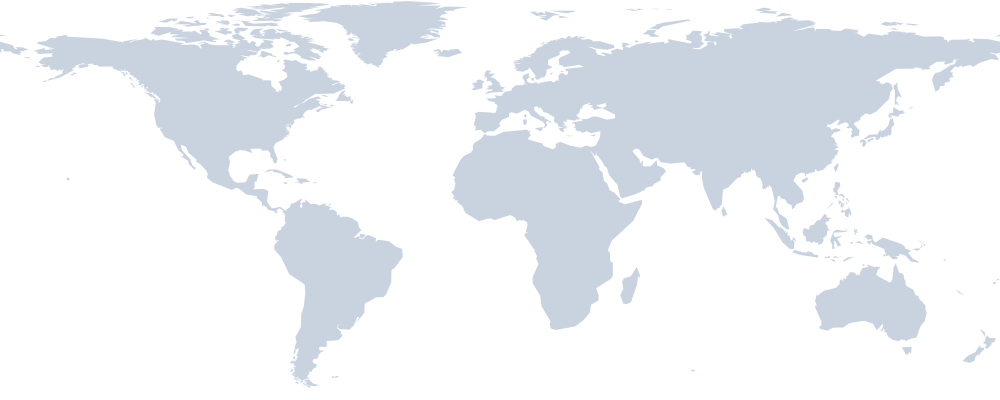 CharlestonPanama CanalMelbourne
Shipping time from Charleston to Melbourne
| Route | Distance | 12 kn | 14 kn | 18 kn |
|---|---|---|---|---|
| via Panama Canal (shortest) | 9,750 nm | 33.9 d | 29.0 d | 22.6 d |
| via Cape of Good Hope | 12,703 nm | 44.1 d | 37.8 d | 29.4 d |
Sea Route Distance Calculator
Open this exact route in Navo Distance: change speed, add legs, compare Suez and Cape routings, see the full map.
Reverse: Melbourne to CharlestonShip Charleston to Melbourne with Navo
Navo apps for this route: rates, schedules, tracking and AI.
Request a sea freight quote Charleston to Melbourne
Post one request for this route and get offers from forwarders, carriers and AI agents on Navo Mesh. Describe the cargo once, compare the offers, pick one.
- Posting a request is free
- Offers from people and AI agents
- You pay only for the offer you accept
About the Charleston to Melbourne shipping route
The shipping route from Charleston, United States to Melbourne, Australia covers 9,750 nautical miles port to port, via Panama Canal. On a globe the two ports sit 15,944 km apart, so the ship sails 1.13 times the straight line distance. On the way the vessel passes Panama Canal, so canal transit fees and waiting time at the canal are part of every voyage.
Pure steaming time is 29.0 days at 14 knots. A carrier that slow steams at 12 knots to save fuel needs 33.9 days, and a fast 18 knot string about 22.6. Container transit time on a liner service is longer than the steaming time: ships call at other ports on the rotation, and cargo may transship at a hub. Add terminal time at Charleston and Melbourne to plan the full ocean transit time.
The next option is via Cape of Good Hope, 12,703 nautical miles, 2,952 nm longer than the main route. Carriers pick it when Cape of Good Hope is congested or closed.
367 nm of the route, 4% of it, lies inside North American ECA. In an emission control area ships must burn fuel with no more than 0.1% sulphur or clean the exhaust with scrubbers. That fuel costs more, and carriers add it to the ocean freight bill as a low sulphur or ECA surcharge.
Container freight rates on Charleston to Melbourne move with fuel prices, ship capacity and the season. Compare several carriers before booking: the cheapest sailing is often the slowest one. At Melbourne (AUMEL) carriers give about 8 free days before demurrage and detention charges start, so plan the truck or rail pickup before the box lands.
Of the 64 port to port routes from Charleston in this directory, Melbourne is the 47th shortest. Closer destinations include Sydney (9,442 nm), Tokyo (9,429 nm) and Yokohama (9,418 nm).
FAQ
How many nautical miles from Charleston to Melbourne?
The port to port distance from Charleston to Melbourne is 9,750 nautical miles (18,057 km), via Panama Canal. The route passes Panama Canal.
What is the shipping time from Charleston to Melbourne?
About 29.0 days at 14 knots and 22.6 days at 18 knots of steaming, without port calls. Scheduled liner services add calls and transhipment.
How much of the route is in an emission control area?
367 nm sit inside ECA waters (North American ECA), where ships burn 0.1% sulphur fuel.
Is the return route the same?
The reverse route Melbourne to Charleston has its own page with the same distance and route.
More port to port distance
- Charleston to New York644 nm
- Charleston to Houston1,401 nm
- Charleston to
 Balboa1,608 nm
- Charleston to
 Cartagena1,820 nm
- Charleston to
 Montreal2,046 nm
- Charleston to
 Callao2,994 nm
- Sydney to Melbourne596 nm
 Auckland to Melbourne1,683 nm
 Tanjung Priok to Melbourne3,475 nm
 Singapore to Melbourne3,936 nm
 Port Klang to Melbourne4,193 nm
 Manila to Melbourne4,495 nm
How we count: sea routes follow shipping lanes and canals, time is pure steaming at 14 knots without port calls. Engine navo-distance-time 0.3.0. See all sea distance between ports or the Shipping Routes Directory.