





















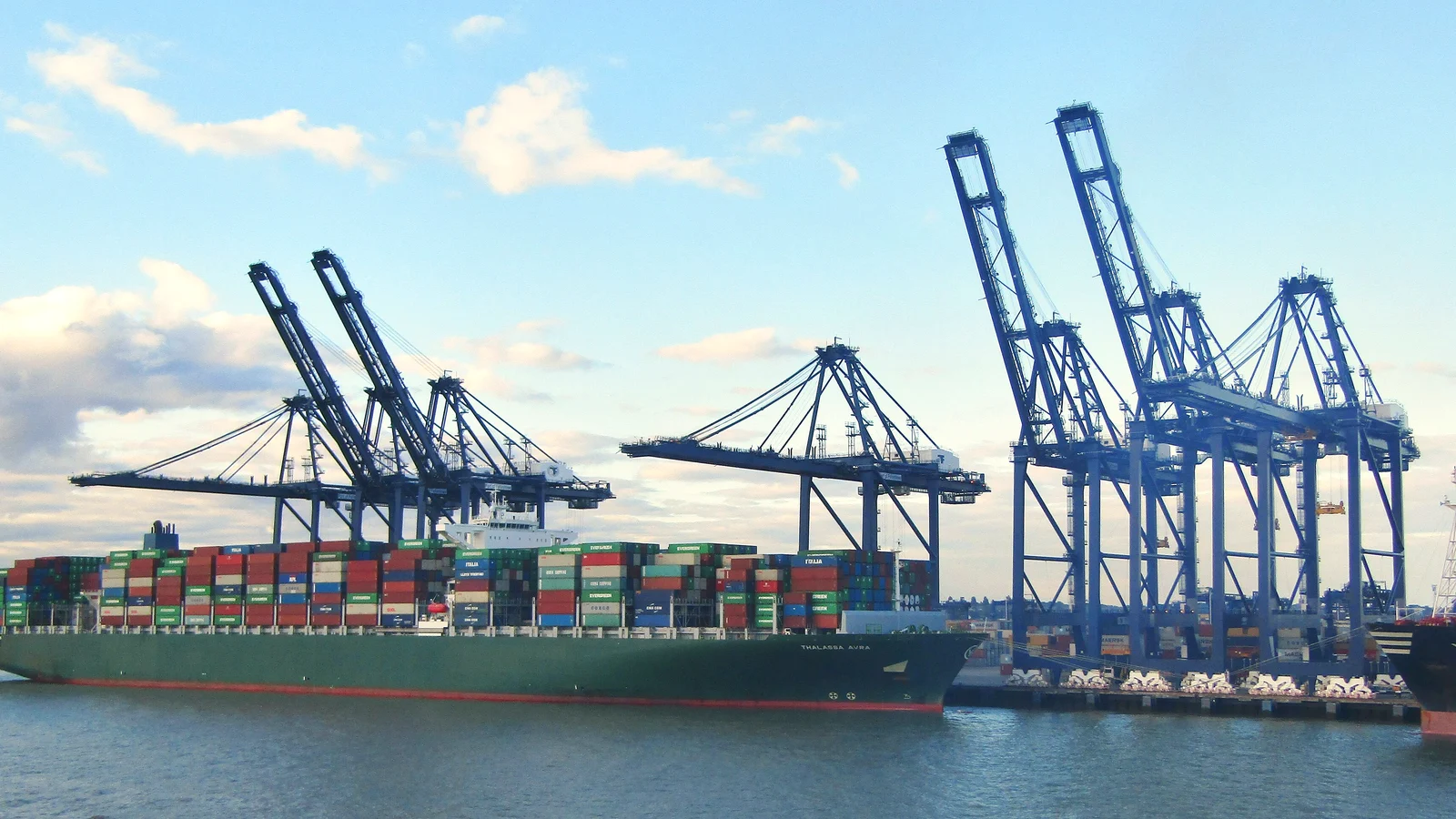
Vietnam and the UK sit on opposite ends of the earth, separated by an ocean that has never once cared about your delivery deadline. Every country writes its own import rules, and what clears customs without a hitch in one place gets stopped cold in another. Before shipping from Vietnam to the UK on a route this long, you need a real sense of what you’re paying, how long it takes, and what paperwork UK customs will expect to see.
What Actually Drives the Price
Air freight almost always costs more than sea freight, though small packages sometimes fly cheaper than they sail. The full list of variables behind your final number: how much you’re shipping, its weight and dimensions, what the goods actually are, and which mode carries them. Insurance matters too, and so does the time of year. High value cargo needs a high insurance premium, which raises the total. And if your goods can’t fill a container on their own, LCL, less than container load, usually beats booking a full one.
Comparing live freight rates for your origin, destination and ship date does most of this math. As a rule of thumb, ocean FCL booked outside peak season comes out cheapest on this lane.
Timing It Right
The window to watch is roughly eight to ten weeks before the holidays hit retail shelves, mid-August into mid-October. Demand rises during that stretch, and with less container space available, prices climb accordingly. Shipping outside that window costs less.
Timing within the month matters as well. Carriers tend to offer better rates in the last two weeks, when they’re trying to fill remaining vessel space, while bookings made at the start of a month are more likely to hit a General Rate Increase. Booking early helps, though it’s only one factor among several that shape the final price.
How Long the Journey Actually Takes
Door to door, a shipment from Vietnam to the UK can take up to 64 days, depending on the ports at either end, what’s being shipped, and how it travels. Air is by far the fastest option, landing at a UK port in 3 to 5 days. Ocean freight takes considerably longer, up to 35 days port to port. FCL also beats LCL on speed, simply because of how much less loading and unloading is involved at each end.
Broken down by method:
- Sea FCL: 30 to 35 days port to port, 58 to 62 days door to door.
- Sea LCL: 30 to 35 days port to port, 59 to 64 days door to door.
- Air cargo: 3 to 5 days port to port, 6 to 14 days door to door.
Getting An Actual Quote, and Packing the Container
Rates on this lane vary enough that guessing rarely gets you close. Compare different freight journeys side by side, including how each shipment gets processed, how long transit takes, and a cost breakdown for every leg. Want something more specific? Request a tailored quote with your commodity type, HS Code, and weight, and a forwarder will follow up with options.
Packing deserves just as much attention as pricing. Weight, dimensions, and the packaging material itself all factor in. A load planner walks through all of it, asking what equipment you need, your cargo’s dimensions, and your shipping method, then shows your cargo loaded into the container you’ve chosen, along with total volume and weight.
Paperwork UK Customs Will Ask For
Properly packaged and labelled cargo is what gets a shipment through UK customs clearance without delay. Certain goods also need an importation permit on top of the standard paperwork. The UK government’s guide to importing goods covers the importer’s side, from the EORI number to the customs declaration.
Documents you’ll need:
- Commercial Invoice
- Packing List
- Bill of Lading
- Certificate of Origin
- Letter of Credit or other agreed payment terms
Dangerous goods and a few other regulated categories call for an extra permit on top of that list.
Insuring the Container: Do It
Insure the cargo. If a shipment gets damaged or goes missing in transit, insurance is often what stands between you and a total loss. Coverage is available through the freight forwarding community, or a third party insurance agent. Expect the premium to land somewhere between 0.3% and 0.5% of what your invoice is worth.
Ports Worth Knowing
Whoever runs your factory or supplier relationship, or the forwarder handling the booking, usually has an opinion on which port fits best. Location plays into it, so does how smoothly customs moves there, so does the sheer volume the port handles day to day. Sometimes the choice is already made for you, because the factory has a standing arrangement with a particular port.
On the Vietnam side, the major ocean cargo ports are Hai Phong in the north, Da Nang and Quy Nhon in the center, and Ho Chi Minh in the south. Smaller ports include Cai Lan, Hanoi, Binh Duong Port, Quy Nhon, Tan Cang, and Vung Tau. For air cargo, Tan Son Nhat International, Noi Bai International, Da Nang International, Cam Ranh International, and Phu Bai International handle most of the traffic.
On the UK side, ocean cargo moves through Felixstowe, Southampton, London Gateway, Tilbury, Grangemouth, and Belfast. Air cargo comes in through London Heathrow, Manchester, Birmingham, and Glasgow.
Finding Your Route
A new destination always feels more complicated than it turns out to be. Shipping from Vietnam to the UK comes down to the mode, the booking week, the paperwork and the port pair above, and the rest is watching the box: track the container once it sails.
Frequently asked questions
How long does shipping from Vietnam to the UK take?
Air cargo reaches a UK airport in about 3 to 5 days. Sea freight is 30 to 35 days port to port and roughly 58 to 64 days door to door.
Which UK ports receive Vietnam cargo?
Mainly Felixstowe, Southampton and London Gateway, with Tilbury, Grangemouth and Belfast as alternatives.
What documents does UK customs ask for?
Commercial invoice, packing list, bill of lading, certificate of origin and the agreed payment terms. Dangerous goods and some regulated categories need an extra permit.