About Hapag-Lloyd
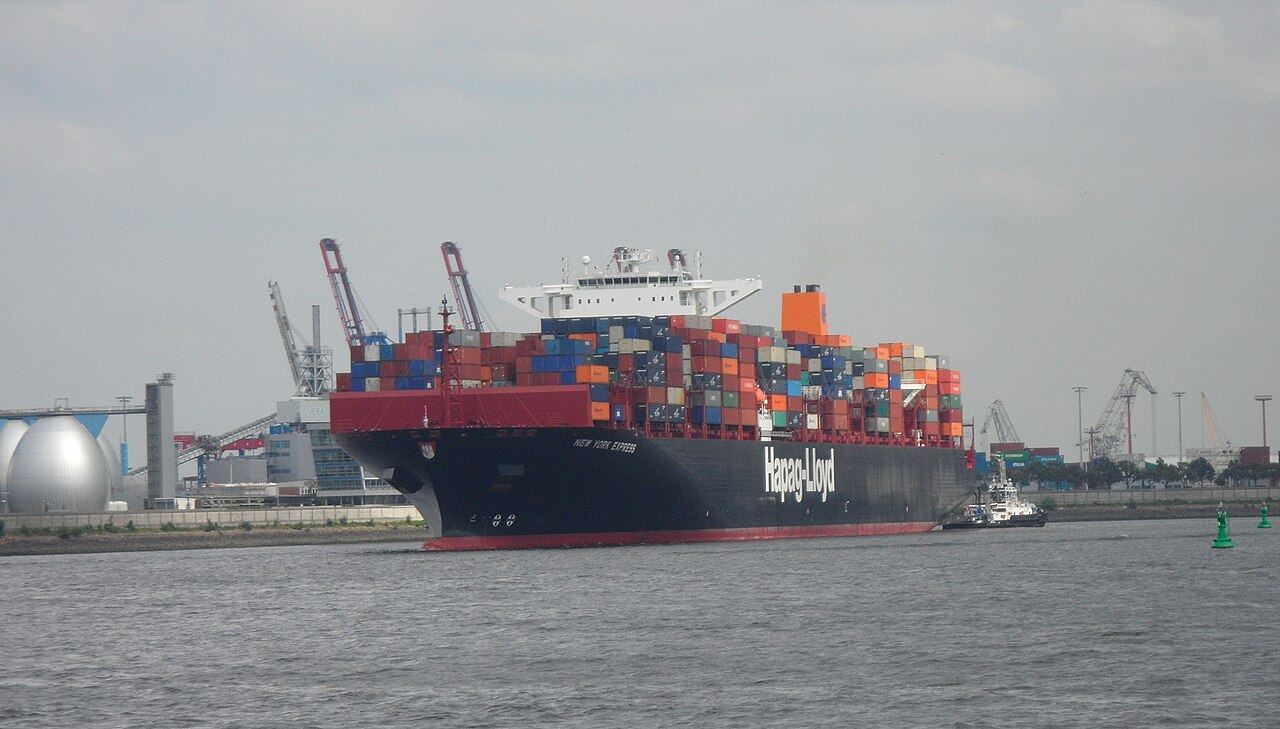
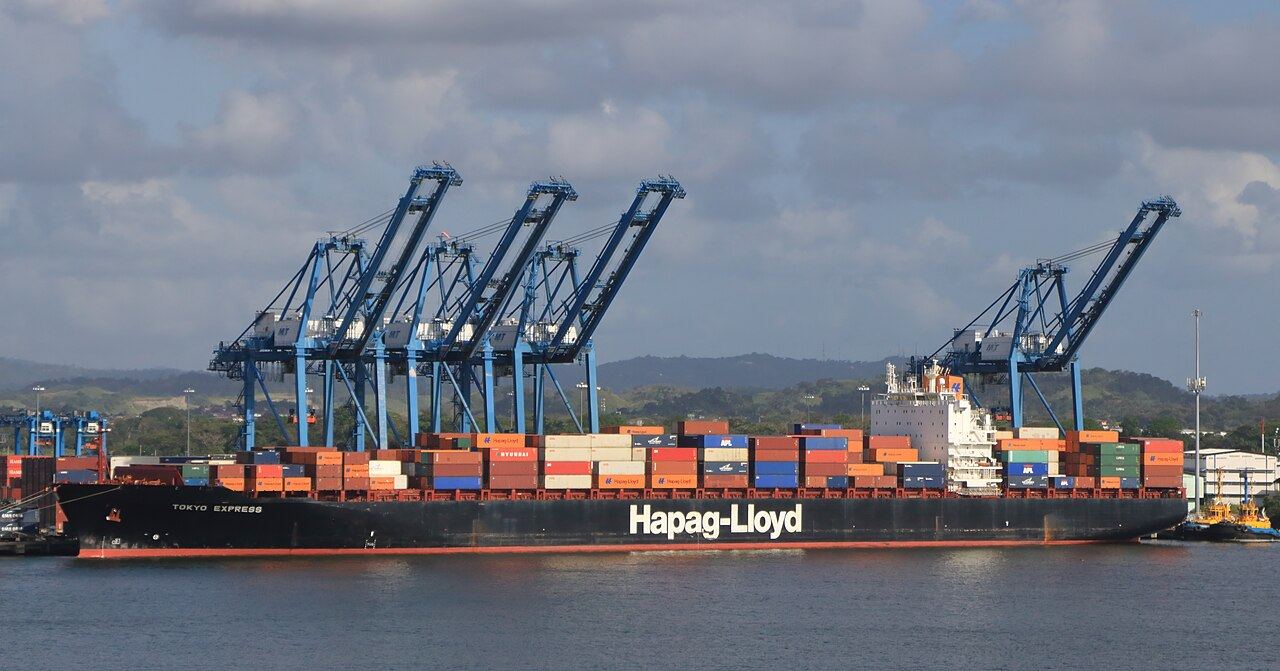
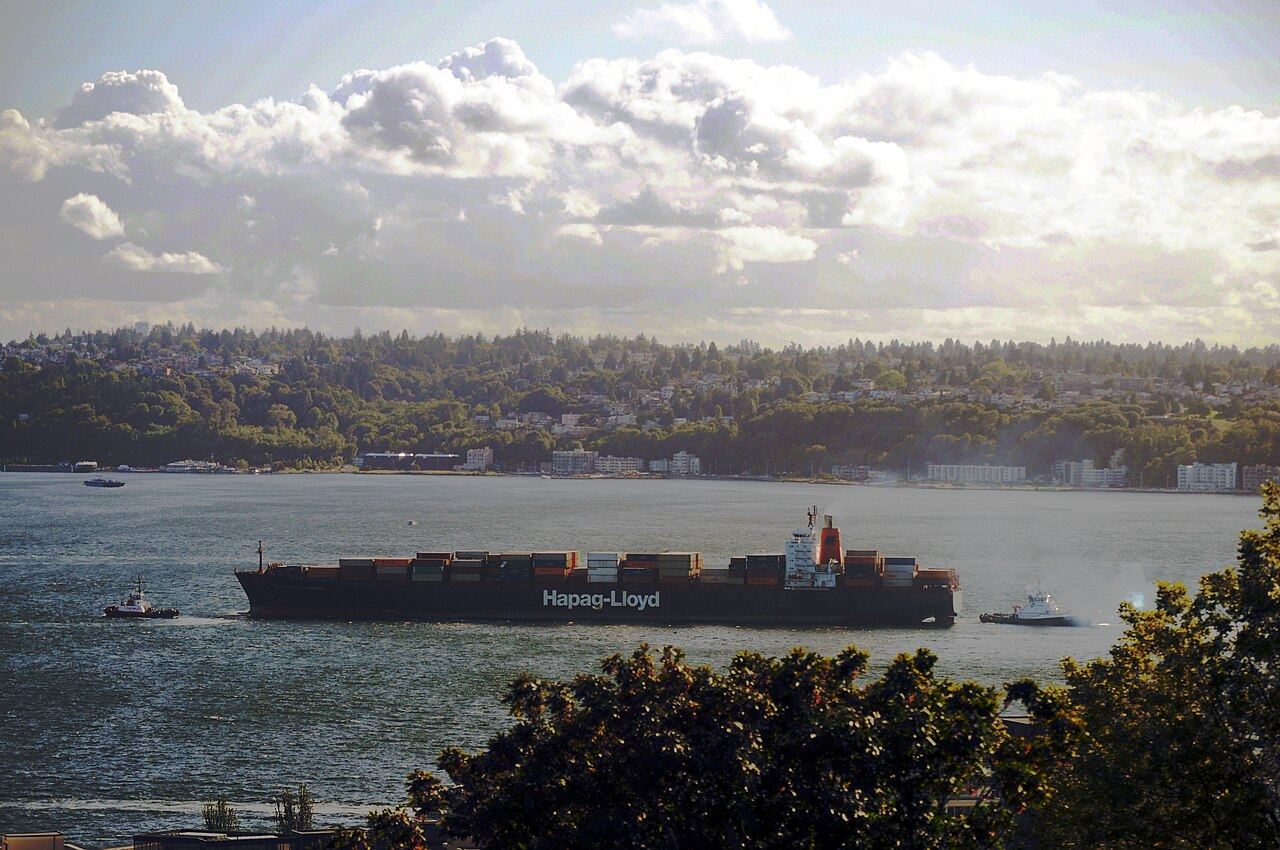
A German line from Hamburg, formed in 1970 by merging Hapag (1847) and Norddeutscher Lloyd (1857); now in the Gemini Cooperation with Maersk. Its roots reach back to 1847 and the great transatlantic emigrant ships out of Hamburg and Bremen.
Hapag-Lloyd was founded in 1970 and is headquartered in Hamburg, Germany. Its main trade areas: Global, Atlantic, Asia–Europe, Latin America and Middle East.
Hapag-Lloyd is in the Gemini Cooperation with Maersk, which launched in February 2025.
How to track a Hapag-Lloyd container
Every Hapag-Lloyd box carries an ISO 6346 number: four letters (the owner prefix), six digits and a check digit. Hapag-Lloyd prefixes include HLBU, HLCU, HLXU, AZLU, CASU, CMUU, CPSU and CSQU. Enter the container number, the bill of lading or the booking reference and Navo24 detects which one it is.
The tracker joins Hapag-Lloyd's own events (gate out, loaded, departed, transhipped, discharged) with the vessel's AIS position, so you see where the box is now, not where it was at the last port call.
Hapag-Lloyd schedules, rates and free time
Before booking, compare Hapag-Lloyd sailings by transit time and by real on-time reliability: SchedulesMCP measures actual against scheduled arrivals for every lane Hapag-Lloyd serves.
For the price, FreightRatesMCP shows market rates for 20GP, 40GP and 40HC on a port pair. After arrival, demurrage and detention start once Hapag-Lloyd's free time runs out; the free-time page lists Hapag-Lloyd's published allowances by port, and Navo24 counts the days left on every box.