

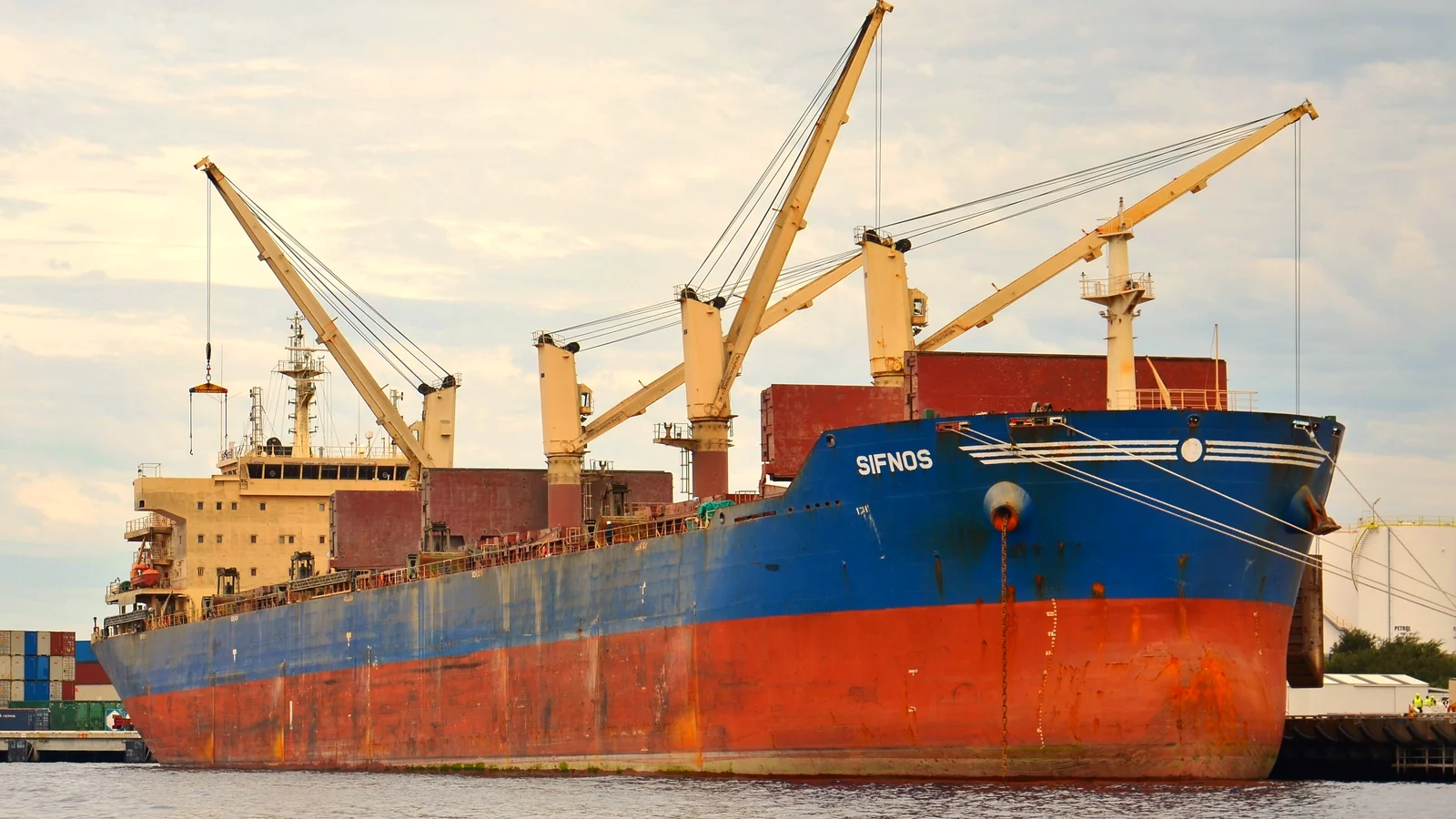
A ship floats as one object, yet her ownership is sliced into shares, and the number of slices depends on the country: 64 in the United Kingdom, under the UK registration regulations, and 24 carati in Italy, under article 258 of the Italian Navigation Code. A split like that can spare one person the full weight of the initial investment, or let several investors share running costs and profits. A vessel may therefore have a single shipowner holding every share, or a list of co-owners with different holdings.
In shipping circles the words “shipowner”, “disponent owner” and “carrier” are frequently treated as synonyms. Here is how each one works.
The shipowner
Crew, management, nav gear: all of that is on the shipowner. So is keeping her seaworthy. Some owners go further and trade the ship themselves. Then the bill of lading carries their own name.
The label covers several roles. One is the owner of the vessel, who pays for operating her and takes on the risk of cargo being lost or damaged on the way. Another is the charterer, who hires a ship for one voyage or a series of them at a fixed charter rate per tonne shipped. A third is the ship company, which owns and operates vessels on behalf of others, among them charterers and the cargo owners (shippers).
The disponent owner
The shipowner can let the ship to a charterer on a bareboat, voyage or time charter. A charterer who then trades the ship as if it were his own is the disponent owner.
Who supplies the crew depends on the contract. Bareboat? The charterer brings his own crew. Time charter: the owner’s crew still sails her, but the charterer picks the ports and the cargo. Voyage charter is simpler. Owner does everything, gets paid freight for one trip. He may sub-charter her again, often to a carrier that wants its own name on the bills. Which of those parties signs the bill decides who a cargo claim goes to, and Navo’s guide to the seven types of bills of lading shows how the document records it.
Take the bareboat case. Under a demise the charterer runs her fully, crew and trading included, as if she were his. Most voyage and time charters let the charterer pass the ship on. The clause may say relet, sub-let or subcharter. The first charterer in the chain is the head charterer. He acts as the actual owner would, and he may be called the disponent owner.
The carrier
The carrier takes on the carriage of cargo with a vessel he owns or has chartered, and the bills of lading are his own. This is the name shippers see on a booking and in vessel schedules, whoever owns the hull. Chartered ship? Then crew and repairs are usually still the owner’s problem.
Carriers come in many forms: airlines, buses, postal services, freight forwarders, railways and others.
Two main types exist. A common carrier takes cargo from anyone who pays the published rate. One sailing, dozens of shippers.
A contract carrier signs with one shipper or forwarder and works for them for months or years. The two parties agree on certain conditions, and the carrier works under them for as long as the shipping contract runs.
What to check on the bill of lading
Start with the name printed as carrier and with the signature box. A line such as “signed as agent for the carrier” means the signer is not the carrier, so look for the principal named next to it.
Then read the back of the form for an identity of carrier or demise clause. These clauses try to push liability from the charterer who issued the bill onto the registered owner, and courts do not always accept them.
See “freight payable as per charter party” on the front? Then charter terms may be read into your bill. Get those clauses in writing first.
Then the deadline. Hague-Visby gives you one year from delivery to sue the carrier (Article III, rule 6). Sue the wrong company and that year keeps running.
Frequently asked questions
What is a disponent owner?
A disponent owner controls a ship without holding title to it, usually as the head charterer under a bareboat, voyage or time charter. It can sub-charter the vessel on to others and acts towards them as if it were the owner.
Who provides the crew on a bareboat charter?
The charterer does. Under a bareboat (demise) charter the owner hands over the ship and the charterer crews and operates her. On voyage and time charters the shipowner keeps the crew.
Can one company be shipowner and carrier at once?
Yes. A company can own the vessel, run her navigation and issue bills of lading in its own name through its agency network, which makes it shipowner and carrier in one.