

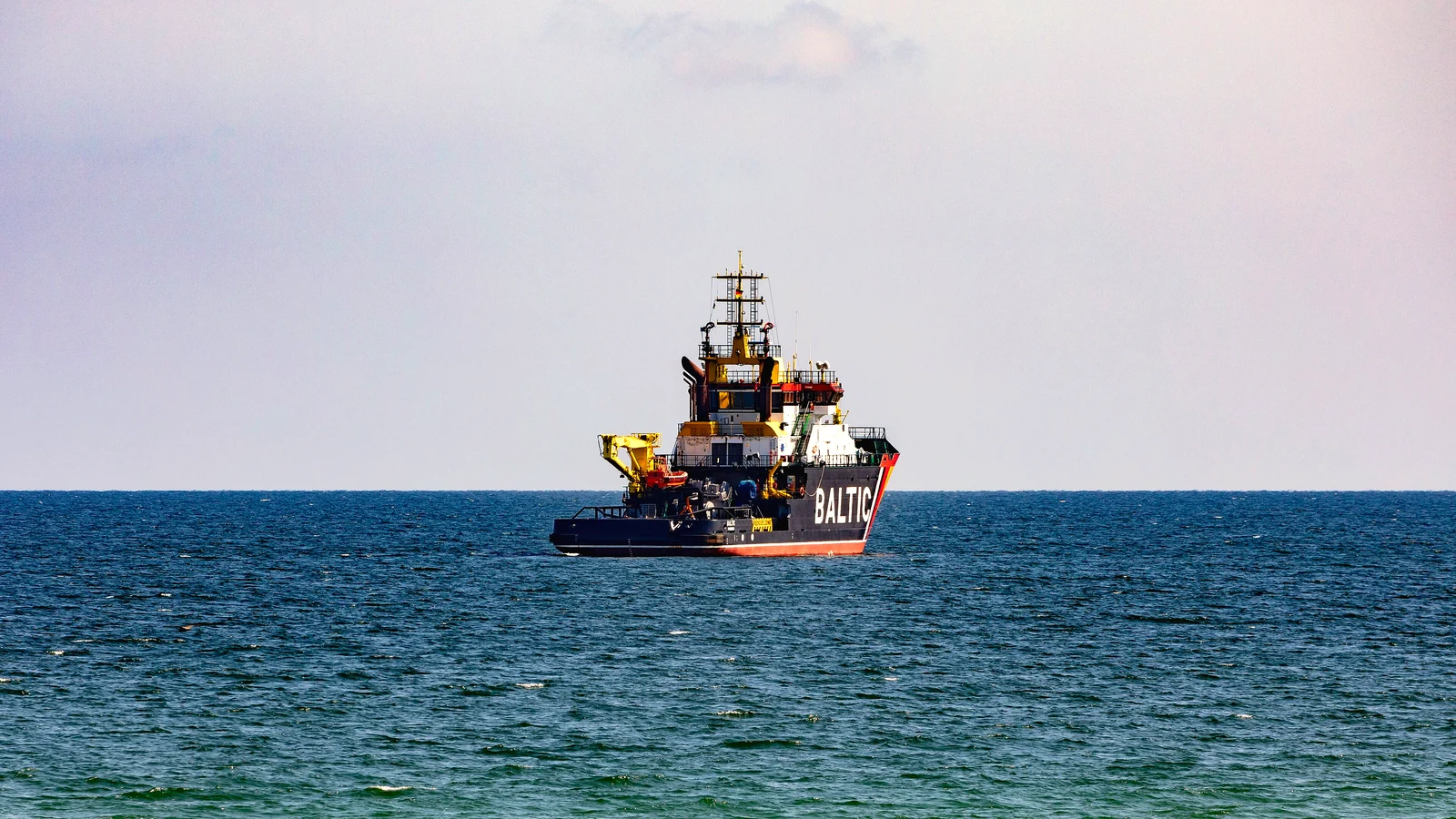
The claims consultancy W.E. Cox understands that salvors from SMIT have been engaged on the Espirito Santo Express under Lloyd’s Open Form terms, and tells cargo interests that they will need to provide salvage security before cargo is onshipped or released at destination. Espirito Santo Express general average, if declared, would share the cost the usual way. General average, which shares the cost of extraordinary sacrifices and expenses made to save the voyage among the owners of the property involved, had not been declared when Forwarder News published its forecast on 20 October.
Hapag-Lloyd’s 22 October notice mentions neither salvage nor general average. It says firefighting continues, that the line cannot yet determine the condition of individual shipments or containers, and that customers need take no specific action unless contacted directly. Seaspan, the ship’s manager, says smoke and then fire came from cargo in the bay forward of the accommodation block on 15 October, and that the cause will be investigated.
Security can be requested before the cause of the fire is known
The 2019 Yantian Express fire shows how the demands were sequenced. Hapag-Lloyd wrote in its declaration for that ship that GA security forms had to be provided before cargo could be delivered, and that the salvors’ demand would come on top once they set it. The ship caught fire on 3 January and the declaration is dated 25 January, 22 days later. Forwarders were told to provide a full breakdown of any LCL container as soon as possible.
General average has a narrow test. Under York-Antwerp Rule A.1, which the P&I insurer Gard quotes in its July 2026 guidance, an act exists when, and only when, an extraordinary sacrifice or expenditure is intentionally and reasonably made for the common safety. Salvage is on Gard’s list of expenditures that normally qualify, and contributions are based on the value of the property saved at the end of the voyage. Under Rule D issues of fault are not taken into account when security is collected, so under contracts that incorporate the York-Antwerp Rules a cargo owner can be asked to sign while the cause of the fire is still under investigation. The parties keep their legal remedies against whoever caused the casualty.
A bond for every cargo owner, a guarantee or a deposit behind it
The cargo owner signs a GA bond. If the cargo is insured, the insurer backs the bond with a guarantee, and if it is not, the owner pays a cash deposit.
The Yantian Express shows what that deposit can reach. The Maritime Executive reported in May 2019 that the salvage guarantee covered cargo owners’ liability up to 32.5 percent of CIF value, and that uninsured cargo also needed a cash deposit of 28 percent for the general average bond. The report put the total deposit for uninsured cargo at more than 60 percent of cargo value, though part might be refunded later.
By that May ONE was still telling customers that security had not been posted for about one third of the surviving containers.
What can be prepared before a request arrives
Nothing about the Espirito Santo Express general average is settled yet, so the forecasts below are forecasts. Forwarder News predicts that Seaspan will declare general average within three weeks of Seatrade Maritime’s 19 October report, that security on uninsured cargo will land in the same band as the Yantian Express, and that no cargo reaches Santos before January 2027. It also reports Hapag-Lloyd, ONE and MSC cargo aboard, and adds that owners pay in proportion to the value of their goods even if their own container came through untouched.
Hapag-Lloyd says it will send further information to affected customers as soon as verified updates arrive from Seaspan. APL Logistics tells customers to retain bills of lading and commercial documentation. Cargo owners can also track the container by bill of lading to confirm whether their box was on the Espirito Santo Express at all. Three documents are worth pulling: the bill of lading, the consolidator’s container breakdown for LCL cargo (Hapag-Lloyd asked forwarders for the same breakdown in 2019), and the cargo policy, because Gard says an insurer’s guarantee stands in for the cash deposit on insured cargo.